India is close enough to Sri Lanka that many families think of the trip as little more than a long bus ride. It is not quite that simple. A hospital stay in another country runs on paperwork, appointments and waiting rooms, and the first week sets the pace for everything after it. This is how that week usually goes, and what to have ready before you leave Colombo.
Before you fly
The visa. Sri Lanka is on India's e-Visa list, and patients can apply for an e-Medical visa on the official portal, indianvisaonline.gov.in. A family member travelling with you applies for an e-Medical Attendant visa. The portal currently allows up to two attendant visas for each patient. Apply at least four days before arrival. You will need a scan of your passport and a letter from the Indian hospital on its letterhead. We request this letter from the hospital you choose, check it against every passport, and help each attendant prepare their own application. Your passport should be valid for at least six months on the day you apply, with two blank pages.
Only use the government portal. Other websites look official and charge extra. The High Commission of India in Colombo does not process e-Visas, so questions go to the portal's helpline.
The documents. Put these in one folder, with copies in your phone:
- passports, e-Visa printouts and return tickets
- all medical reports, scan CDs and the latest prescriptions
- the hospital's invitation letter and your MediCurage coordinator's phone number
- a list of the medicines you take, with doses, and enough supply for the whole stay
Flights from Colombo
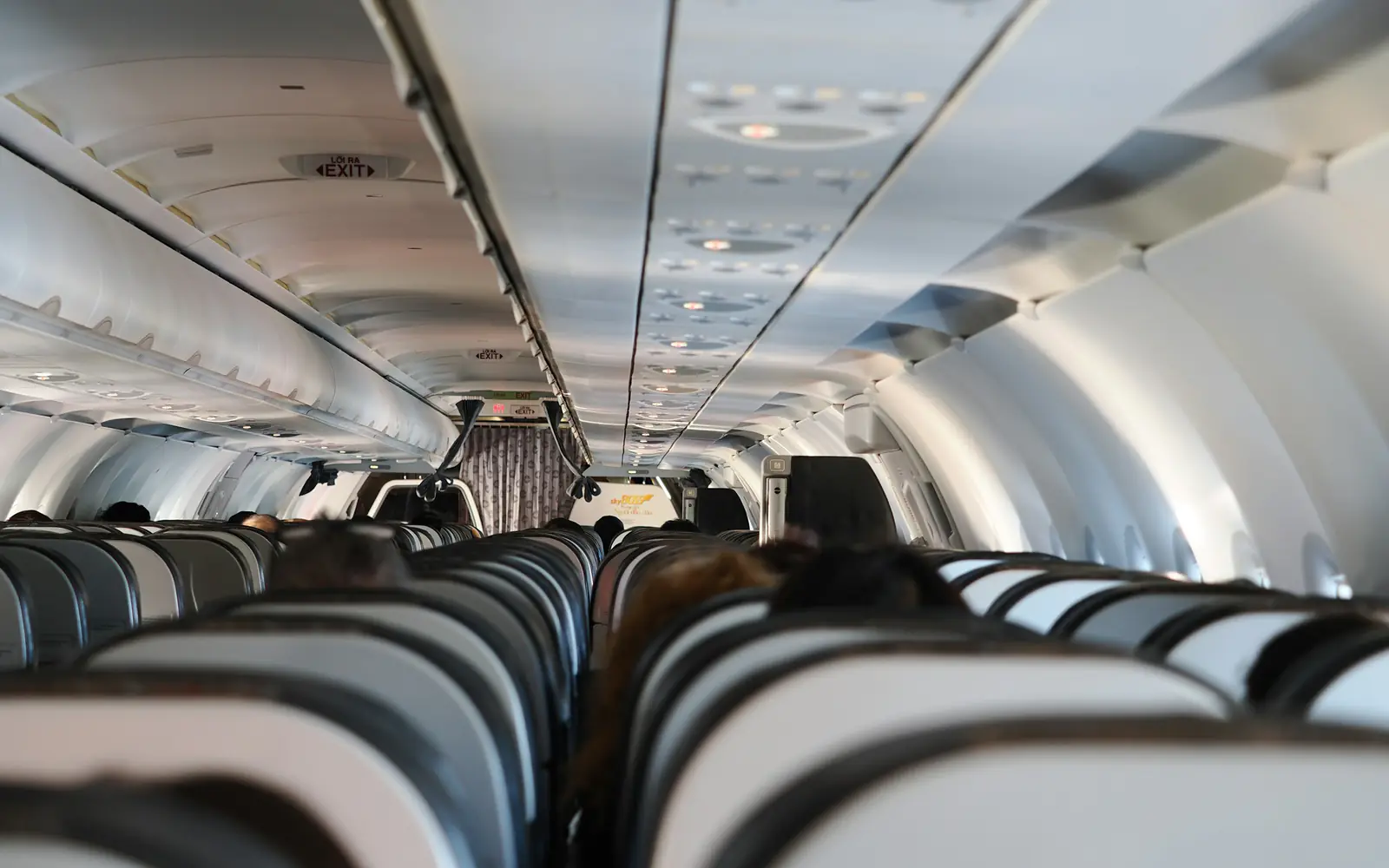
SriLankan Airlines flies from Colombo to several Indian cities, including Chennai, Hyderabad, Bengaluru, Mumbai, Delhi, Kochi, Thiruvananthapuram, Madurai and Tiruchirappalli. Indian airlines fly some of the same routes. Schedules change by season, so check the current timetable before you book. These are short flights, often between one and two hours.
The city you fly to depends on the hospital you choose after comparing quotes. We book flights that suit the patient. If someone needs a wheelchair at the airport, we ask the airline to arrange it when we book.
Day 1: arrival
Immigration officers take biometric details (fingerprints and a photo) on arrival with an e-Visa. Keep the hospital letter in your hand luggage in case you are asked why you are visiting.
A driver or representative we book meets you in the arrivals hall with a board showing the patient's name, helps with the bags and takes you to your room near the hospital. We send you their name and number before you fly. Use the rest of the day for rest, a meal, and a short walk to find the way to the hospital entrance; your coordinator can send you the route on WhatsApp. Nothing medical happens on day one unless your doctor has asked for it.
Day 2: registration at the hospital
Most large hospitals have an international patient desk, and its staff take you through registration. Your coordinator is on the phone if anything is unclear. Registration usually needs:
- the patient's passport and visa, and the attendant's
- passport size photographs
- your medical reports
You get a hospital ID number. Every test, bill and appointment is linked to it, so keep a photo of the card on your phone.
Many hospitals ask for an advance deposit at registration or before admission. Ask the hospital which payment methods it accepts before you travel. Your quote shows what the deposit covers.
Days 2 to 4: first consultation and tests
The first consultation is a long one. The specialist goes through your history, examines you and looks at the reports you brought. Expect some tests to be repeated. Hospitals often need fresh blood tests, an ECG (a recording of the heart's rhythm) and sometimes new scans, because results older than a few weeks may not show the current picture.
Tests usually take one or two days. Some need fasting from the night before, so ask about this at the end of each visit.
Your interpreter sits in on consultations if you are more comfortable in Sinhala or Tamil. Write your questions down the night before. Common ones: what the plan is, what it will cost compared with the quote, how long you will be in hospital, and when you can fly home.
Days 4 to 7: the plan is confirmed
Once results are in, the doctor confirms the treatment plan. If it differs from what was quoted, the hospital explains why and gives a revised estimate before anything is done. Admission dates are fixed in these days. For some treatments, surgery happens within the first week. For others, there is a wait for a scan slot or a second opinion inside the hospital.
Ask your coordinator or the hospital's international desk whether your visa needs registration with the Foreigners Regional Registration Office (FRRO) after arrival. The rule depends on the visa type and length, so ask early if your stay may run long.
Food, money and a phone
Food. In Chennai and the south, rice, dosa, sambar and coconut chutney will feel familiar. Hyderabad food is spicier and richer, with biryani everywhere, but plain rice, curd and vegetables are always available. Hospital canteens serve vegetarian meals. Patients on special diets should eat from the hospital kitchen.
Money. Bring a debit or credit card that works abroad, and ask your bank before you leave whether it does. Banks and authorised money changers in India exchange foreign currency. Carry enough for the first few days, and keep receipts for any currency you exchange. Check the customs rules for carrying cash before you travel.
Phone. Indian mobile operators sell prepaid SIM cards to foreign visitors. Shops usually ask for your passport, visa and a photograph. Keep WhatsApp active on your Sri Lankan number too, so family at home can reach you.
When the week is over
By the end of week one you should know the treatment plan, the admission date, and roughly how many more weeks you will be in India. From here your coordinator keeps the schedule by phone and WhatsApp, and the interpreter arranged at the hospital stays with you for consultations. Once you are home, we keep in touch for follow up with the hospital.
Before you book, check that the name on each ticket matches the passport letter for letter. The e-Visa, the hospital letter and the airline all work from that spelling, and a mismatch is far easier to fix in Colombo than at an airport in India.