Overview
Most radiation treatment uses X-rays, also called photons. Proton therapy uses protons instead, tiny particles taken from hydrogen atoms and sped up in a large machine called a cyclotron or synchrotron. Both kinds of beam damage cancer cells so they cannot divide. The difference lies in where the dose goes.
An X-ray beam deposits energy all along its path. It passes into the body, through the tumour and out the other side, so the tissue in front of the tumour and behind it both receive some dose. A proton beam behaves differently. It releases little energy on the way in, then gives up most of its energy at a depth the physicists choose, and stops. This sudden release at the end of the path is called the Bragg peak. Because the beam stops, almost no dose reaches the tissue beyond the tumour.
That matters when a tumour lies beside something that must be protected, such as the brainstem, the spinal cord, the optic nerves or a child's growing organs. It does not make protons stronger at killing cancer. It makes it possible, in the right case, to give the same dose with less radiation to the healthy tissue around it.
Proton therapy is a specialised branch of radiation therapy, and much of the routine is the same: careful planning, then short sessions on weekdays over several weeks. MediCurage is not involved in deciding whether protons suit you. That is the radiation oncologist's decision, made from your scans and reports.
Who needs it
Proton therapy is used mainly for:
- Children and teenagers with tumours that need radiation, such as some brain tumours, sarcomas (cancers of bone or soft tissue) and certain tumours near the spine. Children's tissues are still growing, so sparing them can lower the risk of long term effects on growth, hearing, hormones and learning, and of a second cancer later in life.
- Tumours at the base of the skull and along the spine, such as chordoma and chondrosarcoma, which sit very close to the brainstem and spinal cord.
- Some brain and head and neck tumours close to the eyes, optic nerves or salivary glands.
- Some eye tumours, such as uveal melanoma (a cancer inside the eye), at centres equipped for this.
- Re-irradiation, when an area has already had radiation and the surrounding tissue cannot safely take much more.
- Selected cases of liver, oesophageal and other cancers, depending on the centre.
Not every cancer benefits. For many common cancers, such as most prostate and breast cancers, modern X-ray techniques already give good results, and studies have not shown a clear advantage for protons. Protons are also more sensitive to changes inside the body, such as a filling bladder, weight loss or air in the bowel, which can affect where the dose lands. A good centre will tell you plainly when X-rays are the sensible choice.
Availability differs a great deal between the five countries. When this page was written in October 2026, we could confirm operating proton centres in India and Thailand. Turkey and Malaysia had announced their first centres, but we could not confirm that either was treating patients, and we found no operating centre in Mexico. Even where protons exist, there are very few centres. We check which hospitals in your chosen country can offer it before any quote is requested.
For a review, centres usually ask for the biopsy report, the operation notes if you have had surgery, recent MRI and CT scans with the images themselves, and a full record of any earlier radiation, including the dose and the area treated.
How it is done
Consultation and planning
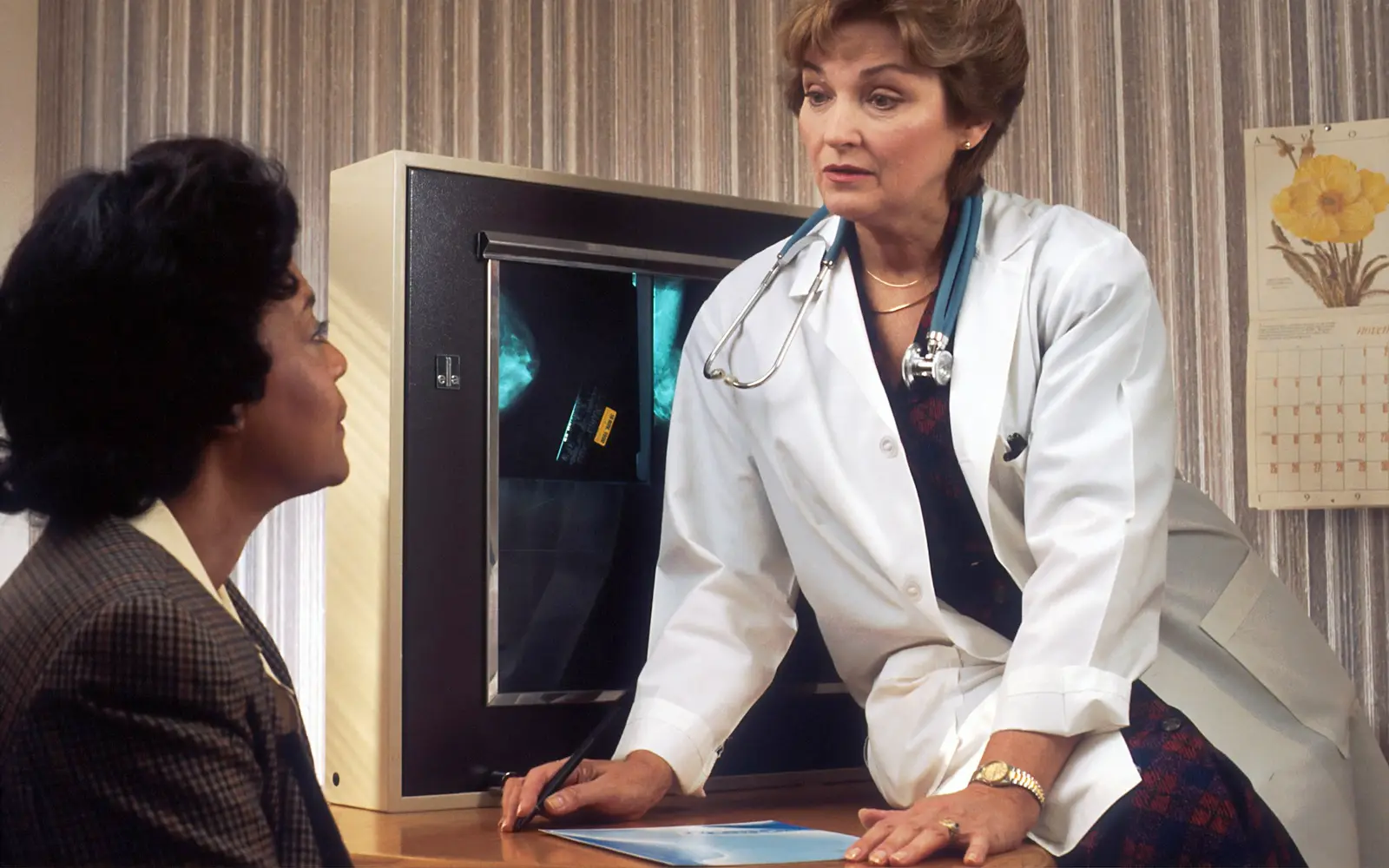
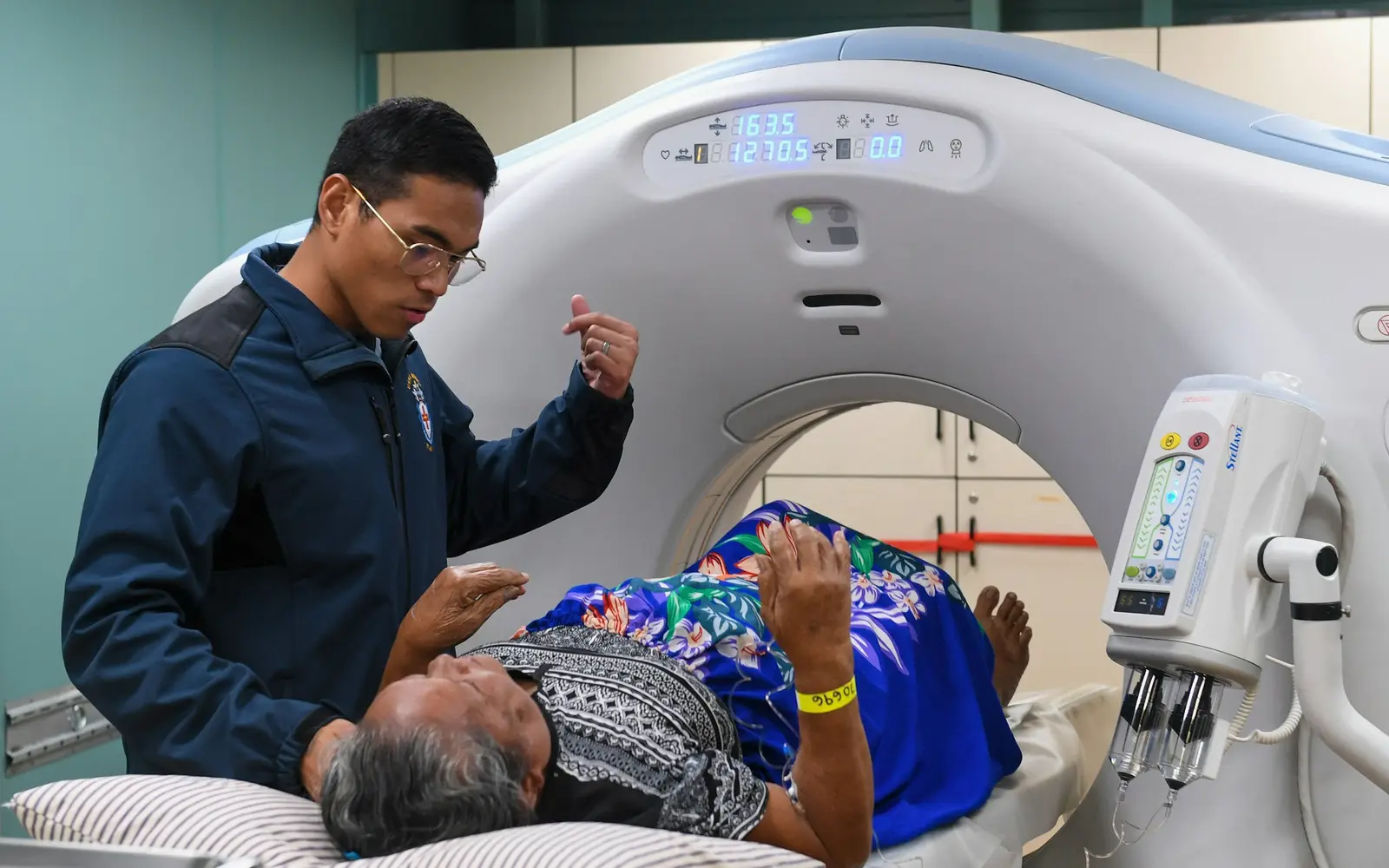
You meet the radiation oncologist, who reviews your case and confirms that protons are suitable. Next comes the planning CT scan, taken in the exact position you will lie in each day. Most patients also have an MRI, which is merged with the CT to show the tumour and nearby structures clearly. For head and neck, brain or skull base treatment, a plastic mesh mask is moulded to your face and fixed to the couch to keep your head still. For other areas a moulded cushion or body bag is used. This holding in place is called immobilisation.
The doctors outline the tumour and the organs to protect, and medical physicists design the beams and check the plan. Proton planning is detailed and often takes one to two weeks. For eye tumours, a short operation first places tiny metal markers on the surface of the eye to guide the beam.
A treatment day
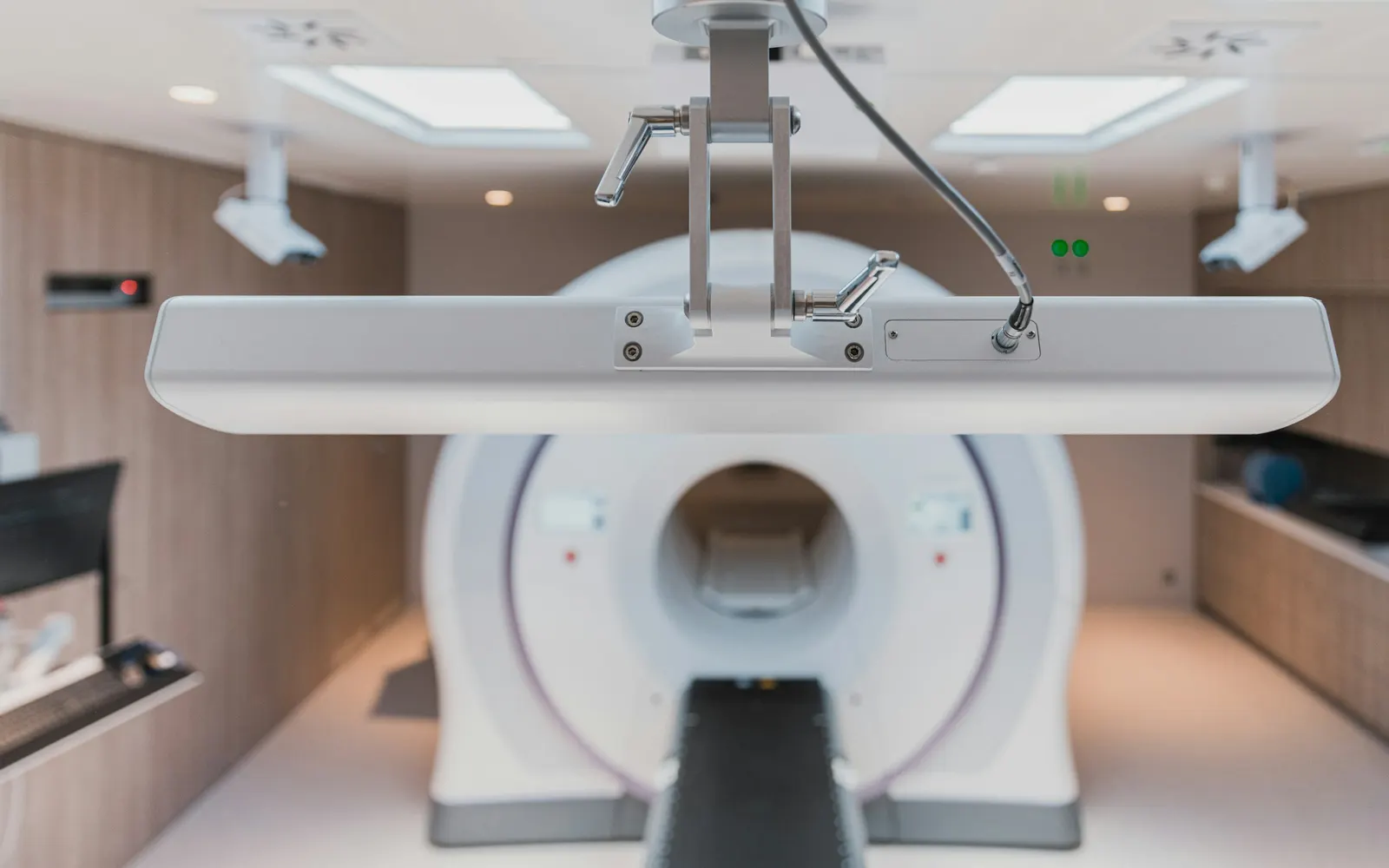
Sessions usually run Monday to Friday. You lie on the couch, the radiographers fit the mask or mould, and X-ray or CT images confirm your position to within millimetres. The machine head, called a gantry, may turn around you. Positioning takes most of the time. The beam itself runs for only a few minutes, and a visit often lasts 30 to 60 minutes. You feel nothing during treatment.
Many courses take five to seven weeks of weekday sessions. Some are shorter, and eye treatments are often given in about four or five sessions. The team may repeat a planning scan partway through to check whether the plan still fits your body.
Recovery and how long you stay
Treatment is almost always given as an outpatient, so you stay in nearby accommodation and travel in each weekday. Plan for about six to nine weeks in the country, covering consultation and planning, the full course and a review at the end. Children who need anaesthesia each morning will also have a short check by the anaesthetist on treatment days.
Side effects depend on the area treated and build up during the course. Tiredness is common. The skin over the treated area may become red or sore, and hair can thin where the beam passes. Head and neck treatment may cause a sore or dry mouth. Most early effects settle in the weeks after treatment ends.
Your coordinator arranges daily transport and makes sure an interpreter is present at the weekly review. For families with a child, we look for a stay with a kitchen and space to play, since many weeks in a hotel room are hard on everyone.
Questions to ask your doctor
- Why do you recommend protons for me rather than X-ray radiation?
- How much less dose will the nearby organs receive with protons in my case?
- How many sessions will I have, and how long will planning take?
- Will my child need anaesthesia for each session?
- Will you repeat the planning scan during treatment?
- Which side effects are likely, and which late effects should we watch for?
- Will you give me a written summary of the dose and the area treated?
Ask the centre to show you the dose plan on screen. Seeing where the dose falls, in colour, often answers more than any explanation.
Indicative cost by country
Ranges for a standard case at a private hospital. They help you plan; your chosen hospital's quote for your case is the figure to plan around.
- IndiaIndicative priceUS$28,500 to US$57,000Hospital stay1 to 2 daysTotal time in the country42 to 63 days
What the range usually covers: One full course of proton therapy as an outpatient, including planning scans, the treatment plan and weekly review. Anaesthesia for children, chemotherapy, flights and hotel are quoted separately.
- TurkeyIndicative pricePrice on requestHospital stay1 to 2 daysTotal time in the country42 to 63 days
What the range usually covers: One full course of proton therapy as an outpatient, including planning scans, the treatment plan and weekly review. Anaesthesia for children, chemotherapy, flights and hotel are quoted separately.
- ThailandIndicative pricePrice on requestHospital stay1 to 2 daysTotal time in the country42 to 63 days
What the range usually covers: One full course of proton therapy as an outpatient, including planning scans, the treatment plan and weekly review. Anaesthesia for children, chemotherapy, flights and hotel are quoted separately.
- MalaysiaIndicative pricePrice on requestHospital stay1 to 2 daysTotal time in the country42 to 63 days
What the range usually covers: One full course of proton therapy as an outpatient, including planning scans, the treatment plan and weekly review. Anaesthesia for children, chemotherapy, flights and hotel are quoted separately.
- MexicoIndicative pricePrice on requestHospital stay1 to 2 daysTotal time in the country42 to 63 days
What the range usually covers: One full course of proton therapy as an outpatient, including planning scans, the treatment plan and weekly review. Anaesthesia for children, chemotherapy, flights and hotel are quoted separately.
Indicative range. Your final cost depends on your reports and the hospital you choose.
Questions families ask
Is proton therapy better than ordinary radiation for every cancer?
No. Protons help most when a tumour sits right next to an organ that must be protected, or when the patient is a child. For many common cancers, studies have not shown that protons give better results than modern X-ray techniques such as IMRT, and research is still going on. The radiation oncologist decides which type suits your case.
My son is six. Will he need to be asleep for every session?
Young children often cannot lie perfectly still for the time needed, so many are given a short general anaesthetic or sedation for each session, usually in the morning. Older children often manage without it, sometimes after a few practice visits with the play specialist or nurse. The team will discuss this with you at the first consultation.
Which countries have proton therapy?
When this page was written in October 2026, we could confirm operating proton centres in India and Thailand. Turkey and Malaysia had announced their first centres, but we could not confirm that either was treating patients, and we found no operating centre in Mexico. This changes as new centres open, so we check again for each patient.
Will I feel the protons or be radioactive afterwards?
You feel nothing during the beam, and you are not radioactive afterwards, so you can hold children and be close to family. Side effects come from the treated area, as with any radiation, and usually build up gradually over the course.
Why is the waiting time for proton therapy sometimes long?
There are few proton centres, and each has only one or a few treatment rooms, so slots are limited. Planning also takes careful work by the physicists. Sending complete reports and scan images early helps the centre judge your case quickly and offer a start date if protons are suitable.
This page is general information. Your treating doctor decides your treatment plan.