
Overview
Leg pain that shoots down from the buttock, numbness in the foot, a back that will not let you stand straight for long. When an MRI shows that a disc or a narrowed canal is pressing on a nerve, and months of tablets and physiotherapy have not helped, a surgeon may suggest an operation to take that pressure off. Minimally invasive spine surgery (often shortened to MISS) is a way of doing that operation through much smaller cuts than traditional open surgery.
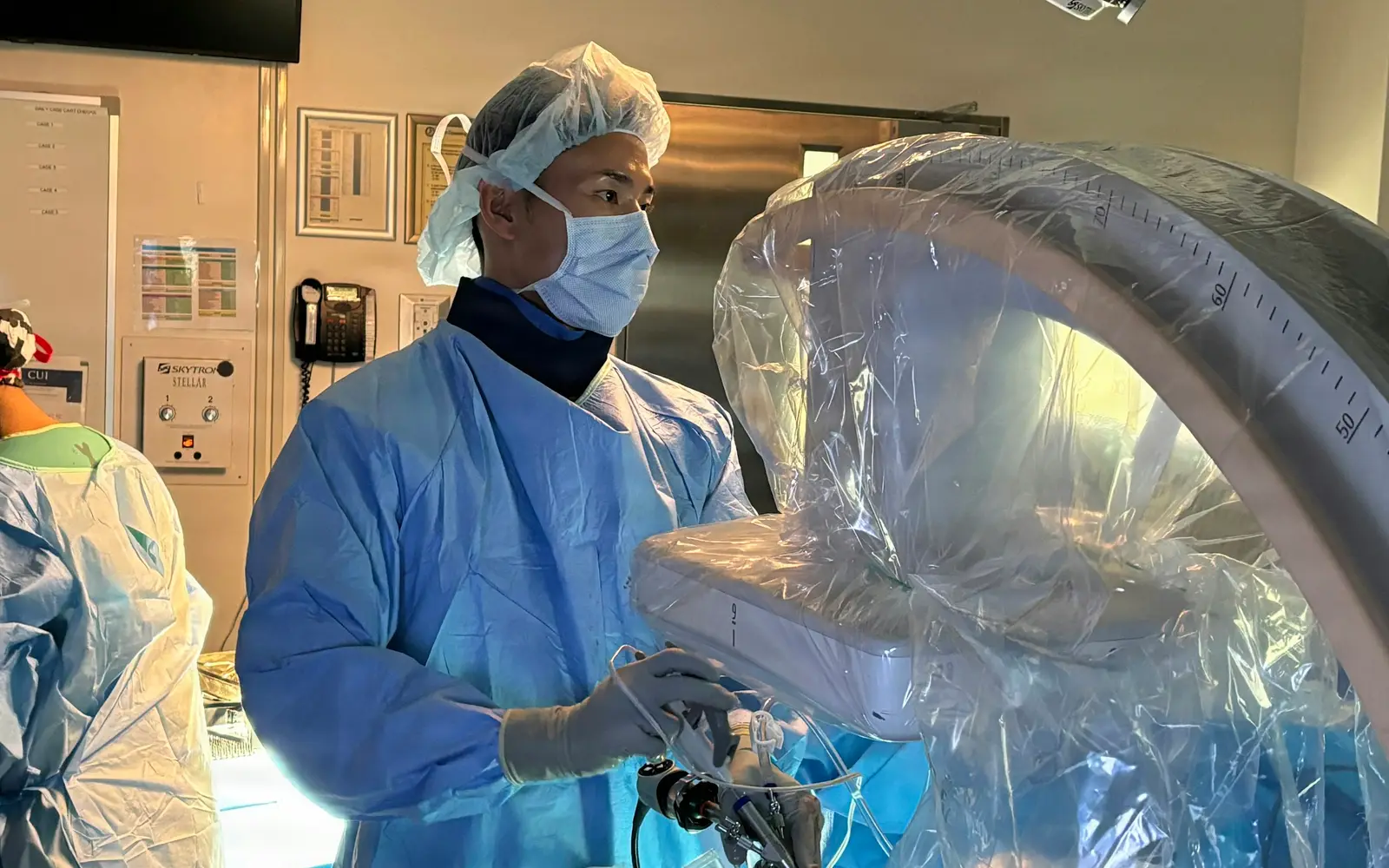
Instead of opening a long incision and stripping the back muscles away from the bone, the surgeon works through a narrow tube or an endoscope (a thin camera with a light) placed through a cut that is often under 2 cm. The muscles are gently pushed apart rather than cut. The aim of the operation is the same as open surgery. The route in is smaller, which usually means less blood loss, less pain from the wound and a shorter hospital stay.
MISS is a family of techniques, and the one offered to you depends on what your scans show. Hospitals differ in which of these techniques they offer, which is one more reason to see quotes from several partner hospitals side by side before you choose. You can name a preferred country on the quote form, or let hospitals in several countries quote.
Who needs it
Surgery is usually considered when nerve pain has lasted six weeks or more despite other treatment, or sooner if there is weakness that is getting worse. The common reasons are:
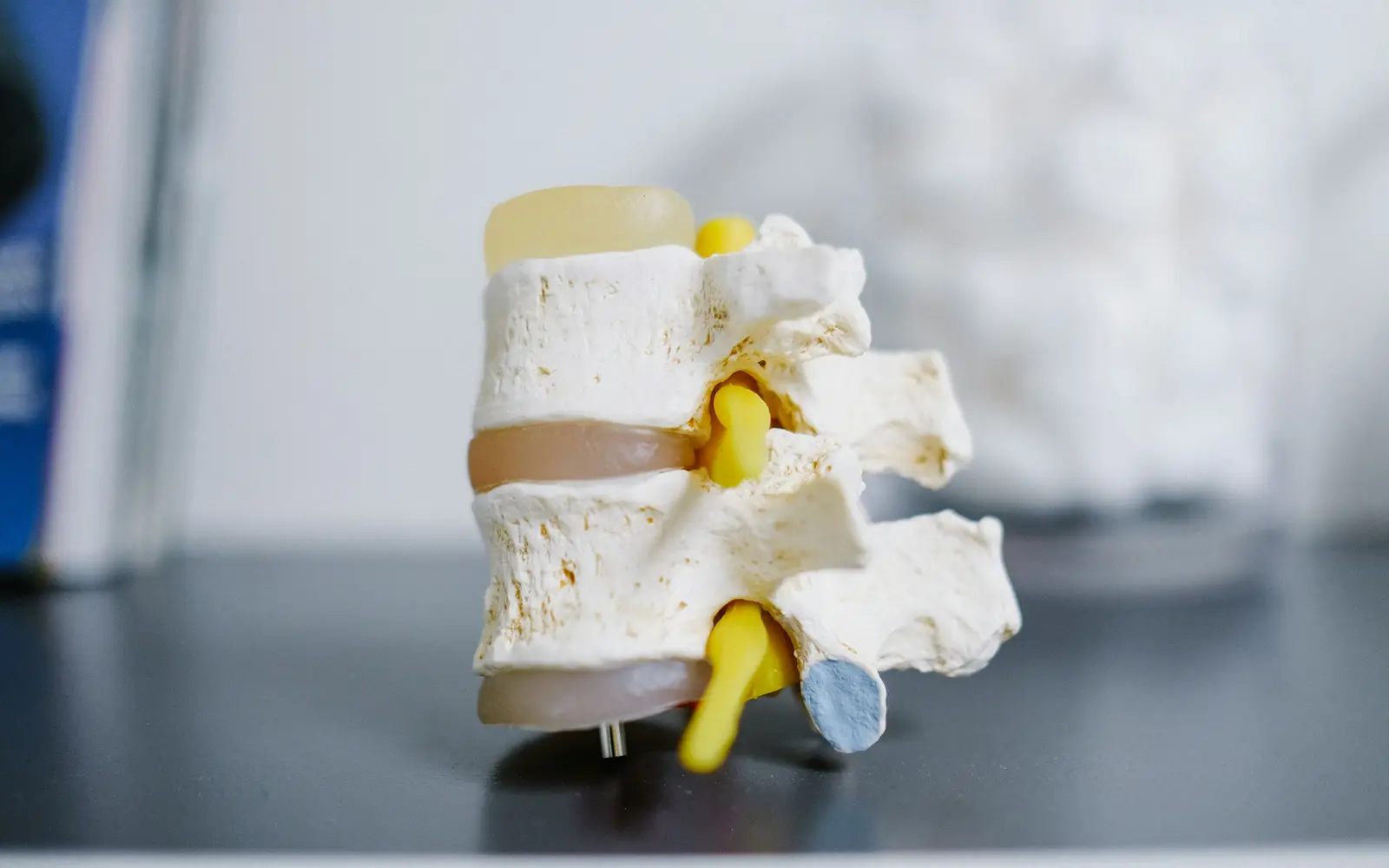
- Herniated disc (also called a slipped or prolapsed disc): the soft centre of a disc pushes out and presses on a nerve root. In the lower back this causes sciatica, a sharp pain running down the leg.
- Lumbar spinal stenosis: narrowing of the canal that carries the nerves, often from thickened ligaments and arthritis. People with stenosis typically get leg pain or heaviness after walking a short distance, which eases when they sit or bend forward.
- Low grade spondylolisthesis: a small forward slip of one vertebra over another, which may need a minimally invasive fusion.
- Disc problems in the neck pressing on a nerve and causing arm pain, in selected cases.
One situation is an emergency and should not wait for travel plans. Loss of control of the bladder or bowel, or numbness around the private parts, can mean cauda equina syndrome (severe pressure on the bundle of nerves at the bottom of the spine). This needs urgent surgery wherever you are.
Reports to send
- MRI of the lumbar or cervical spine with the report. The surgeon looks at which level is affected, how large the herniation is and which nerve it touches. A finding such as "L5 S1 disc extrusion compressing the left S1 nerve root" tells them a lot, but they will still want the images themselves, not only the report.
- Standing X-rays, with bending views if your doctor can arrange them, to check for slip or instability.
- Nerve conduction studies or EMG if you have numbness or weakness.
- A short history: where the pain goes, how long you have had it, what treatment you have tried, and any earlier spine surgery.
How it is done
The specific operation depends on the problem.
Microdiscectomy or endoscopic discectomy. For a herniated disc, the surgeon removes only the fragment of disc pressing on the nerve, leaving the healthy disc in place. This is done through a tube with an operating microscope, or with an endoscope through an even smaller opening. It usually takes about one to two hours.
Minimally invasive decompression. For stenosis, the surgeon trims thickened ligament and a little bone to widen the canal. Often this is done from one side but reaches both sides of the canal, so less bone is removed than in a full laminectomy (removal of the bony roof over the nerves).
Minimally invasive fusion. For a slipped or unstable vertebra, the surgeon places a cage with bone graft into the disc space through a tube (often called MIS TLIF) and inserts screws through small skin cuts, guided by live X-ray or navigation (a computer system that tracks the instruments on a 3D image of your spine).
Most of these operations are done under general anaesthesia. Some endoscopic procedures can be done with spinal anaesthesia and sedation instead. Neuromonitoring, where electrodes track the signals in your nerves during surgery, may be used for fusions and more complex cases.
Recovery and how long you stay
Many people notice that the leg pain is better as soon as they wake up, though some numbness or tingling can take weeks or months to settle. Back pain from the wound is usually mild and controlled with tablets.
After a discectomy or decompression, you will usually be walking within hours, and most patients go home after 1 or 2 nights. A minimally invasive fusion usually means 2 to 3 nights in hospital, with walking on the first day.
For the first few weeks, spine surgeons usually advise:
- walking every day and building up the distance slowly
- avoiding heavy lifting, bending to the floor and twisting
- getting up and moving every 30 to 45 minutes rather than sitting for long stretches
- keeping the wound dry until the team says it can get wet
Your own surgeon will give you the exact limits for the operation you had, and they can differ between a discectomy and a fusion.
Plan for about 10 to 14 days in total in the country where you are treated for a discectomy or decompression, allowing for tests before surgery and a wound check before you fly. The flight itself usually comes 7 to 10 days after the operation. A minimally invasive fusion may need a few extra days. Your surgeon will clear you for the flight at a review appointment.
MediCurage handles the arrangements and the hospital handles the surgery. For the flight home we can ask the airline for an aisle seat, so that getting up to walk during the flight is easy rather than a climb over other passengers.
Questions to ask your surgeon
- Which operation do you recommend for my scans: discectomy, decompression or fusion?
- Will you use a tube, an endoscope or open surgery, and why that choice for me?
- Is there a chance you will need to switch to open surgery during the operation?
- What is the chance of the disc herniating again, and what can I do to lower it?
- How soon will the leg pain and the numbness improve?
- How long should I avoid lifting, driving and work?
- When is it safe for me to fly, and what should I do during the flight?
- Which follow up checks do you want, and can they be done in my home country?
Before you fly home, ask what the team wants you to do if sharp leg pain comes back after a good start. That can be a sign of a new herniation at the same level, and knowing which scan they will want, and who to send it to, saves days if it happens at home. Your coordinator can pass the scan and your message to the treating team.
Indicative cost by country
Ranges for a standard case at a private hospital. They help you plan; your chosen hospital's quote for your case is the figure to plan around.
- IndiaIndicative priceUS$4,000 to US$7,500Hospital stay1 to 3 daysTotal time in the country10 to 14 days
What the range usually covers: A one-level keyhole or endoscopic procedure such as discectomy or decompression, surgeon and anaesthesia fees, and a short hospital stay. Excludes flights and hotel.
- TurkeyIndicative priceUS$4,000 to US$8,000Hospital stay1 to 3 daysTotal time in the country10 to 14 days
What the range usually covers: A one-level keyhole or endoscopic procedure such as discectomy or decompression, surgeon and anaesthesia fees, and a short hospital stay. Excludes flights and hotel.
- ThailandIndicative priceUS$11,000 to US$15,000Hospital stay1 to 3 daysTotal time in the country10 to 14 days
What the range usually covers: A one-level keyhole or endoscopic procedure such as discectomy or decompression, surgeon and anaesthesia fees, and a short hospital stay. Excludes flights and hotel.
- MalaysiaIndicative priceUS$5,500 to US$9,000Hospital stay1 to 3 daysTotal time in the country10 to 14 days
What the range usually covers: A one-level keyhole or endoscopic procedure such as discectomy or decompression, surgeon and anaesthesia fees, and a short hospital stay. Excludes flights and hotel.
- MexicoIndicative priceUS$7,000 to US$15,000Hospital stay1 to 3 daysTotal time in the country10 to 14 days
What the range usually covers: A one-level keyhole or endoscopic procedure such as discectomy or decompression, surgeon and anaesthesia fees, and a short hospital stay. Excludes flights and hotel.
Indicative range. Your final cost depends on your reports and the hospital you choose.
Questions families ask
Is minimally invasive spine surgery suitable for every back problem?
No. It works well for many disc herniations, some types of spinal stenosis and some single level fusions. Large deformities, several levels of disease or very unstable spines may need open surgery. The surgeon decides after studying your MRI and X-rays.
How soon will I walk after keyhole spine surgery?
Many patients walk a few hours after a discectomy and on the first day after a minimally invasive fusion. A physiotherapist helps with the first steps and shows you safe ways to sit and get out of bed.
Can the disc slip out again after surgery?
Yes, a disc can herniate again at the same level, most often in the first months. Following the advice on lifting and bending during early recovery matters for this reason. Ask your surgeon what signs to watch for.
When can I fly home after minimally invasive spine surgery?
After a discectomy or decompression, many surgeons are comfortable with a long flight once the wound has been checked, usually 7 to 10 days after surgery. With the tests before the operation, that makes a total stay of about 10 to 14 days in the country where you are treated. A minimally invasive fusion can need a little longer, and your surgeon confirms the date at your review.
Do I still need an MRI if I had one last year?
Send the scan you have, as it helps the surgeon give a first opinion. If your symptoms have changed since then, the hospital may ask for a fresh MRI before surgery, which can be done when you arrive.
This page is general information. Your treating doctor decides your treatment plan.