
Overview
A brain aneurysm is a weak spot in the wall of an artery in the brain that bulges outwards, often shaped like a small berry on a stem. Most are found by chance, on a scan done for headaches, dizziness or after a minor injury, and most never cause trouble. The concern is that some can burst and bleed around the brain, which is a medical emergency.
This page is about planned treatment of an unruptured aneurysm, meaning one that has not bled. That is something you can take time to think about, get opinions on, and travel for.
A ruptured aneurysm is different. It is an emergency, and it is not something to travel abroad for. The typical sign is a sudden, very severe headache, often described as the worst headache of a person's life, sometimes with vomiting, a stiff neck, loss of consciousness or a seizure. Anyone with these symptoms needs the nearest emergency department straight away.
Treatment aims to seal the aneurysm off from the blood flowing through the artery, so it cannot grow or bleed. There are two main ways to do this: from inside the artery (coiling and related methods) or from outside it (clipping).
Who needs it
Not every aneurysm is treated. Many small ones are watched with a scan every year or two, while the patient stops smoking and keeps blood pressure under control. Specialists weigh the risk of the aneurysm bleeding against the risk of treating it. Factors that usually push towards treatment include:
- A larger size, or an aneurysm that has grown on repeat scans.
- An irregular shape, such as a small extra bulge on the aneurysm.
- A position where bleeding is thought to be more likely, such as some arteries at the back of the brain.
- Symptoms caused by the aneurysm pressing on a nerve, such as a drooping eyelid or double vision.
- A previous bleed from another aneurysm, or close family members who have had one.
- Younger age, since there are more years ahead in which a bleed could happen.
Some teams use scoring tools that combine these factors, but the final decision is made by a specialist who looks at your scans and your general health. Ideally, an interventional neuroradiologist (a doctor who treats blood vessels from inside using catheters) and a neurosurgeon review your case together, so both options are considered.
Scans the specialist will want
A CT angiogram or MR angiogram shows the blood vessels clearly and is usually enough for a first opinion. Before treatment, most teams do a catheter angiogram (also called DSA, digital subtraction angiography). A thin tube is passed from an artery in the groin or wrist up to the neck, dye is injected, and X-ray images show the aneurysm in fine detail, including the width of its neck, which matters a great deal for choosing a method.
How it is done
Coiling and other endovascular methods
Endovascular means working from inside the blood vessel. Under general anaesthesia, the doctor passes a catheter from the groin or wrist to the aneurysm, watching on X-ray screens. Very soft, thin platinum coils are fed into the aneurysm, where they curl up and fill it. Blood then clots around them and the aneurysm is sealed off. There is no cut in the scalp.
If the aneurysm has a wide neck, a small stent or balloon may hold the coils in place. Another option is a flow diverter, a fine mesh tube placed in the artery across the aneurysm's opening. It redirects blood past the aneurysm, which then slowly clots and shrinks over months. Stents and flow diverters require antiplatelet medicines before and after the procedure. Newer devices that sit inside the aneurysm are used for some shapes.
Clipping
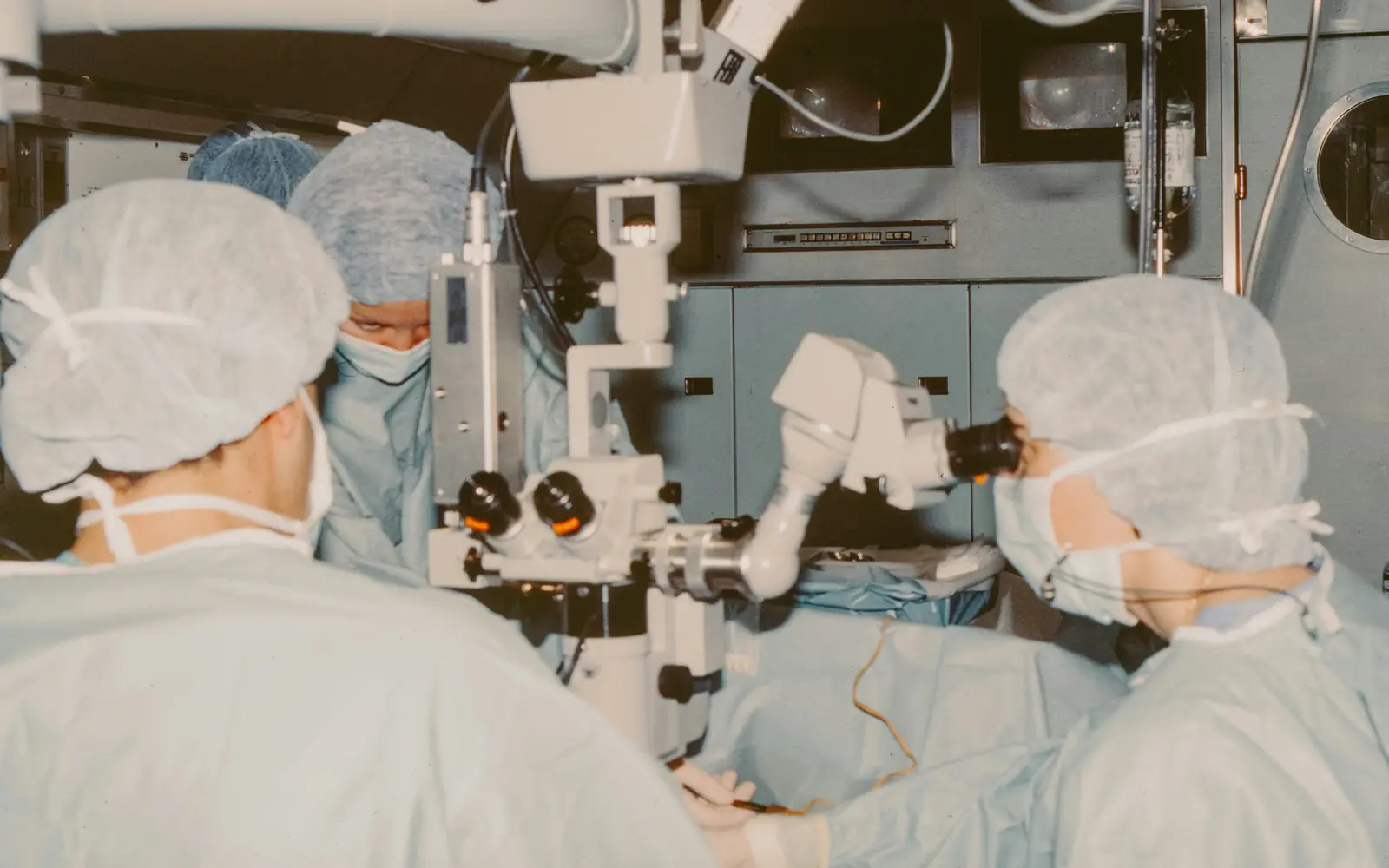
Clipping is open surgery through a craniotomy (temporarily removing a piece of skull). Using a microscope, the neurosurgeon finds the aneurysm and places a small titanium clip across its neck, closing it off permanently. The bone is then put back. Clipping tends to be more durable than coiling, and it suits some aneurysms whose shape makes coiling difficult.
Recovery and how long you stay
After coiling or a flow diverter, most people stay 1 to 3 nights in hospital and can walk the next day. The groin or wrist may be bruised. After clipping, the stay is usually 4 to 7 days, with tiredness and headache for a few weeks.
In total, plan for about 10 to 14 days in the country where you are treated after an endovascular procedure, and about 2 to 3 weeks after clipping, to allow for the angiogram, the procedure, a check-up and clearance to fly. Your doctor will tell you when you can fly and return to work.
Follow up imaging matters, particularly after coiling, because coils can settle and a small part of the aneurysm can refill. Doctors usually ask for a scan some months later and then at intervals. Many of these scans can be done at home and sent to the treating team. Before you leave, we ask the hospital to list the device and your medicines in the discharge summary, in a language your doctors at home can read, so they know what was done.
Questions to ask your surgeon
- Why do you recommend treating my aneurysm rather than watching it?
- Do you suggest coiling, a flow diverter or clipping, and why for my aneurysm?
- Will I need antiplatelet medicines, and for how long?
- What are the main risks of the procedure in my case?
- How likely is it that I will need a second procedure later?
- What follow up scans do you want, and when?
- When can I fly home, and what should I avoid in the first weeks?
Ask too what you should do about any other aneurysms, if your scan shows more than one. Some people have two or three, and the plan for each can be different.
Indicative cost by country
Ranges for a standard case at a private hospital. They help you plan; your chosen hospital's quote for your case is the figure to plan around.
- IndiaIndicative priceUS$5,000 to US$12,000Hospital stay2 to 7 daysTotal time in the country10 to 21 days
What the range usually covers: Treatment of one aneurysm by endovascular coiling or open clipping, with angiography, devices, specialist fees and ICU and ward stay. Flow diverters and multiple aneurysms cost more. Excludes flights and hotel.
- TurkeyIndicative priceUS$13,000 to US$25,000Hospital stay2 to 7 daysTotal time in the country10 to 21 days
What the range usually covers: Treatment of one aneurysm by endovascular coiling or open clipping, with angiography, devices, specialist fees and ICU and ward stay. Flow diverters and multiple aneurysms cost more. Excludes flights and hotel.
- ThailandIndicative pricePrice on requestHospital stay2 to 7 daysTotal time in the country10 to 21 days
What the range usually covers: Treatment of one aneurysm by endovascular coiling or open clipping, with angiography, devices, specialist fees and ICU and ward stay. Flow diverters and multiple aneurysms cost more. Excludes flights and hotel.
- MalaysiaIndicative pricePrice on requestHospital stay2 to 7 daysTotal time in the country10 to 21 days
What the range usually covers: Treatment of one aneurysm by endovascular coiling or open clipping, with angiography, devices, specialist fees and ICU and ward stay. Flow diverters and multiple aneurysms cost more. Excludes flights and hotel.
- MexicoIndicative pricePrice on requestHospital stay2 to 7 daysTotal time in the country10 to 21 days
What the range usually covers: Treatment of one aneurysm by endovascular coiling or open clipping, with angiography, devices, specialist fees and ICU and ward stay. Flow diverters and multiple aneurysms cost more. Excludes flights and hotel.
Indicative range. Your final cost depends on your reports and the hospital you choose.
Questions families ask
Does every brain aneurysm need treatment?
No. Many small aneurysms are watched with repeat scans, and blood pressure and smoking are brought under control. Treatment is considered when the size, shape, position or growth of the aneurysm suggests the risk of bleeding is higher than the risk of the procedure. Your specialist weighs this for your case.
Which is safer, coiling or clipping?
Neither is safer for everyone. Coiling avoids opening the skull and usually means a shorter hospital stay, but the aneurysm is more likely to need checks and sometimes further treatment later. Clipping is a bigger operation but tends to be more durable. The shape and position of your aneurysm often decide which suits you.
Which reports should I send for an aneurysm treatment quote?
Send the scan that found the aneurysm, ideally a CT angiogram or MR angiogram, on a disc or download link with the radiologist's report. If you have had a catheter angiogram, send those images too. Add your blood pressure history, current medicines and any family history of aneurysms or bleeding in the brain.
Will I need to take blood thinners after treatment?
If a stent or flow diverter is used, you will usually take two antiplatelet medicines (which stop blood cells sticking together) for several months, and one for longer. Simple coiling or clipping often needs none. Your doctor sets the medicines and how long to take them.
What if I get a sudden severe headache before my treatment date?
A sudden, severe headache, especially with vomiting, a stiff neck, confusion or collapse, can mean the aneurysm is bleeding. Call your local emergency number or go to the nearest emergency department at once. Do not wait, and do not travel for treatment.
This page is general information. Your treating doctor decides your treatment plan.