Overview
Pancreatic cancer is a hard diagnosis, and families usually want to know two things straight away: can it be removed, and how much time is there to decide. The honest answer to the first depends on a detailed CT scan and the judgement of an experienced pancreatic team. The answer to the second is usually a week or two, not months. Pancreatic cancer tends to grow quickly, so the aim is to start treatment soon while giving the family enough information to choose.
The pancreas is a gland about the length of a hand that sits behind the stomach. It makes digestive enzymes and hormones such as insulin. Most pancreatic cancers are adenocarcinomas, which start in the cells lining the ducts that carry enzymes. Neuroendocrine tumours of the pancreas are a separate, less common group that usually behave quite differently, and the plans described here do not apply to them.
Only a minority of people are suitable for surgery when the cancer is first found, because it often causes few symptoms early on. For them, an operation combined with chemotherapy gives the most realistic chance of long-term control. For everyone else, chemotherapy and good symptom care can still make a real difference to how a person feels and lives.
Who needs it
Treatment depends on the type of tumour, where it sits in the pancreas, how it relates to nearby blood vessels, whether it has spread and how strong you are.
Tests before a decision
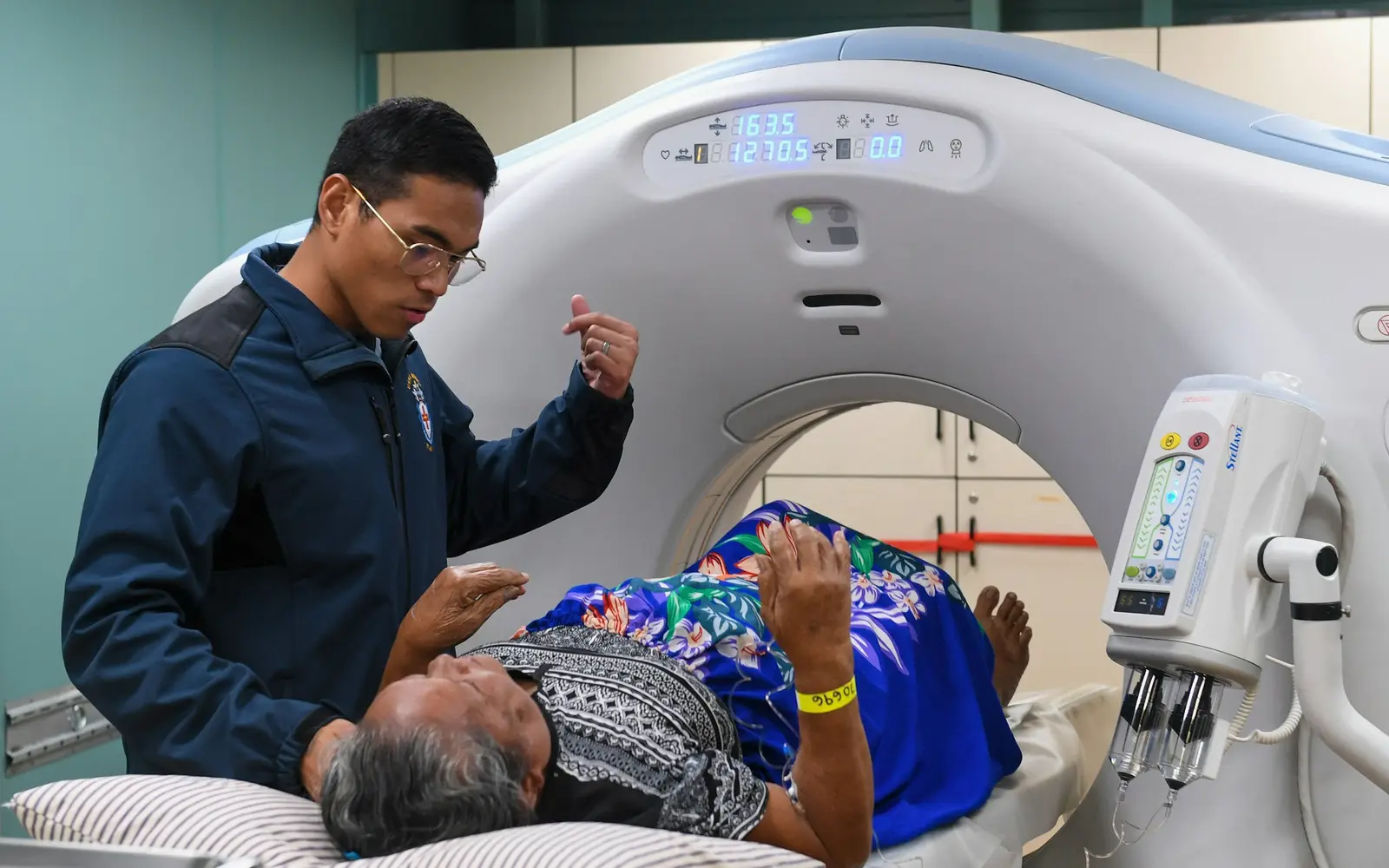
- Pancreatic protocol CT. A CT scan with contrast, taken in thin slices at carefully timed moments so the surgeon can see exactly how the tumour touches the main arteries and veins around it. A routine abdominal CT is often not detailed enough, so hospitals may repeat it.
- CA 19-9. A blood marker that many pancreatic cancers release. It can be falsely high when the bile duct is blocked, so it is most useful for following treatment.
- EUS biopsy. In endoscopic ultrasound, a thin flexible tube with an ultrasound probe is passed through the mouth into the stomach and the first part of the small bowel under sedation. A fine needle takes a sample from the tumour through the wall of the gut.
- Chest CT or PET-CT, to look for spread to the lungs or elsewhere.
- Genetic testing, which many teams now offer every patient, because inherited changes such as BRCA can affect drug choices and matter for relatives.
The four groups
- Resectable: the tumour is clear of the major blood vessels and can be removed.
- Borderline resectable: the tumour touches some vessels to a limited degree. Chemotherapy usually comes first to shrink it and make surgery possible.
- Locally advanced: the tumour wraps around major arteries and cannot be removed at first. Chemotherapy, sometimes followed by radiation, is the main treatment, and a few people become suitable for surgery later.
- Metastatic: the cancer has spread, often to the liver or the lining of the abdomen. Chemotherapy aims to control it and ease symptoms.
To prepare a quote, hospitals ask for the CT images themselves (a disc or download link), any biopsy and blood reports including CA 19-9 and bilirubin, and details of any stent. You can name your preferred country on the quote form, or invite hospitals in several countries to quote.
How it is done
Relieving jaundice
When a tumour blocks the bile duct, a gastroenterologist may place a biliary stent, a small plastic or metal tube that holds the duct open. It is done by ERCP, an endoscope passed through the mouth into the first part of the small bowel, usually under sedation. For a person with jaundice, a stent is needed before chemotherapy, and it is often placed before surgery when the operation cannot happen within a short time.
Chemotherapy before surgery
Many teams now give chemotherapy first (neoadjuvant chemotherapy), especially for borderline tumours. Common choices are FOLFIRINOX, a combination of four drugs given by drip every two weeks, or a gemcitabine-based combination for people who may not cope with FOLFIRINOX. A course usually lasts two to four months before a new CT decides whether surgery can go ahead. More chemotherapy often follows the operation. Our page on chemotherapy explains how cycles and treatment days work.
The Whipple procedure
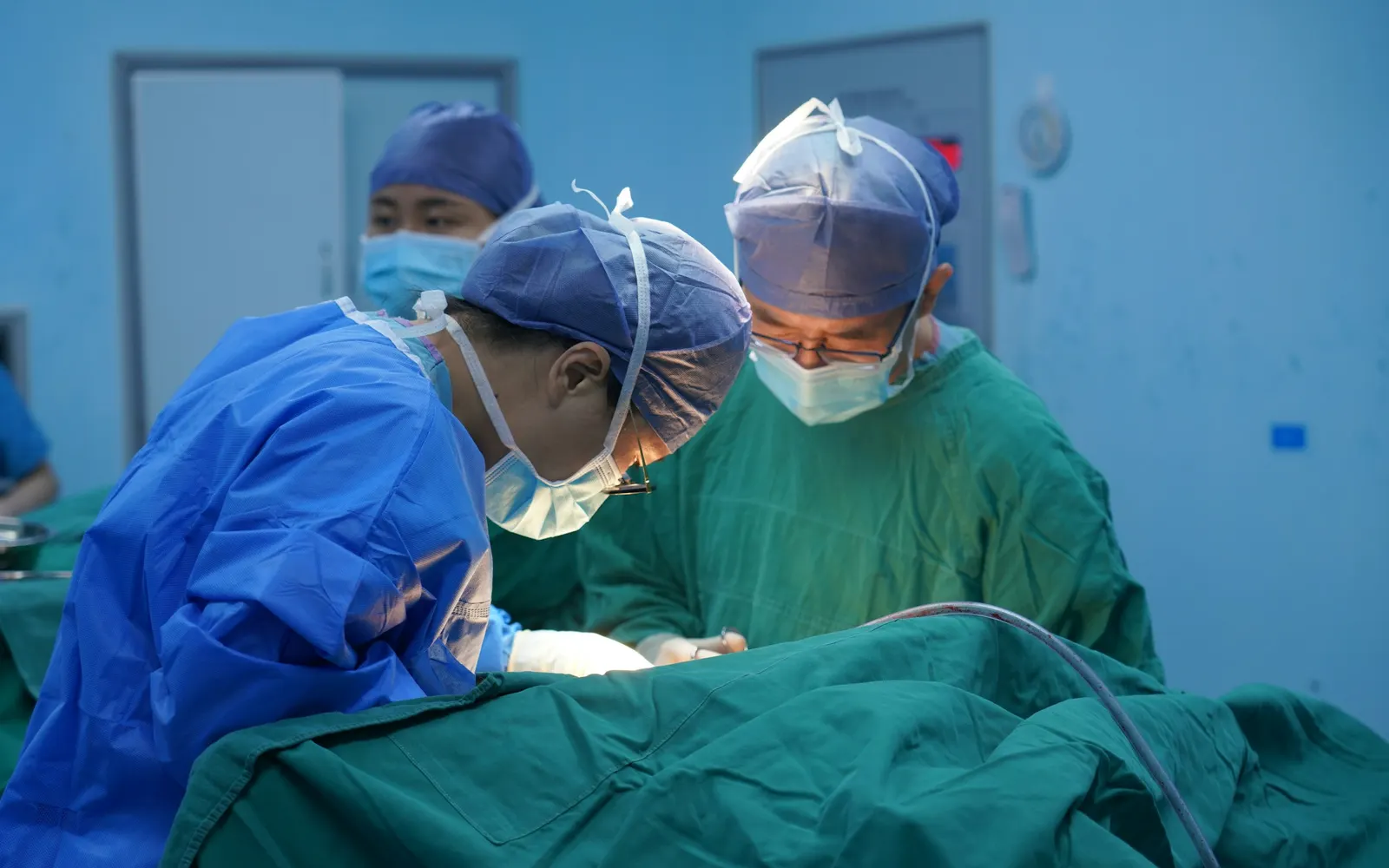
For tumours in the head of the pancreas, the usual operation is a pancreaticoduodenectomy, known as the Whipple procedure. The surgeon removes the head of the pancreas, the duodenum (the first part of the small bowel), the gallbladder, the lower part of the bile duct, nearby lymph nodes and sometimes part of the stomach. The remaining pancreas, bile duct and stomach are then joined to the small bowel. The operation often takes five to eight hours. The main early risks are a leak where the pancreas was joined and a stomach that is slow to empty. Studies have linked hospitals that perform many pancreatic operations with fewer serious complications, so it is reasonable to ask any team how often they do this surgery.
Distal pancreatectomy
Tumours in the body or tail of the pancreas are removed by distal pancreatectomy, often together with the spleen. This can sometimes be done by keyhole or robotic surgery. If the spleen is removed, you will need vaccines to protect against certain infections, ideally timed around the operation.
Radiation
Some centres use radiation, sometimes with chemotherapy, for locally advanced tumours or to ease pain. Practice varies between hospitals.
Recovery and how long you stay
After a Whipple procedure, most people spend about 7 to 14 days in hospital, starting with a day or two in intensive care or a high dependency unit. Drains, a gradual return to eating and walking from the first day are all part of the routine. A distal pancreatectomy is usually a shorter stay.
For surgery, plan on four to six weeks in the country where you are treated: about a week of tests and a team decision, the hospital stay, then one to two weeks nearby until the surgeon is happy for you to fly. If chemotherapy comes first, many families start it abroad and continue at home, then return for surgery, or stay for the whole course.
Two lasting changes are common. Many people need pancreatic enzyme replacement, capsules taken with every meal and snack, because the pancreas can no longer make enough enzymes. Pale, oily stools and weight loss are signs the dose needs adjusting. Diabetes can also appear, especially after a distal pancreatectomy, and may need tablets or insulin.
Questions to ask your doctor
- Which of the four groups does my tumour fall into, and why?
- How many Whipple or distal pancreatectomy operations does your team perform each year?
- Should I have chemotherapy before surgery, and which regimen?
- Do I need a stent first, and will it be plastic or metal?
- What are the main risks of the operation for someone like me?
- Will I need enzyme capsules, and how will diabetes be checked?
- Has genetic testing been done, and should my relatives be tested?
- Which treatment can continue in my home country?
The question about operation numbers can feel awkward to ask, but a team that does this work often will answer it without hesitation. If your relative feels unwell or overwhelmed, the interpreter can ask on your behalf, and your coordinator can share the written answers with the rest of the family.
Indicative cost by country
Ranges for a standard case at a private hospital. They help you plan; your chosen hospital's quote for your case is the figure to plan around.
- IndiaIndicative priceUS$6,000 to US$12,000Hospital stay7 to 14 daysTotal time in the country28 to 42 days
What the range usually covers: Surgery only: Whipple procedure (pancreaticoduodenectomy) with surgeon and anaesthesia fees, operating theatre, ICU and ward stay of about 10 days, and medicines during admission. Excludes scans, EUS biopsy and stenting, chemotherapy before or after surgery, enzyme capsules after discharge, flights and hotel, which are quoted separately.
- TurkeyIndicative priceUS$14,000 to US$25,000Hospital stay7 to 14 daysTotal time in the country28 to 42 days
What the range usually covers: Surgery only: Whipple procedure (pancreaticoduodenectomy) with surgeon and anaesthesia fees, operating theatre, ICU and ward stay of about 10 days, and medicines during admission. Excludes scans, EUS biopsy and stenting, chemotherapy before or after surgery, enzyme capsules after discharge, flights and hotel, which are quoted separately.
- ThailandIndicative priceUS$25,000 to US$40,000Hospital stay7 to 14 daysTotal time in the country28 to 42 days
What the range usually covers: Surgery only: Whipple procedure (pancreaticoduodenectomy) with surgeon and anaesthesia fees, operating theatre, ICU and ward stay of about 10 days, and medicines during admission. Excludes scans, EUS biopsy and stenting, chemotherapy before or after surgery, enzyme capsules after discharge, flights and hotel, which are quoted separately.
- MalaysiaIndicative priceUS$18,000 to US$40,000Hospital stay7 to 14 daysTotal time in the country28 to 42 days
What the range usually covers: Surgery only: Whipple procedure (pancreaticoduodenectomy) with surgeon and anaesthesia fees, operating theatre, ICU and ward stay of about 10 days, and medicines during admission. Excludes scans, EUS biopsy and stenting, chemotherapy before or after surgery, enzyme capsules after discharge, flights and hotel, which are quoted separately.
- MexicoIndicative priceUS$18,000 to US$35,000Hospital stay7 to 14 daysTotal time in the country28 to 42 days
What the range usually covers: Surgery only: Whipple procedure (pancreaticoduodenectomy) with surgeon and anaesthesia fees, operating theatre, ICU and ward stay of about 10 days, and medicines during admission. Excludes scans, EUS biopsy and stenting, chemotherapy before or after surgery, enzyme capsules after discharge, flights and hotel, which are quoted separately.
Indicative range. Your final cost depends on your reports and the hospital you choose.
Questions families ask
My mother was told her pancreatic cancer cannot be operated on. Is it worth asking another hospital?
It can be. Whether a tumour is removable depends on how closely it touches nearby blood vessels, and experienced pancreatic teams sometimes read the same CT differently. Some tumours called borderline or locally advanced can become operable after chemotherapy. Sending her CT images and reports to more than one hospital lets you see whether their surgeons agree.
Why does my father need a stent before chemotherapy?
A tumour in the head of the pancreas often blocks the bile duct, which causes jaundice, itching and dark urine. Chemotherapy is usually started only once bilirubin has come down, because the liver handles many of the drugs. A stent placed through an endoscope opens the duct again, and the bilirubin often falls over the following days to weeks.
What is CA 19-9, and does a high level mean the cancer has spread?
CA 19-9 is a blood marker that many pancreatic cancers release. A high level on its own does not prove spread, because a blocked bile duct or inflammation can also raise it, and a small number of people do not produce it at all. Doctors use it mainly to follow how the cancer responds over time.
Will I be able to eat normally after a Whipple procedure?
Most people return to eating by mouth, but meals often need to be smaller and more frequent for some months. Many people need enzyme capsules with food to digest fat and protein, and some develop diabetes. A dietitian usually sees you before discharge to plan meals and doses.
Should we ask how many pancreatic operations the hospital performs?
Yes, it is a fair and common question. Studies have found that hospitals and surgical teams who carry out many pancreatic operations tend to have fewer serious complications, and they are better prepared to manage those that do happen. A hospital that does this work regularly will expect the question and should answer it plainly.
This page is general information. Your treating doctor decides your treatment plan.