Overview
Most families reach this page with an MRI report in hand and a word on it they did not expect. A brain tumour is a growth of abnormal cells inside the skull. Some tumours start in the brain or its coverings, such as a glioma (a tumour of the brain's supporting cells) or a meningioma (a tumour of the membranes around the brain, usually slow growing). Others are metastases, which have spread from a cancer somewhere else in the body.
Surgery has two main jobs. The first is to remove as much of the tumour as can be taken out safely, which relieves pressure on the brain and often eases headaches, seizures or weakness. The second is to obtain tissue, so a pathologist can name the tumour exactly. That diagnosis decides what comes next.
Not every tumour can or should be removed. A tumour deep in the brain, or wrapped around areas that control speech and movement, may be sampled with a biopsy instead and then treated with radiotherapy or medicines. Very small tumours are sometimes watched with repeat scans, or treated with radiosurgery (a single, precisely focused dose of radiation, with no cut at all).
Who needs it
Surgeons usually recommend an operation when a tumour is causing symptoms, is growing, or needs a firm diagnosis. Common reasons include:
- Gliomas, including glioblastoma, where removing as much tumour as is safe is usually the first step before further treatment.
- Meningiomas that are large, growing or pressing on the brain.
- Pituitary tumours affecting vision or hormone levels. Many are removed through the nose rather than through the skull.
- Acoustic neuromas (also called vestibular schwannomas), benign tumours on the nerve of hearing and balance.
- Metastases, particularly a single one or a few, when the cancer elsewhere is under control.
The decision also depends on your general health. Heart and lung problems, diabetes and blood thinners all matter to the anaesthetist and surgeon.
Reports to send
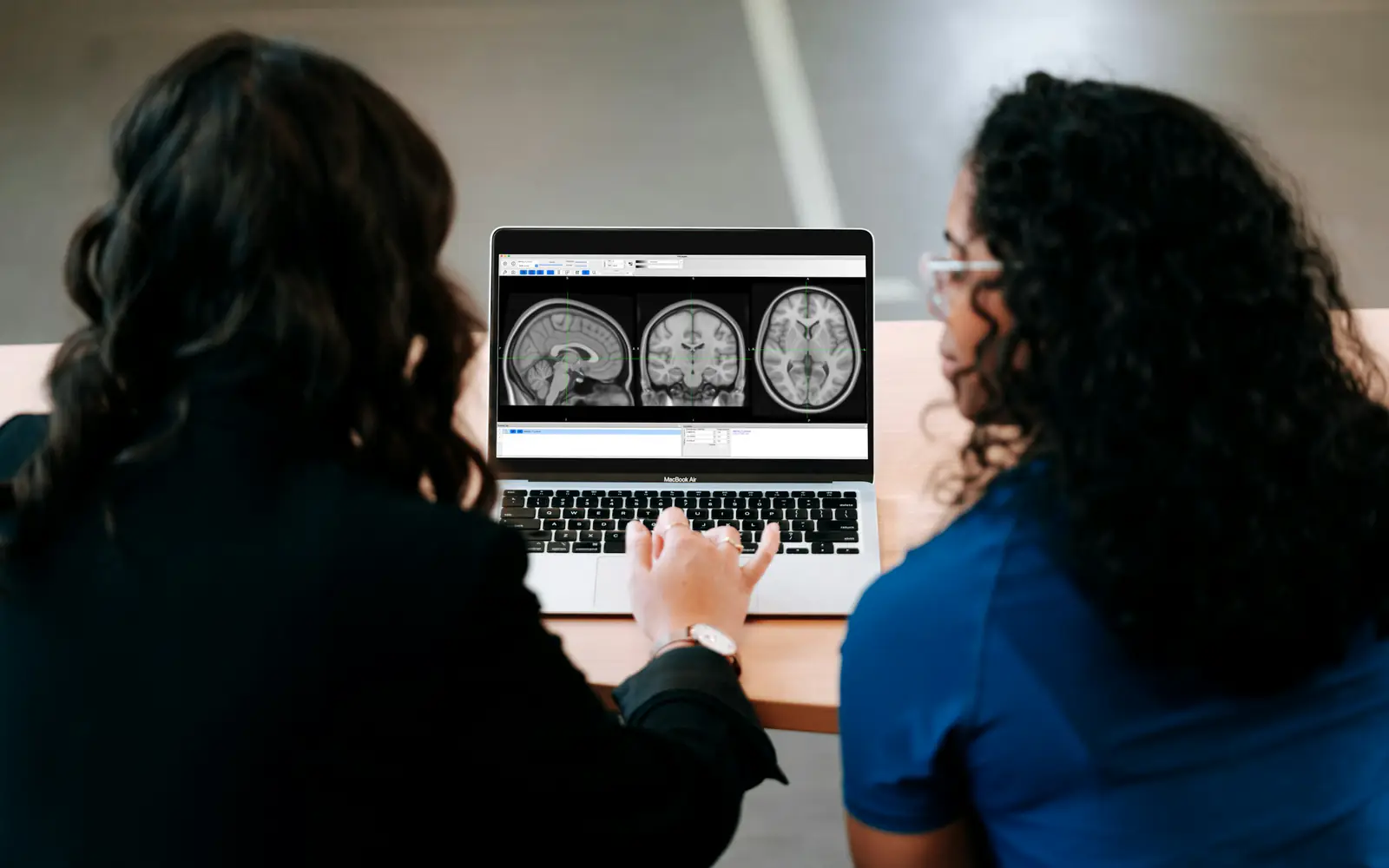
Send your latest MRI of the brain with contrast (an injected dye that makes the tumour show clearly), on a disc or as a download link, with the radiologist's written report. Pictures alone are not enough; the surgeon needs to scroll through the full scan. Add any CT scans, previous biopsy or surgery reports, letters from your neurologist, and a full list of your medicines, including steroids and seizure medicines. A short note describing the symptoms and when they began also helps.
How it is done
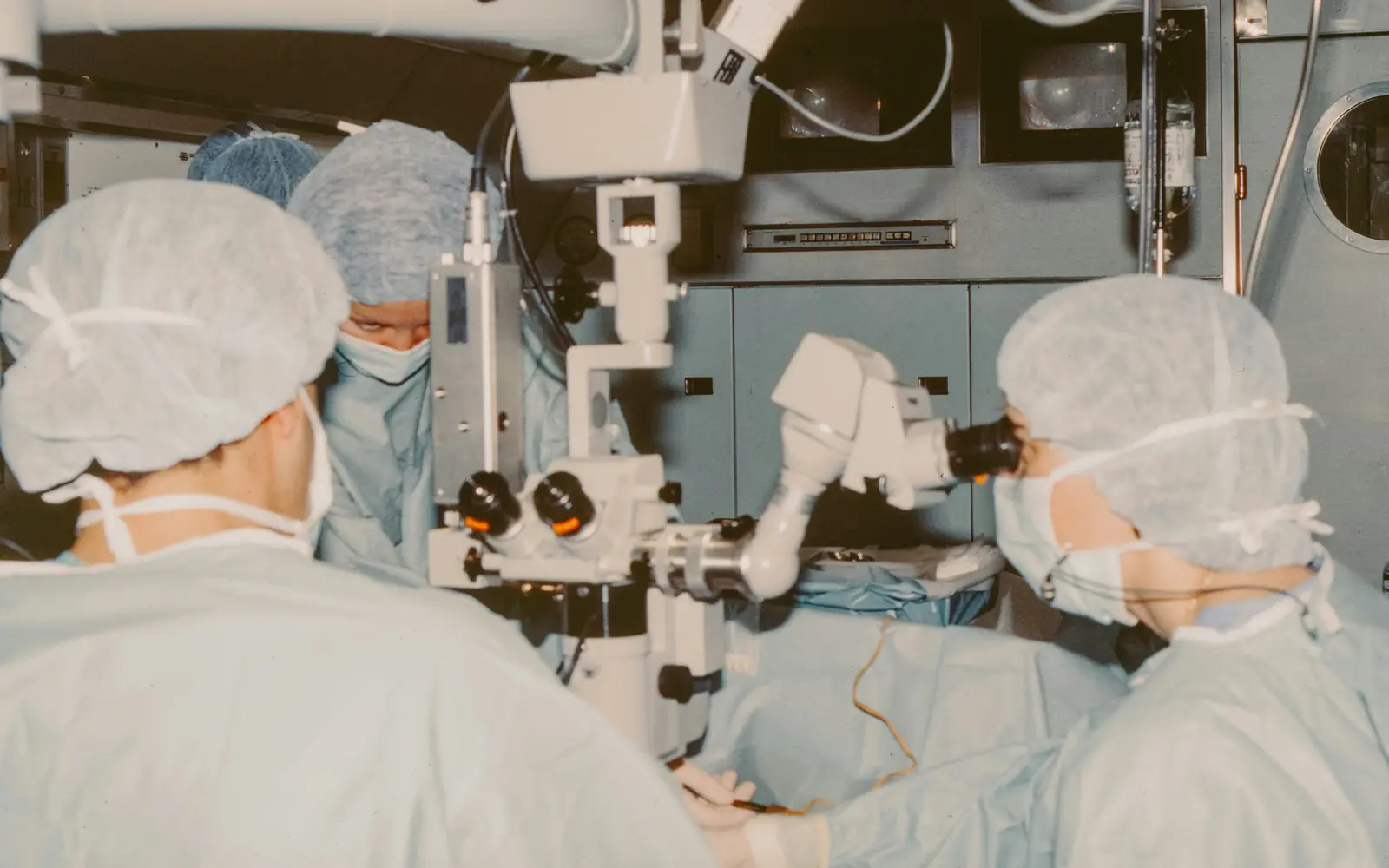
Most tumours are reached through a craniotomy. Under general anaesthesia, the surgeon makes a cut in the scalp, removes a piece of skull bone (the bone flap), works on the tumour under an operating microscope, and then puts the bone back, fixed with small plates and screws. The operation commonly takes three to six hours, sometimes longer.
Several tools help the surgeon find the tumour and protect healthy brain:
- Neuronavigation works like satellite navigation for the brain. Your MRI is loaded into a computer that tracks the surgeon's instruments and shows their exact position on the scan in real time.
- Awake craniotomy is used when a tumour lies close to the areas for speech or movement. You are asleep or deeply sedated for the opening, then woken for part of the operation. The scalp is numbed, and the brain itself feels no pain. While you talk, count or move your hand, the team gently stimulates the brain to map which areas must be left alone. It sounds alarming, but patients are prepared for it in detail beforehand.
- Intraoperative monitoring tracks nerve signals during the operation and warns the team if a pathway is at risk.
- Some hospitals also use ultrasound or MRI during surgery, or a fluorescent dye taken by mouth that makes certain tumours glow under a special light.
For a pituitary tumour, the surgeon usually goes through the nose using an endoscope (a thin tube with a camera), so there is no scalp cut. For a deep tumour, a stereotactic biopsy may be done: a frame or navigation system guides a fine needle through a small hole in the skull to take a sample.
Recovery and how long you stay
After surgery you normally spend the first night in an intensive care or high dependency unit, where nurses check your alertness, speech and limb strength every hour or so. A scan in the first day or two shows how much tumour was removed. Most people are sitting up the next day and walking within a day or two.
Expect about 4 to 7 days in hospital after a craniotomy. Headache, tiredness and some swelling around the eye on the side of the operation are common in the first week. You may be given steroids to reduce brain swelling and a seizure medicine for a time. These are usually reduced gradually, and your surgeon tells you how.
The stitches or clips usually come out after 7 to 14 days. Most patients stay in the country where they are treated for about 18 to 28 days in total, which covers tests before surgery, the hospital stay, the wound check, the pathology report and a review with the surgeon before flying. If radiotherapy is needed and you decide to have it at the same hospital, plan for about six more weeks, since it is usually given on weekdays over several weeks. Many patients instead have it at home, and the treating team sends a written plan for local doctors.
Driving is not allowed for a period after brain surgery, and the length depends on the tumour and on whether you have had seizures. Your surgeon decides, and the rules in your own country apply too.
Because the pathology report decides whether you stay for radiotherapy, we book a stay near the hospital that can be extended without moving you, and we send the full report and scans home with you so local doctors can continue the plan.
Questions to ask your surgeon
Each surgeon whose hospital quotes for you can answer these at an online consultation before you choose:
- What do you think this tumour is, and how sure can you be before surgery?
- How much of it do you expect to remove, and what would you leave behind and why?
- Will I need an awake craniotomy, neuronavigation or nerve monitoring?
- What could change in my speech, movement, vision or memory, even for a short time?
- When will the full pathology report be ready, including molecular tests?
- Will I need radiotherapy or chemotherapy, and can it be given in my home country?
- How long should I take steroids and seizure medicines after surgery?
- When is it safe for me to fly, and what scans do you want afterwards?
Keep a copy of every scan and report from the hospital, including the pathology report. If you ever need a second opinion, those are the documents another specialist will ask for first.
Indicative cost by country
Ranges for a standard case at a private hospital. They help you plan; your chosen hospital's quote for your case is the figure to plan around.
- IndiaIndicative priceUS$6,000 to US$11,500Hospital stay4 to 7 daysTotal time in the country18 to 28 days
What the range usually covers: Craniotomy to remove one tumour, neurosurgeon and anaesthesia fees, navigation during surgery, and ICU and ward stay for the listed days. Excludes radiotherapy, chemotherapy, flights and hotel.
- TurkeyIndicative priceUS$12,000 to US$20,000Hospital stay4 to 7 daysTotal time in the country18 to 28 days
What the range usually covers: Craniotomy to remove one tumour, neurosurgeon and anaesthesia fees, navigation during surgery, and ICU and ward stay for the listed days. Excludes radiotherapy, chemotherapy, flights and hotel.
- ThailandIndicative priceUS$10,000 to US$25,000Hospital stay4 to 7 daysTotal time in the country18 to 28 days
What the range usually covers: Craniotomy to remove one tumour, neurosurgeon and anaesthesia fees, navigation during surgery, and ICU and ward stay for the listed days. Excludes radiotherapy, chemotherapy, flights and hotel.
- MalaysiaIndicative priceUS$8,000 to US$17,500Hospital stay4 to 7 daysTotal time in the country18 to 28 days
What the range usually covers: Craniotomy to remove one tumour, neurosurgeon and anaesthesia fees, navigation during surgery, and ICU and ward stay for the listed days. Excludes radiotherapy, chemotherapy, flights and hotel.
- MexicoIndicative priceUS$16,000 to US$42,500Hospital stay4 to 7 daysTotal time in the country18 to 28 days
What the range usually covers: Craniotomy to remove one tumour, neurosurgeon and anaesthesia fees, navigation during surgery, and ICU and ward stay for the listed days. Excludes radiotherapy, chemotherapy, flights and hotel.
Indicative range. Your final cost depends on your reports and the hospital you choose.
Questions families ask
Will my head be shaved for brain tumour surgery?
Usually only a narrow strip of hair along the line of the cut is shaved, and many surgeons shave very little. The hair grows back over the scar in a few months. Ask your surgeon where the cut will be so you know what to expect.
When will we know what type of tumour it is?
The pathologist examines the tissue removed during surgery. A first answer may come within days, but the full report, including the molecular tests many tumours now need, often takes one to two weeks. Further treatment is planned from that report, so it affects how long you stay.
Which reports should I send for a brain tumour surgery quote?
Send your latest brain MRI with contrast, on a disc or as a download link, together with the radiologist's report. Add any CT scans, biopsy reports, letters from your neurologist or neurosurgeon, and a list of your medicines. If you already had a biopsy, the hospital may later ask for the tissue blocks or slides.
Will I need radiotherapy or chemotherapy after the operation?
It depends on the tumour type. Many benign tumours, such as most meningiomas, need nothing more if they are removed fully. Gliomas and tumours that have spread from elsewhere often need radiotherapy, chemotherapy or both. Your surgeon and the hospital's tumour board decide once the pathology report is ready.
Can I fly home soon after a craniotomy?
Surgeons usually want to check the wound, remove the stitches and see that you are recovering well before you fly. Advice on timing varies between surgeons, and some ask for a scan first to make sure no air is left inside the skull. Your own surgeon gives the clearance.
This page is general information. Your treating doctor decides your treatment plan.