
Overview
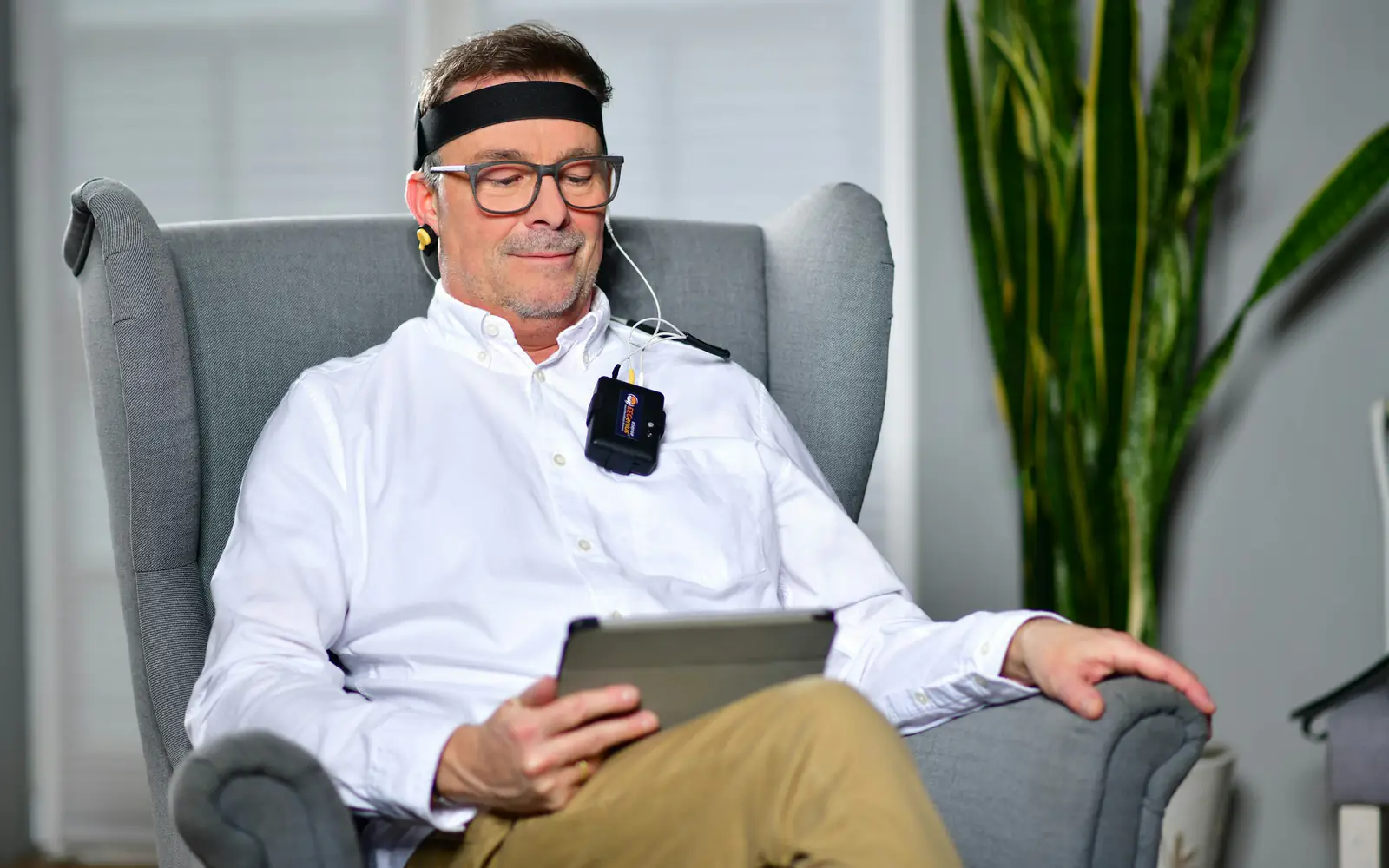
Deep brain stimulation, usually shortened to DBS, does not remove anything from the brain. Instead, a surgeon places one or two very thin wires, called leads, into a small target deep inside the brain. The leads are connected under the skin to a pulse generator, a device about the size of a matchbox or smaller, placed below the collarbone. It sends a steady stream of mild electrical pulses that calm the faulty signals behind tremor, stiffness and abnormal movements.
People sometimes call it a brain pacemaker, which gives the right idea. The stimulation can be adjusted from outside the body with a programming tablet, and it can be turned off. That flexibility is one reason DBS is chosen over older operations that destroyed a small area of brain on purpose.
DBS does not cure the underlying condition. It treats symptoms. For the right patient that can mean steadier hands, smoother movement and fewer hours each day when medicines are wearing off.
Who needs it
DBS is considered when medicines no longer control symptoms well enough, or cause side effects that are hard to live with. It is used mainly for three conditions:
- Parkinson's disease. Good candidates usually still respond to levodopa (the main Parkinson's medicine) but have "off" periods when it wears off, or dyskinesia, which is extra, uncontrolled movement when the dose peaks. Tremor that medicines do not control is another reason.
- Essential tremor, a shaking of the hands, head or voice that is not caused by Parkinson's and has not settled with medicines.
- Dystonia, where muscles contract on their own and twist the body into fixed or repeated postures. Certain types respond well, and DBS is used in children as well as adults.
The assessment is careful, because DBS can make some problems worse. For Parkinson's, doctors often do a levodopa challenge: you stop your medicines overnight, are examined, then take a dose and are examined again. Symptoms that improve with levodopa tend to improve with DBS. Problems that do not respond to levodopa, such as some balance problems, freezing and speech difficulty, usually do not improve and can worsen.
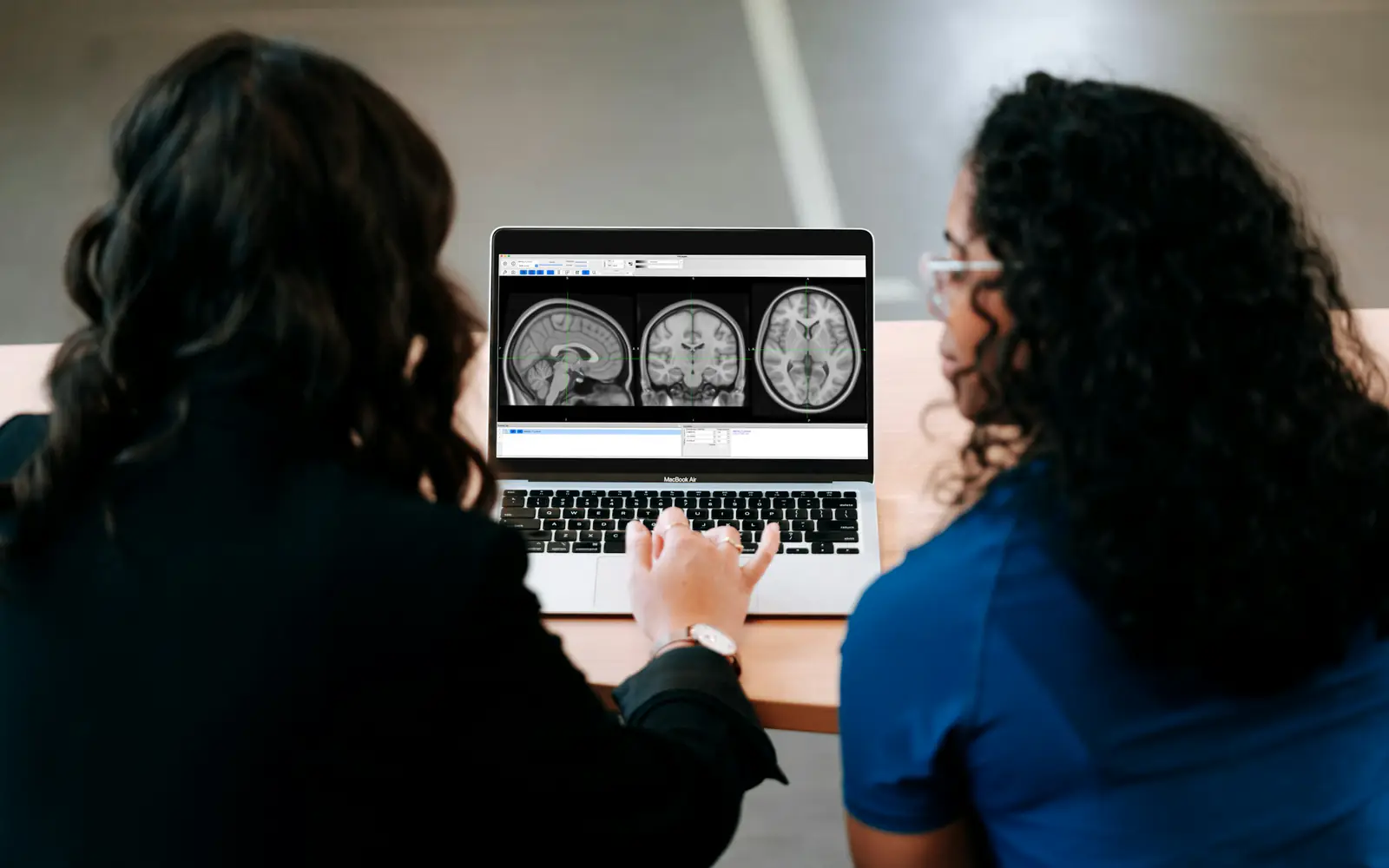
You will also usually have memory and thinking tests and a check of mood, since significant dementia or untreated depression may rule DBS out. A brain MRI checks for anything that would make surgery unsafe. The team then meets, and the neurologist and neurosurgeon decide together.
How it is done
DBS is often done in two stages, sometimes on the same day and sometimes a few days to a week apart.
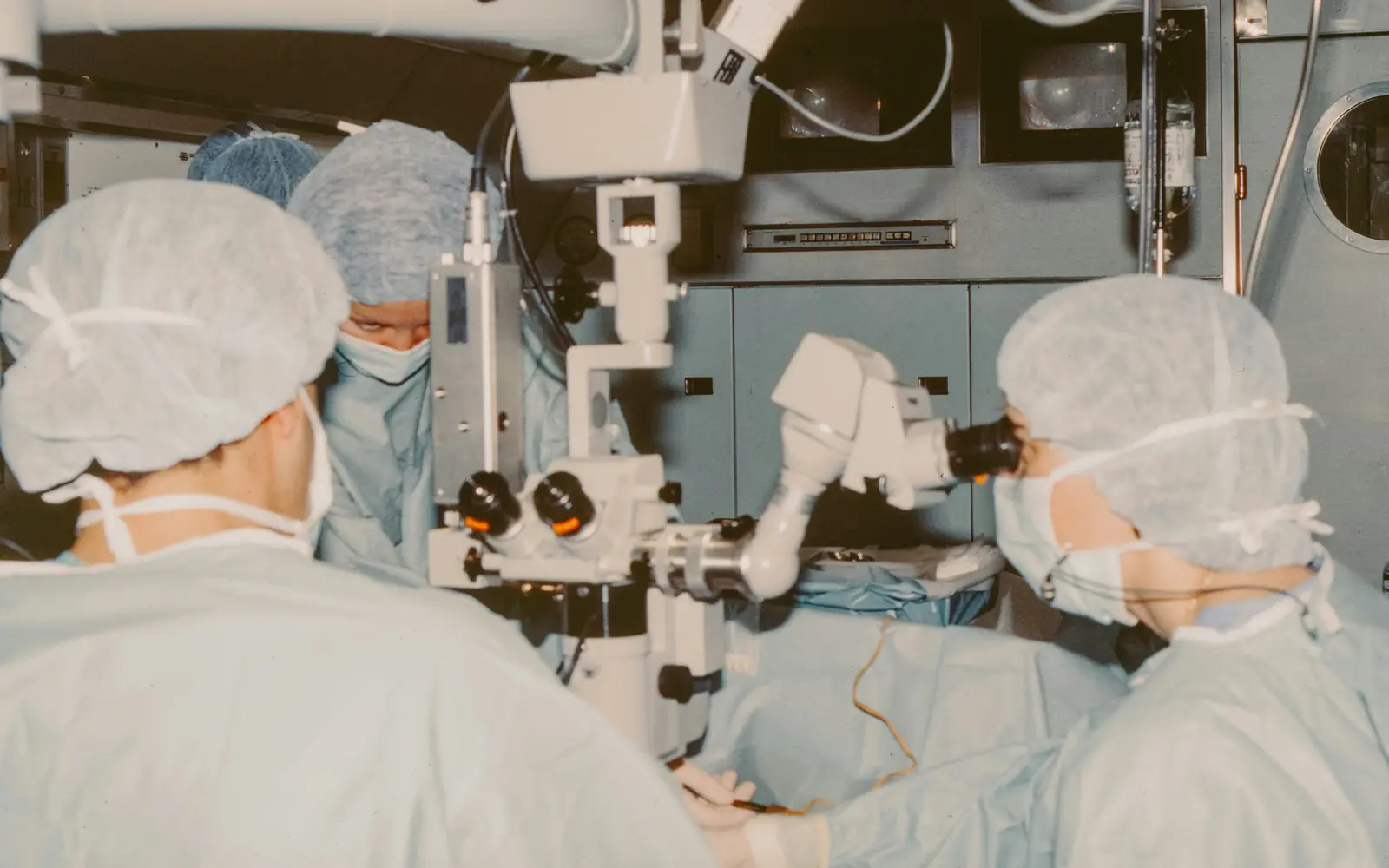
Stage one: placing the leads. The surgeon plans the route to the target on your MRI. The common targets are the subthalamic nucleus (STN) or the globus pallidus (GPi) for Parkinson's and dystonia, and part of the thalamus (VIM) for tremor. The operation is stereotactic, meaning it uses a 3D coordinate system, built from your scans and a frame or markers fixed to the head, to guide instruments to a precise point. Through one or two small holes in the skull, the surgeon passes the leads down to the target.
Many teams keep you awake for this part. They record the electrical activity of brain cells through a fine wire, then switch on test stimulation and watch your tremor or stiffness change. Others do it under general anaesthesia and use a scan during surgery to confirm the position. Your Parkinson's medicines are often stopped the night before, so the team can see your symptoms clearly. Your own team will tell you exactly what to stop and when.
Stage two: the pulse generator. Under general anaesthesia, the surgeon places the generator under the skin below the collarbone and connects it to the leads with a wire that runs under the scalp and down the neck. This part usually takes about an hour.
Recovery and how long you stay
Most people spend 3 to 6 days in hospital in total, depending on whether the two stages are done together or separately. Some feel a short-lived improvement straight away from the small amount of swelling around the leads, called a microlesion effect. It fades, and that is expected.
The stitches usually come out after 10 to 14 days. Programming begins once the swelling settles, commonly two to four weeks after surgery. A neurologist or specialist nurse adjusts the stimulation step by step while watching your symptoms, and in Parkinson's they often lower your medicines at the same time. Getting the settings right takes several sessions over months, and improvement in dystonia can take longer still.
Most patients stay about 3 to 4 weeks in the country where they are treated, to cover assessment, surgery and wound checks, plus the first programming visit where the hospital starts it early. Otherwise the first programming can be arranged on a follow-up trip or by a local clinic. Before you leave, the team should give you a written record of your settings, a patient controller and the identification card for your device.
Because programming continues at home, ask early whether a neurologist in your country can programme your device brand, and whether your model supports remote programming. When hospitals quote, we ask each one which device it plans to use, so you can check local follow up before you choose.
Questions to ask your doctor
- Which of my symptoms do you expect DBS to help, and which will it not help?
- Which target do you recommend for me, and why?
- Will I be awake for any part of the operation?
- Are both stages done in one admission, or separately?
- Which device do you plan to use, rechargeable or not, and how long does the battery last?
- When does programming start, and who can continue it in my home country?
- Can I have an MRI scan later with this device?
- What should make me contact you straight away after I go home?
Before the consultation, record a short video of yourself at your worst, before your morning dose, and another when your medicines are working. Doctors find it easier to judge DBS from those two clips than from any description.
Indicative cost by country
Ranges for a standard case at a private hospital. They help you plan; your chosen hospital's quote for your case is the figure to plan around.
- IndiaIndicative priceUS$16,000 to US$30,000Hospital stay3 to 6 daysTotal time in the country21 to 30 days
What the range usually covers: Electrodes on both sides of the brain with one rechargeable or non rechargeable stimulator, surgery, first programming session and the listed hospital days. The device is the largest part of the cost. Excludes flights and hotel.
- TurkeyIndicative priceUS$22,000 to US$30,000Hospital stay3 to 6 daysTotal time in the country21 to 30 days
What the range usually covers: Electrodes on both sides of the brain with one rechargeable or non rechargeable stimulator, surgery, first programming session and the listed hospital days. The device is the largest part of the cost. Excludes flights and hotel.
- ThailandIndicative priceUS$25,000 to US$40,000Hospital stay3 to 6 daysTotal time in the country21 to 30 days
What the range usually covers: Electrodes on both sides of the brain with one rechargeable or non rechargeable stimulator, surgery, first programming session and the listed hospital days. The device is the largest part of the cost. Excludes flights and hotel.
- MalaysiaIndicative priceUS$30,000 to US$52,000Hospital stay3 to 6 daysTotal time in the country21 to 30 days
What the range usually covers: Electrodes on both sides of the brain with one rechargeable or non rechargeable stimulator, surgery, first programming session and the listed hospital days. The device is the largest part of the cost. Excludes flights and hotel.
- MexicoIndicative pricePrice on requestHospital stay3 to 6 daysTotal time in the country21 to 30 days
What the range usually covers: Electrodes on both sides of the brain with one rechargeable or non rechargeable stimulator, surgery, first programming session and the listed hospital days. The device is the largest part of the cost. Excludes flights and hotel.
Indicative range. Your final cost depends on your reports and the hospital you choose.
Questions families ask
Does deep brain stimulation cure Parkinson's disease?
No. DBS treats some symptoms, mainly tremor, stiffness, slowness and the swings between good and bad periods, but the disease itself continues. Many people can lower their medicine dose afterwards. Your neurologist can explain which of your own symptoms are likely to improve and which are not.
Will I be awake during the operation?
Some teams keep you awake for the part where the electrodes are placed, so they can test the effect on your tremor or stiffness and check for side effects. Others do the whole operation asleep and confirm the position with imaging. The scalp is numbed, and the brain itself feels no pain. Ask the hospital which method it uses.
How long does the battery last?
Non-rechargeable batteries usually last several years, depending on how much stimulation you need, and are then replaced in a short operation through the same chest cut. Rechargeable models last longer but need charging at home, often a few times a week. Your doctor will help you choose.
Can I go through airport security with a DBS device?
Yes, but carry the device identification card the hospital gives you and show it before screening. Security staff can then check you by hand. Your doctor will explain the advice from the device maker about scanners and magnets.
Which reports should I send for a DBS quote?
Send letters from your neurologist describing your diagnosis and how long you have had it, your current medicines with doses and times, a recent brain MRI, and any memory or mood assessments. A short video of you in your best and worst state on medicines is very helpful.
This page is general information. Your treating doctor decides your treatment plan.