
Overview
An angiogram report that says "triple vessel disease", followed by a cardiologist at home mentioning bypass, is a lot to take in. What follows explains what the operation involves, what the first days in hospital look like, and how long to plan to be away from home.
Coronary artery bypass grafting, shortened to CABG and often said "cabbage", treats coronary artery disease. The coronary arteries are the small vessels on the surface of the heart that feed the heart muscle. When fatty deposits called plaque narrow them, the muscle gets too little blood. That causes chest pain on effort, breathlessness, or a heart attack.
In a bypass operation, the surgeon takes a healthy blood vessel from elsewhere in your body and attaches it so blood can flow around the blocked section. Each new route is called a graft. A "triple bypass" simply means three grafts. The blocked arteries stay where they are, and the grafts carry blood past them.
Who needs it
Bypass surgery is one of several ways to treat narrowed arteries. Many people do well on medicines alone, and others are treated with angioplasty, where a stent is placed through a thin tube. A heart team usually recommends bypass when:
- several of the main coronary arteries are narrowed, especially in someone with diabetes
- the left main coronary artery, which supplies a large part of the heart, is badly narrowed
- the blockages are long, calcified (hardened with calcium) or sit at branch points where stents work less well
- the heart's pumping strength is reduced and a better blood supply may help
- another heart operation, such as a valve replacement, is needed at the same time
Send us the angiogram CD or video, the echocardiogram report and recent blood tests. The reviewing cardiac surgeons can then say whether bypass, stenting or medicines suit your case, and sometimes the answer is that surgery is not needed. It is far better to learn that before anyone books a flight. Once surgery is advised, partner hospitals each send a quote for your specific operation, and you choose the one you want. You can name the country you would prefer on the quote form, or ask hospitals in several of the five countries we work with to quote.
How it is done
Tests before the operation
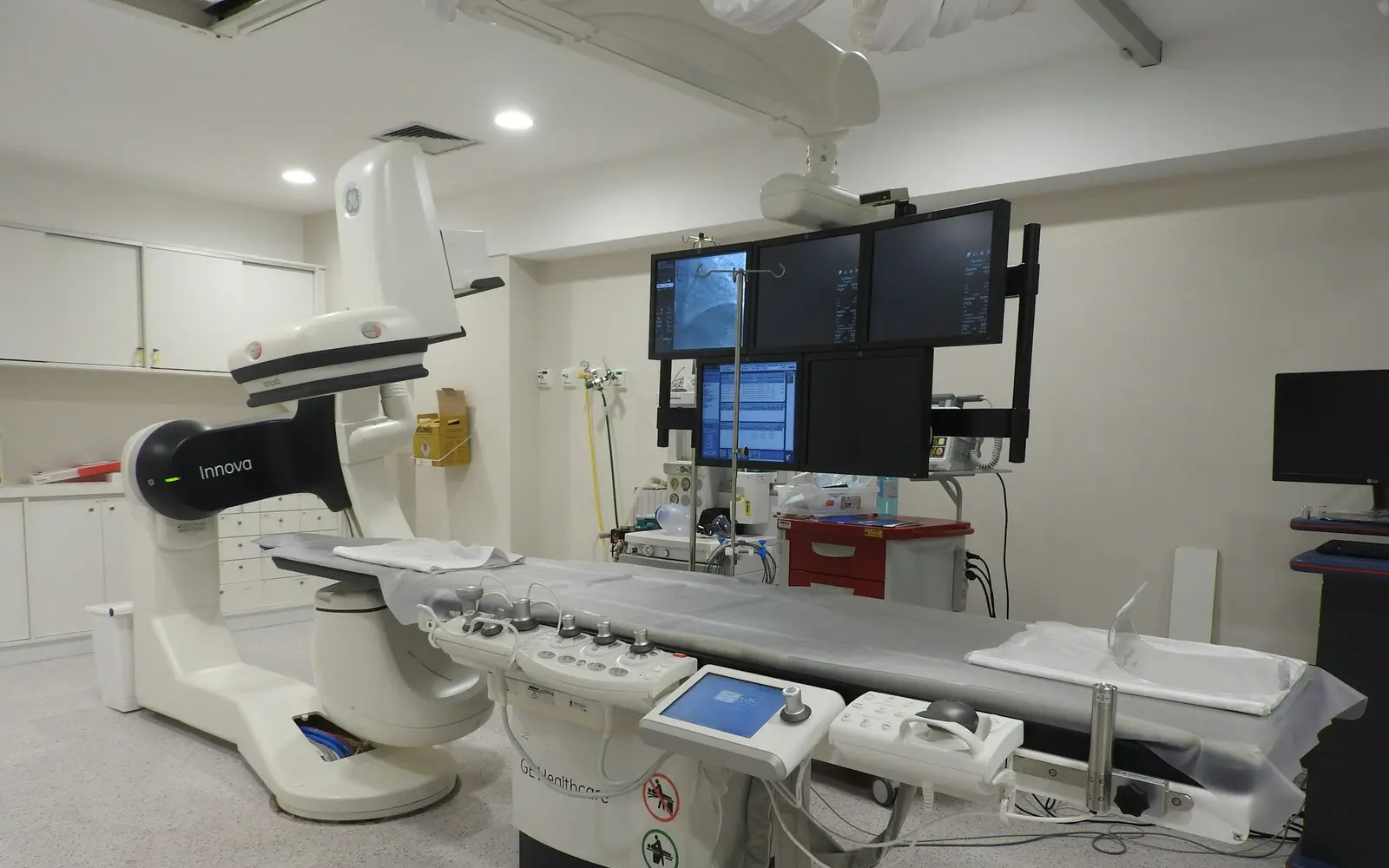
Expect one to three days of tests after you arrive, even if you bring reports from home. Hospitals repeat some of them so the team works from fresh results. The usual list:
- an echocardiogram (an ultrasound scan of the heart) to check pumping strength and the valves
- an ECG (a tracing of the heart's electrical activity) and a chest X-ray
- blood tests for blood count, kidney and liver function, sugar control (HbA1c), clotting and blood group
- a carotid Doppler, an ultrasound of the neck arteries, because narrowing there affects the risk of stroke
- breathing tests, particularly for people who smoke or have lung disease
- a repeat coronary angiogram if yours is old or unclear
The doctors will also go through your medicines. Some blood thinners, such as clopidogrel, are often stopped several days before surgery. Bring every tablet you take in its original box, so nothing gets lost in translation.
The operation
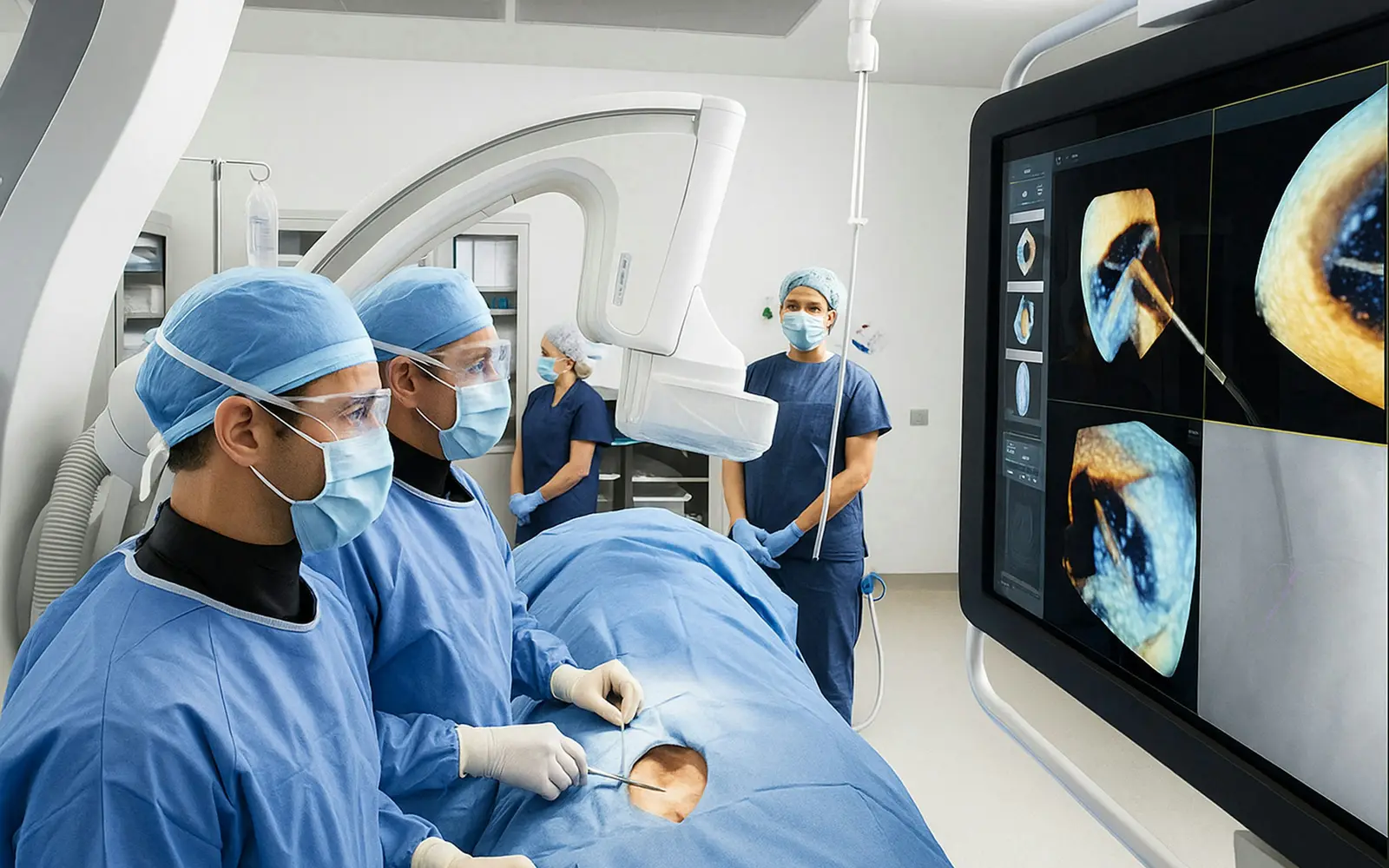
CABG is done under general anaesthesia, so you are fully asleep. It usually takes three to six hours. The surgeon opens the chest through a cut down the middle of the breastbone, called a sternotomy. The grafts most often come from the internal mammary artery, which runs inside the chest wall, and from the saphenous vein in the leg. Some surgeons also use the radial artery from the forearm.
Many operations use a heart-lung machine. It takes over pumping and breathing while the heart is stopped, so the surgeon can stitch onto a still surface. Other surgeons operate "off-pump" on the beating heart, using a device that holds one small area steady. Which method suits you depends on your arteries and on the surgeon's judgement.
At the end, the breastbone is closed with steel wires that stay in place for life, and the skin is closed over them.
Recovery and how long you stay
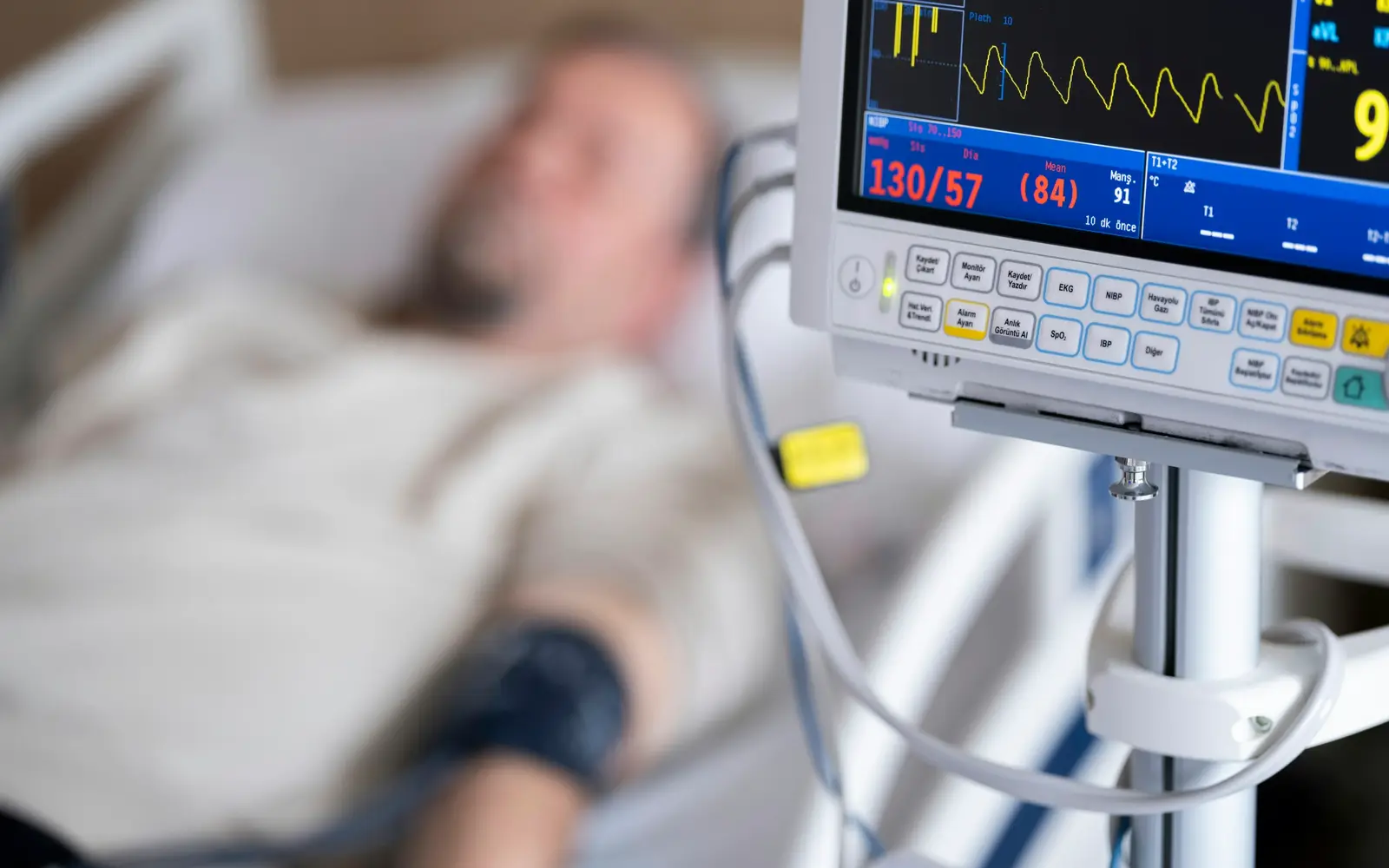
The first night is spent in the cardiac intensive care unit (ICU). When the family first sees the patient there, expect a breathing tube, drips in the neck and arm, chest drains (tubes that remove fluid from around the heart) and several monitors. It looks frightening, and it is normal. The breathing tube usually comes out within hours, once the patient is awake and breathing well. The drains generally come out after a day or two.
Nurses get most patients sitting in a chair on the first or second day and walking a few steps soon after. A physiotherapist teaches breathing and coughing exercises, often with a pillow held against the chest for support. Most people move from the ICU to a ward around day two or three and leave hospital six to eight days after surgery.
Chest and leg wounds are often closed with dissolving stitches. If clips or ordinary stitches are used, they usually come out about 7 to 10 days after the operation.
Plan for 14 to 21 days in total in the country where you are treated. That covers the tests, the operation, the hospital stay and a clinic visit about a week after discharge, where the team checks your wounds, blood tests and ECG. Published guidance suggests waiting about 10 to 14 days after an uncomplicated operation before flying, and your surgeon decides at that visit. Surgeons usually suggest an aisle seat and regular walks during the flight. Keep your medicines in your hand luggage.
The breastbone needs around two to three months to heal fully. Until then, surgeons usually advise against lifting more than a few kilograms or pushing yourself up from a chair with your arms, and most ask you not to drive for four to six weeks. Your own surgeon will give you the exact limits before you leave. Tiredness, a poor appetite and low mood in the first weeks are common and usually pass.
The hospital team treats you, and your MediCurage coordinator handles the practical side. For bypass, that mostly means booking your family a stay within a short drive of the hospital, because ICU visiting slots are often brief and set at fixed times of day.
Questions to ask your surgeon
These are worth asking at the first consultation, online before you travel or in person after you arrive:
- Which arteries will you bypass, and how many grafts do you expect to need?
- Will you use the heart-lung machine or operate on the beating heart, and why?
- Which vessels will you use as grafts, and will I have a wound on my leg or arm?
- Which of my current medicines should I stop before surgery, and on what day?
- If I need extra days in the ICU, how does that change the quote?
- What should my doctor at home check in the first month, and when is my next echocardiogram due?
- Is there a cardiac rehabilitation programme (supervised exercise and advice) I can follow once I am home?
If a vein is taken from your leg, ask as well whether you should wear a compression stocking on the flight home. Some ankle swelling on that side is common for several weeks, and a long flight with little room to move can make it worse.
Indicative cost by country
Ranges for a standard case at a private hospital. They help you plan; your chosen hospital's quote for your case is the figure to plan around.
- IndiaIndicative priceUS$4,500 to US$8,000Hospital stay6 to 8 daysTotal time in the country14 to 21 days
What the range usually covers: Bypass surgery, surgeon and anaesthesia fees, ICU and ward stay for the listed days, and routine medicines and tests during admission. Excludes flights, hotel and care for other conditions.
- TurkeyIndicative priceUS$12,000 to US$22,000Hospital stay6 to 8 daysTotal time in the country14 to 21 days
What the range usually covers: Bypass surgery, surgeon and anaesthesia fees, ICU and ward stay for the listed days, and routine medicines and tests during admission. Excludes flights, hotel and care for other conditions.
- ThailandIndicative priceUS$35,000 to US$48,000Hospital stay6 to 8 daysTotal time in the country14 to 21 days
What the range usually covers: Bypass surgery, surgeon and anaesthesia fees, ICU and ward stay for the listed days, and routine medicines and tests during admission. Excludes flights, hotel and care for other conditions.
- MalaysiaIndicative priceUS$14,500 to US$25,000Hospital stay6 to 8 daysTotal time in the country14 to 21 days
What the range usually covers: Bypass surgery, surgeon and anaesthesia fees, ICU and ward stay for the listed days, and routine medicines and tests during admission. Excludes flights, hotel and care for other conditions.
- MexicoIndicative priceUS$21,500 to US$45,000Hospital stay6 to 8 daysTotal time in the country14 to 21 days
What the range usually covers: Bypass surgery, surgeon and anaesthesia fees, ICU and ward stay for the listed days, and routine medicines and tests during admission. Excludes flights, hotel and care for other conditions.
Indicative range. Your final cost depends on your reports and the hospital you choose.
Questions families ask
Can I have bypass surgery if I have diabetes or kidney problems?
Yes, many people who need bypass surgery also have diabetes, and it is often one of the reasons surgery is chosen over stents. The team will check your sugar control and kidney function before the operation and may adjust your medicines. Send your latest HbA1c and creatinine results with your enquiry so the surgeons can see the full picture.
How many family members should come with the patient?
One or two adults is usually enough. Only a few visitors are allowed in the ICU at a time, but having someone rested who can sit with the patient on the ward and help with walking after discharge makes a real difference. We arrange a stay near the hospital for everyone travelling.
Will I need blood during the operation?
Some patients need a blood transfusion during or after bypass surgery, and hospitals may ask family members to donate blood to replace what is used. The hospital will explain its own rules during the pre-operative visit. If this matters to you for religious or personal reasons, raise it with the surgeon before you travel.
What if my angiogram was done months ago?
Send it anyway, ideally the CD or video file and not only the written report. The surgeons can usually tell from it whether bypass is likely. They may repeat the angiogram after you arrive if it is old, unclear, or your symptoms have changed since.
When can I go back to work after bypass surgery?
People with desk jobs often return after about six to eight weeks. Work that involves lifting, driving for long hours or physical labour usually needs longer, around three months. Your surgeon and your doctor at home will advise based on how your recovery goes.
This page is general information. Your treating doctor decides your treatment plan.