Overview
Head and neck cancers start in the lining of the mouth, tongue, gums, cheeks, throat (pharynx), voice box (larynx), sinuses or salivary glands. In South Asia, and in parts of the Middle East and East Africa, mouth cancer is common and is strongly linked to smoking and to chewing tobacco, betel quid and areca nut. Throat cancers caused by HPV (human papillomavirus, a common virus) are becoming more frequent in many countries.
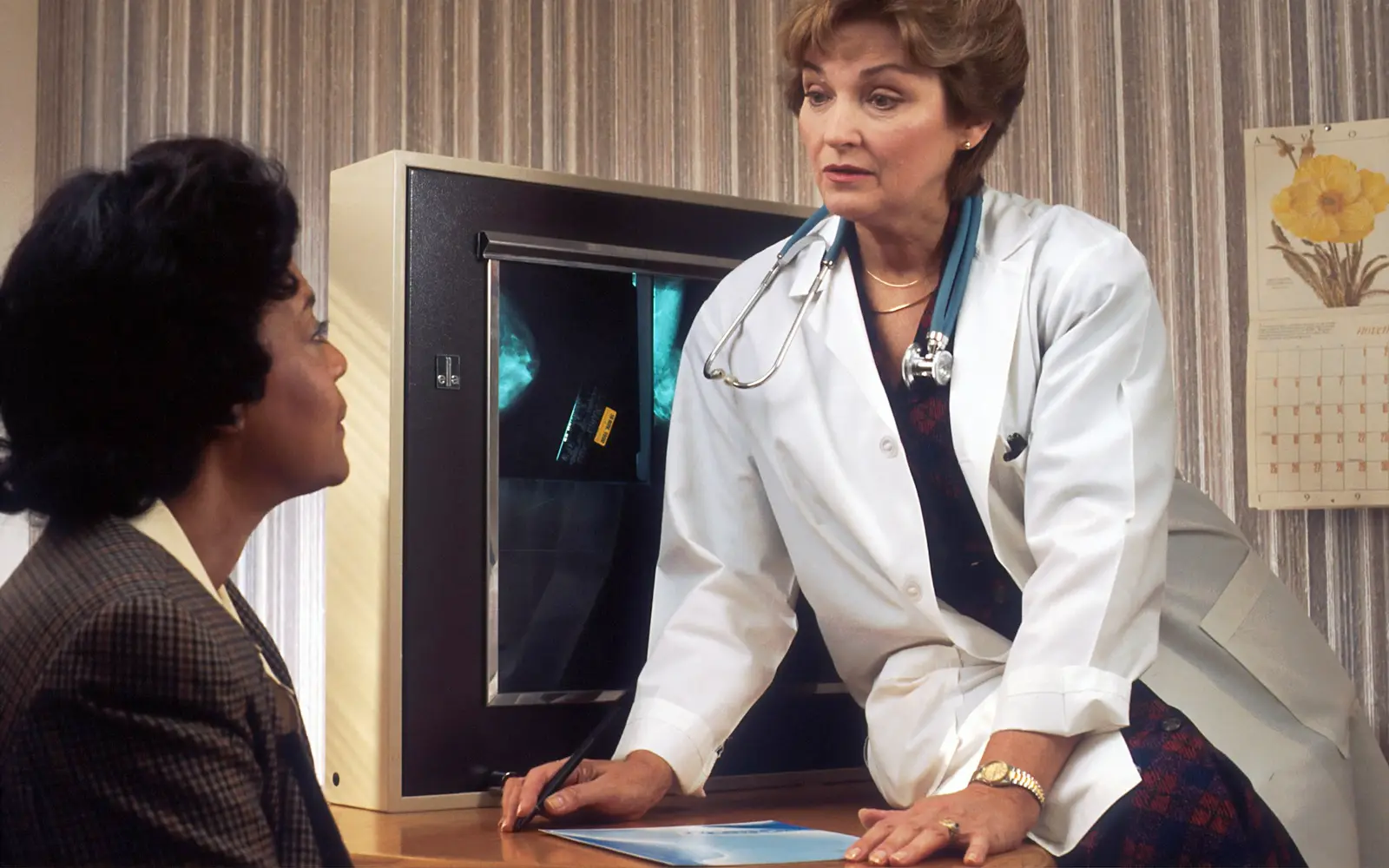
These cancers sit close to the parts of the body you use to eat, speak, breathe and swallow. That shapes treatment. The aim is to remove or destroy the cancer while keeping as much of those functions as possible, and the plan usually involves a head and neck surgeon, a radiation oncologist, a medical oncologist, a reconstructive surgeon, a dentist, a speech and swallowing therapist and a dietitian. A tumour board, the meeting where these specialists review a case together, brings their views into one recommendation.
If a feeding tube or a sore mouth is likely during treatment, we look for a stay with a kitchen, so soft and liquid meals can be made the way the patient can manage them.
Who needs it
Treatment is planned for anyone with a biopsy showing cancer in the head and neck region. Most of these cancers are squamous cell carcinoma, which grows from the flat cells lining the mouth and throat. Signs that usually lead to a biopsy include a mouth ulcer that has not healed in three weeks, a white or red patch, a lump in the neck, hoarseness lasting more than a few weeks, and pain or difficulty when swallowing.
The choice of treatment depends on:
- Where the tumour is. Mouth cancers are usually treated with surgery first. Throat and voice box cancers are often treated with radiation and chemotherapy, which may avoid removing the voice box.
- Stage. Staging tells the team how large the tumour is, whether lymph nodes in the neck are involved, and whether it has spread further. Early cancers may need one type of treatment. Advanced cancers usually need two or three.
- HPV status for throat cancers, tested on the biopsy with a marker called p16.
- General health, teeth and nutrition. Many patients have lost weight by the time of diagnosis, and that needs attention before treatment starts.
To prepare quotes, hospitals generally want the biopsy report, any CT, MRI or PET-CT scans with the images, clear photos of a mouth lesion if there is one, and a short history of tobacco or nut use. On the quote form you can name a preferred country, or leave it open and let hospitals in several countries quote.
How it is done
Assessment
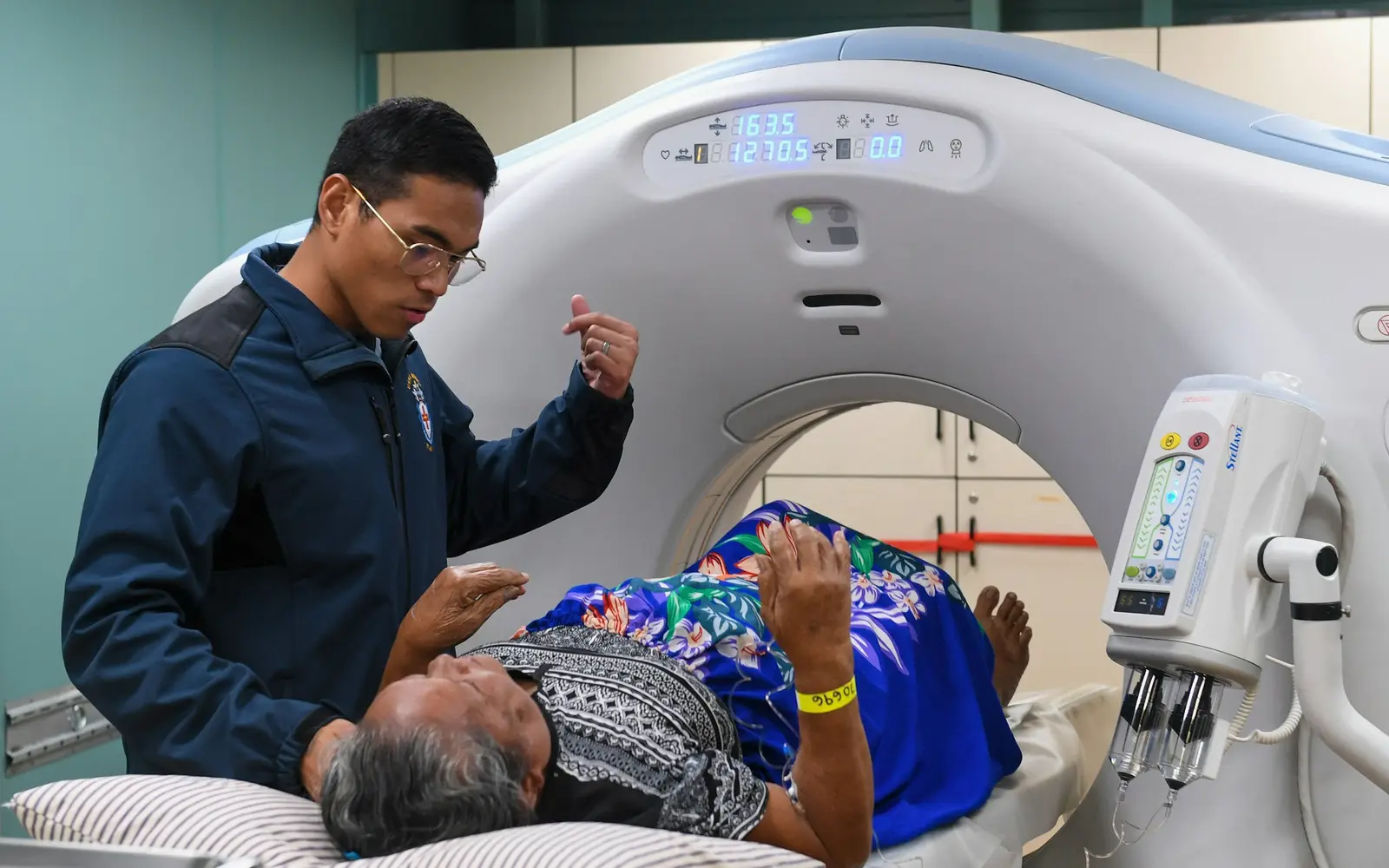
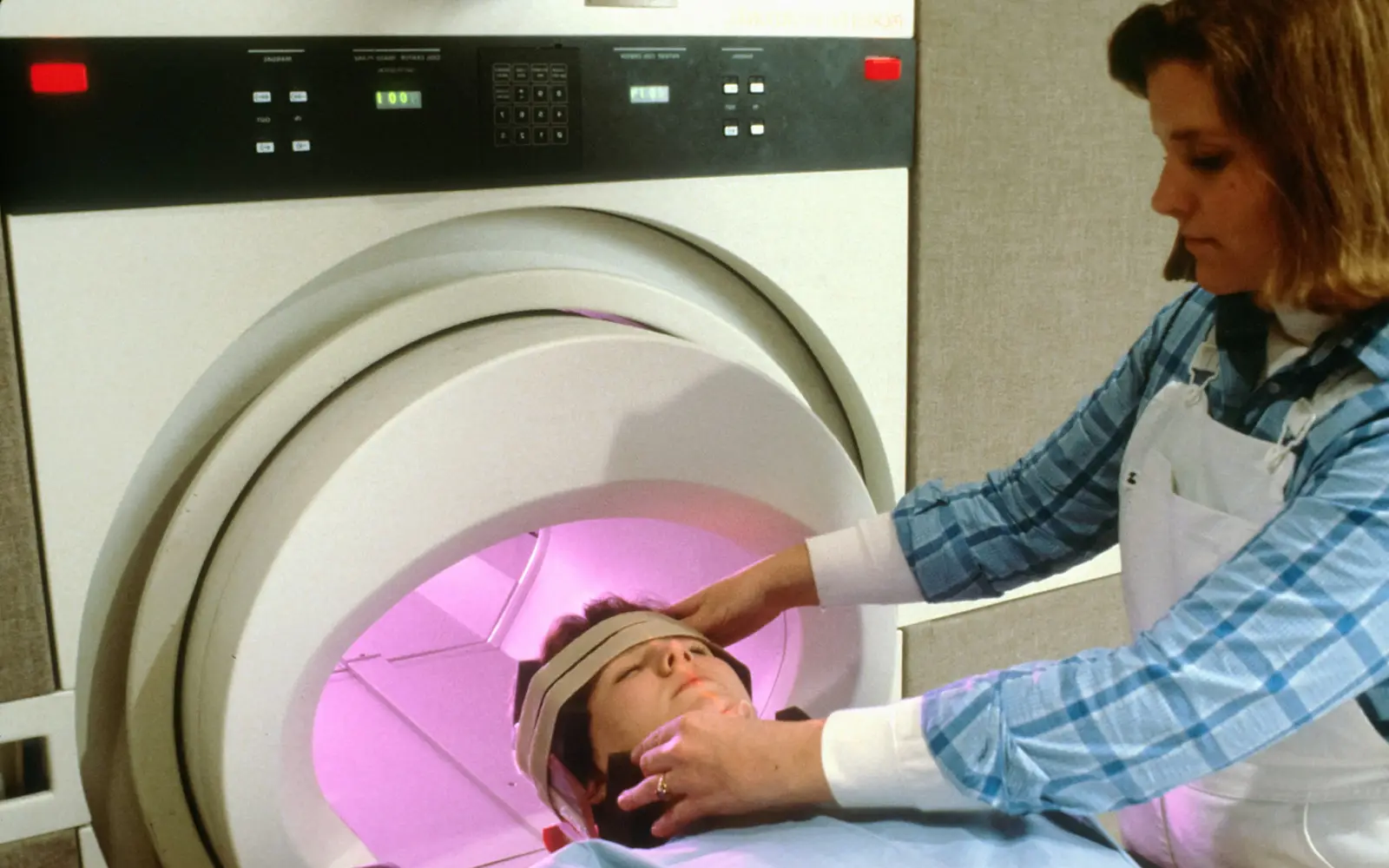
The first days usually include an examination of the throat with a thin camera (endoscopy), a fresh or reviewed biopsy, and imaging. A CT or MRI shows the tumour and neck nodes in detail. A PET-CT, which uses an injection of slightly radioactive sugar to highlight active cancer, checks the rest of the body. A dental check is also part of the workup, because radiation to the jaw makes later tooth extractions risky. Badly damaged teeth are usually removed before radiation begins.
Surgery
For mouth cancers, the surgeon removes the tumour with a margin of normal tissue. This might be part of the tongue, the floor of the mouth or part of the jaw bone. A neck dissection, the removal of lymph nodes from one or both sides of the neck, is often done in the same operation, because these cancers tend to spread to the neck nodes early.
When a large area is removed, a reconstructive surgeon rebuilds it in the same operation with a free flap. This is tissue moved from the forearm, thigh or lower leg (the fibula bone, when the jaw needs rebuilding), with its blood vessels reconnected under a microscope. Some patients have a temporary tracheostomy, a small opening in the front of the neck that helps breathing while the swelling settles, and a feeding tube for the first days.
Some smaller tumours of the throat and voice box can be removed through the mouth with laser or robotic surgery, without cuts on the outside of the neck.
Radiation and chemotherapy
Radiation is used either as the main treatment or after surgery to lower the chance of the cancer returning. It is usually given as IMRT (intensity-modulated radiotherapy), which shapes the beam closely to the tumour and helps spare the salivary glands and swallowing muscles. A course is typically 30 to 35 sessions, one each weekday over six to seven weeks. When the risk is higher, the oncologist adds chemotherapy, often a drug called cisplatin given weekly or every three weeks during radiation. After surgery, radiation should usually begin within about six weeks, once the wounds have healed.
Before radiation, a plastic mask is moulded to your face and shoulders to hold your head in exactly the same position each day. It feels firm but does not hurt.
Recovery and how long you stay
After major surgery with a free flap, most patients stay in hospital for about 7 to 14 days. Nurses watch the flap closely for the first few days. The tracheostomy tube is usually removed before discharge, and speech and swallowing therapy begins on the ward.
How long the family stays abroad depends on what follows:
- Surgery alone, for an early cancer: around three to four weeks, including tests, the hospital stay and a wound check before flying.
- Surgery followed by radiation, with or without chemotherapy: around three months. That covers the operation, healing, radiation planning and the six to seven week course.
- Radiation with chemotherapy as the main treatment: around eight to nine weeks.
Radiation side effects build up over the course and peak in the final week and the fortnight after it. A sore mouth and throat, dry mouth, changes in taste, red skin on the neck and tiredness are expected. Some patients need a feeding tube for a while to keep their weight up. This is one reason we arrange accommodation close to the hospital, so daily trips are short, and why your coordinator checks in with the family regularly through the radiation weeks.
Speech and swallowing keep improving for months after you return home. Ask the therapist for written exercises, and ask the team for a follow up schedule, since checks are frequent in the first two years.
Questions to ask your surgeon
- Where exactly is the cancer, and what stage is it?
- Will you remove lymph nodes from the neck, on one side or both?
- How will you rebuild the area, and where will the tissue come from?
- Will I need a tracheostomy or a feeding tube, and for how long?
- How might this affect my speech, swallowing and appearance?
- Do I need radiation or chemotherapy afterwards, and when would it start?
- Do any teeth need to come out before radiation?
- Which follow up checks will I need at home, and who will review the scans?
These are hard conversations, and it is normal to need them twice. You can ask for a second meeting after you have had time to think as a family, and the interpreter will be there again.
Indicative cost by country
Ranges for a standard case at a private hospital. They help you plan; your chosen hospital's quote for your case is the figure to plan around.
- IndiaIndicative priceUS$7,000 to US$16,000Hospital stay7 to 14 daysTotal time in the country21 to 90 days
What the range usually covers: Surgery only: removal of the tumour with neck dissection, flap reconstruction where needed, and the listed hospital days. Radiotherapy and chemotherapy are quoted separately.
- TurkeyIndicative priceUS$8,000 to US$18,000Hospital stay7 to 14 daysTotal time in the country21 to 90 days
What the range usually covers: Surgery only: removal of the tumour with neck dissection, flap reconstruction where needed, and the listed hospital days. Radiotherapy and chemotherapy are quoted separately.
- ThailandIndicative pricePrice on requestHospital stay7 to 14 daysTotal time in the country21 to 90 days
What the range usually covers: Surgery only: removal of the tumour with neck dissection, flap reconstruction where needed, and the listed hospital days. Radiotherapy and chemotherapy are quoted separately.
- MalaysiaIndicative pricePrice on requestHospital stay7 to 14 daysTotal time in the country21 to 90 days
What the range usually covers: Surgery only: removal of the tumour with neck dissection, flap reconstruction where needed, and the listed hospital days. Radiotherapy and chemotherapy are quoted separately.
- MexicoIndicative pricePrice on requestHospital stay7 to 14 daysTotal time in the country21 to 90 days
What the range usually covers: Surgery only: removal of the tumour with neck dissection, flap reconstruction where needed, and the listed hospital days. Radiotherapy and chemotherapy are quoted separately.
Indicative range. Your final cost depends on your reports and the hospital you choose.
Questions families ask
Will my father be able to speak and eat normally after surgery?
It depends on where the cancer is and how much tissue is removed. Many patients speak and eat again after reconstruction and therapy, though speech or swallowing may change, especially after surgery on the tongue or voice box. Ask the surgeon and the speech and swallowing therapist to explain what to expect in your father's case before the operation.
Why do I need a dental check before radiation?
Radiation to the jaw reduces its blood supply, so a tooth taken out after treatment can heal poorly and damage the bone. Teeth that are badly decayed are usually removed before radiation starts, with a gap of about two weeks for healing. Good mouth care during and after treatment matters for the rest of your life.
What is a free flap?
A free flap is a piece of skin, muscle or bone taken from another part of your body, such as the forearm, thigh or lower leg, and moved to rebuild the area where the cancer was removed. Its small blood vessels are joined to vessels in the neck under a microscope. It is usually done in the same operation as the cancer surgery.
Can radiation be done at home after surgery abroad?
Sometimes, if a radiation centre with IMRT is available in your country and can start within about six weeks of surgery. Delays beyond that can make treatment less effective, so the timing needs planning before you travel. Ask the treating team to send a full summary and their radiation recommendation to the doctor at home.
Does tobacco or betel nut use have to stop?
Doctors strongly advise stopping all tobacco, betel nut and areca nut, and alcohol, before and after treatment. Continuing raises the risk of side effects during radiation and of a new cancer in the mouth or throat later. The hospital can offer help with stopping.
This page is general information. Your treating doctor decides your treatment plan.