Overview
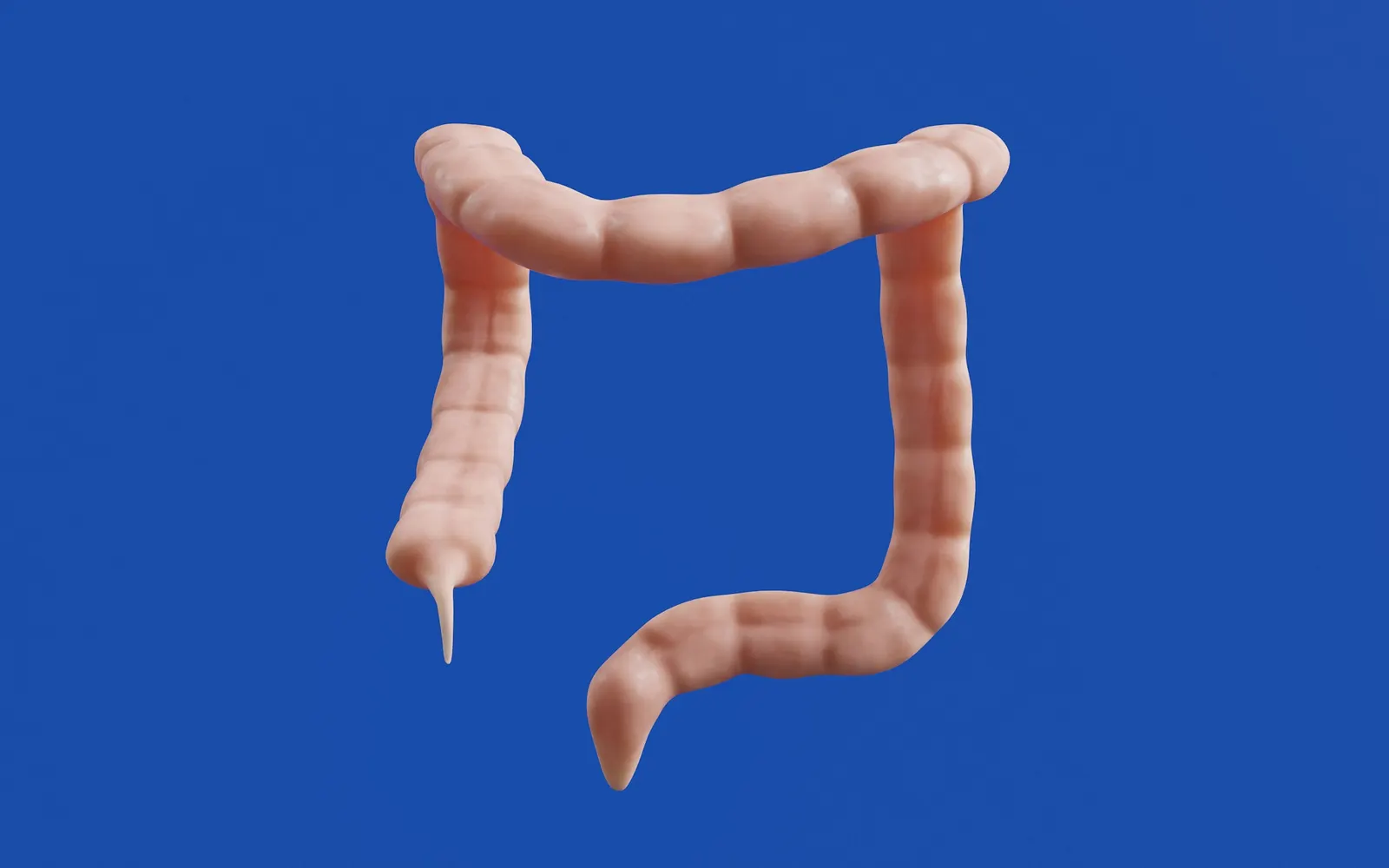
Colorectal cancer, often called bowel cancer, starts in the large bowel. The colon is the long, wide part of the large bowel. The rectum is its last section, roughly the final 15 centimetres before the anus. Doctors group the two together, but the treatment differs in one important way. Colon cancer is usually treated with surgery first. Rectal cancer sits in the narrow space of the pelvis, close to the bladder, the reproductive organs and the muscles that control the bowel, so many patients have radiation or chemotherapy before their operation.
The core of treatment for both is an operation that removes the part of the bowel holding the cancer, together with the fatty tissue and lymph nodes around it. Lymph nodes are small glands that filter fluid from the tissues, and cancer often reaches them first. The pathologist checks every node removed, and the result decides whether chemotherapy afterwards is advised.
Many families arrive anxious about one thing above all: a stoma, an opening on the tummy where the bowel empties into a bag. Below we explain when one is likely and when it is temporary. We arrange the stay, the transport and an interpreter, so you can ask the surgeon directly before the operation.
Who needs it
Colorectal cancer is confirmed with a colonoscopy, a test in which a thin flexible camera is passed through the back passage to look at the whole large bowel and take biopsies (small samples of tissue). Very early cancers found inside a polyp can sometimes be removed completely during colonoscopy, without an operation.
For everyone else, the plan depends on where the tumour is and how far it has spread:
- Colon cancer, stages I to III: surgery to remove the affected section. Chemotherapy is usually advised after surgery when lymph nodes contain cancer (stage III), and sometimes for higher risk stage II disease.
- Rectal cancer, early: surgery alone may be enough.
- Rectal cancer, larger or with affected nodes: radiation, usually with chemotherapy, then surgery. Some centres now give all the chemotherapy before the operation too.
- Cancer that has spread: treatment is mainly with drugs, but when the spread is limited to a few spots in the liver or lungs, surgery to remove them may still be possible.
To prepare a quote, hospitals generally ask for the colonoscopy and biopsy reports, the CT scan of the chest, abdomen and pelvis (images on a disc or link, not only the report), an MRI of the pelvis for rectal cancer, and a recent CEA result. You can name a preferred country on the quote form, or let hospitals in several countries quote.
How it is done
Staging tests
The first days abroad usually complete the picture:
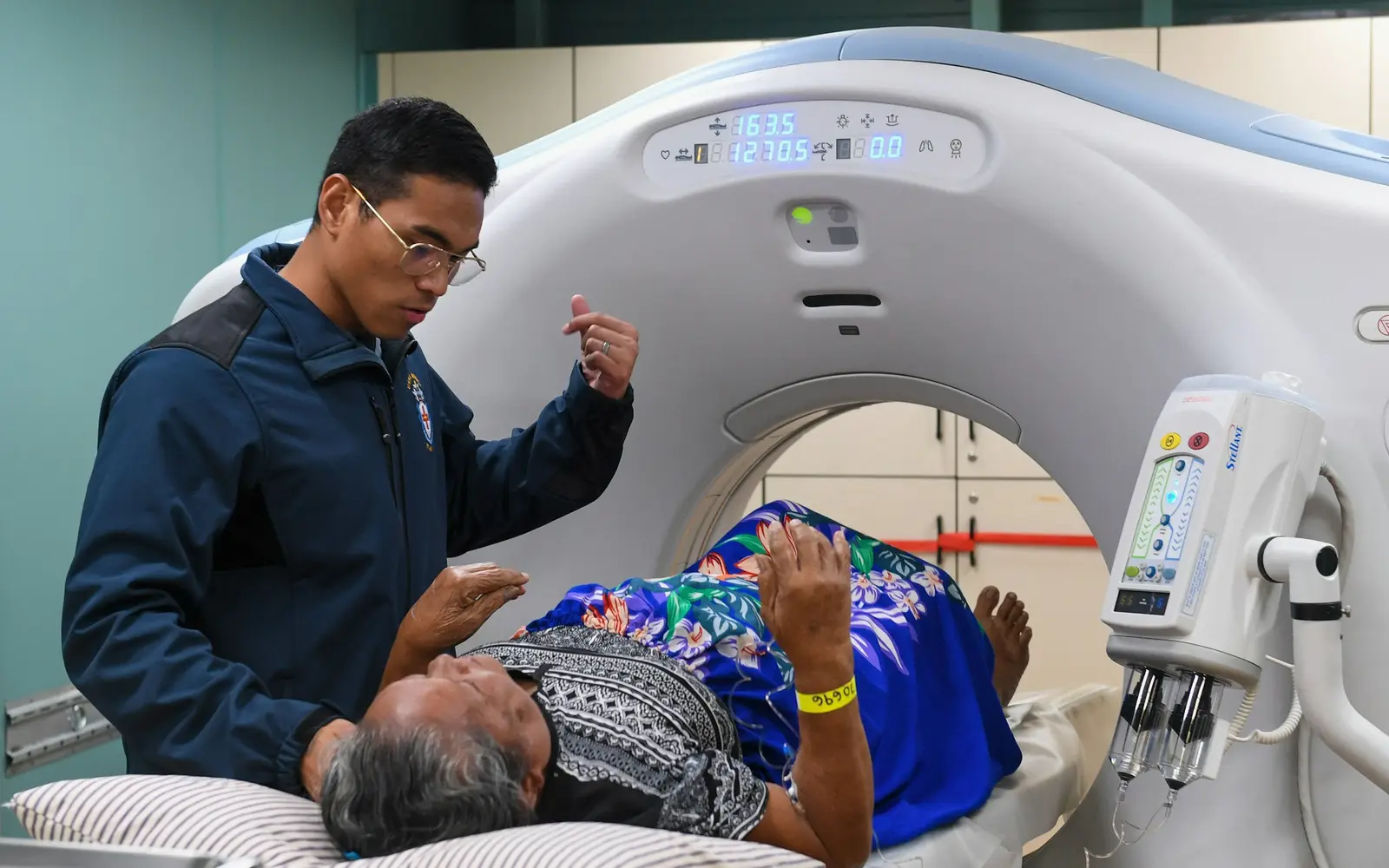
- CT scan of the chest, abdomen and pelvis, to check the liver, the lungs and the lymph nodes.
- MRI of the pelvis for rectal cancer. It shows how deep the tumour has grown into the bowel wall and how close it is to the surrounding tissue, which guides the decision on radiation before surgery.
- CEA (carcinoembryonic antigen), a blood test. Some bowel cancers release this protein, and a raised level before surgery gives a baseline for follow up.
- A repeat colonoscopy, if the first did not reach the whole bowel, because a second tumour elsewhere changes the operation.
- Tumour tests on the biopsy, including mismatch repair (MMR) testing, which looks at how the cancer cells repair their DNA and can affect drug choices.
A tumour board, a meeting of surgeons, oncologists, radiologists and pathologists, then agrees the plan.
Surgery for colon cancer
The operation is named after the section removed. A right hemicolectomy removes the right side of the colon, a left hemicolectomy the left side, and a sigmoid colectomy the S-shaped part just above the rectum. The surgeon then joins the two healthy ends, a join called an anastomosis. Most colon operations do not need a stoma.
Many hospitals do these operations by laparoscopy (keyhole surgery through several small cuts with a camera). Some offer robotic surgery, where the surgeon controls the instruments from a console. Not every hospital has a robotic system, and some tumours still need open surgery.
Surgery for rectal cancer
The usual operation is an anterior resection with total mesorectal excision, which removes the rectum with the envelope of fatty tissue and lymph nodes that surrounds it. When the join is very low, the surgeon often makes a temporary ileostomy (the small bowel brought out to the skin) for two to three months while the join heals, then closes it in a shorter second operation. If the tumour involves the anal muscles, an abdominoperineal resection removes the rectum and anus, and the colostomy is permanent.
Treatment before surgery for rectal cancer
Long course chemoradiation means radiation every weekday for about five weeks, with chemotherapy tablets or drips alongside. A short course is five days of radiation, often followed by chemotherapy. Surgery usually comes several weeks after radiation ends, once the tissues have settled. In a few centres, patients whose tumour disappears completely on scans and examination may be offered close monitoring instead of an operation.
Recovery and how long you stay
Most hospitals follow an enhanced recovery plan: eating lightly within a day of surgery, walking early, and removing drips and tubes as soon as it is safe. After a keyhole colon operation many patients go home in five to seven days. Rectal surgery, open surgery or a complication such as a leak from the join can mean ten days or more.
If you have a stoma, a stoma nurse visits before the operation to mark the best place on your tummy and after it to teach you to empty and change the bag. Practise until you can do it alone, and take several weeks of supplies home, because brands differ between countries.
For colon or rectal surgery without treatment beforehand, plan for three to five weeks in the country. That covers about a week of tests and consultations, the hospital stay, and two to three weeks nearby until the surgeon has reviewed the pathology and your wound. Many surgeons suggest waiting at least ten days to two weeks after abdominal surgery before a long flight. If radiation comes first, the whole plan can take three months or more, so many families agree a written plan to have the early part at home.
After rectal surgery, bowel habits often change for months, with urgency or frequent small motions. Chemotherapy after surgery usually lasts three to six months and can often continue at home with the protocol the oncologist writes out. Follow up usually includes CEA tests, CT scans and a colonoscopy, typically about a year after surgery.
Questions to ask your doctor
- Is the tumour in the colon or the rectum, and what is the stage?
- Will I need radiation or chemotherapy before the operation?
- Which operation do you suggest, and will it be keyhole, robotic or open?
- Is a stoma likely, will it be temporary, and when would it be closed?
- How many lymph nodes do you expect to examine?
- What were the MMR results, and do they change the drug plan?
- If there is spread to the liver, has a liver surgeon reviewed my scans?
- Which follow up tests do I need, and can my doctor at home arrange them?
Your doctor at home will need the operation note, the pathology report and the drug plan. Your coordinator collects copies of each before you fly, so nothing is lost between two health systems.
Indicative cost by country
Ranges for a standard case at a private hospital. They help you plan; your chosen hospital's quote for your case is the figure to plan around.
- IndiaIndicative priceUS$4,000 to US$9,000Hospital stay5 to 10 daysTotal time in the country21 to 35 days
What the range usually covers: Surgery only: colon or rectal cancer resection (open, keyhole or robotic) with lymph nodes, anaesthesia, pathology and the listed hospital days. Staging scans, chemotherapy, radiotherapy, stoma closure and liver surgery are quoted separately.
- TurkeyIndicative priceUS$9,000 to US$20,000Hospital stay5 to 10 daysTotal time in the country21 to 35 days
What the range usually covers: Surgery only: colon or rectal cancer resection (open, keyhole or robotic) with lymph nodes, anaesthesia, pathology and the listed hospital days. Staging scans, chemotherapy, radiotherapy, stoma closure and liver surgery are quoted separately.
- ThailandIndicative priceUS$10,000 to US$25,000Hospital stay5 to 10 daysTotal time in the country21 to 35 days
What the range usually covers: Surgery only: colon or rectal cancer resection (open, keyhole or robotic) with lymph nodes, anaesthesia, pathology and the listed hospital days. Staging scans, chemotherapy, radiotherapy, stoma closure and liver surgery are quoted separately.
- MalaysiaIndicative priceUS$6,000 to US$15,000Hospital stay5 to 10 daysTotal time in the country21 to 35 days
What the range usually covers: Surgery only: colon or rectal cancer resection (open, keyhole or robotic) with lymph nodes, anaesthesia, pathology and the listed hospital days. Staging scans, chemotherapy, radiotherapy, stoma closure and liver surgery are quoted separately.
- MexicoIndicative priceUS$8,000 to US$20,000Hospital stay5 to 10 daysTotal time in the country21 to 35 days
What the range usually covers: Surgery only: colon or rectal cancer resection (open, keyhole or robotic) with lymph nodes, anaesthesia, pathology and the listed hospital days. Staging scans, chemotherapy, radiotherapy, stoma closure and liver surgery are quoted separately.
Indicative range. Your final cost depends on your reports and the hospital you choose.
Questions families ask
Will my father need a bag for the rest of his life?
Most people with colon cancer do not need a stoma at all, and many with rectal cancer have only a temporary one. A temporary ileostomy protects a low join in the bowel while it heals and is usually closed in a short second operation a few months later. A permanent colostomy is mainly needed when the tumour sits very close to the anal muscles, and the surgeon can tell you before the operation which is likely.
Why is my rectal cancer being treated with radiation before surgery?
For many rectal cancers that are larger or have reached nearby lymph nodes, radiation with or without chemotherapy before the operation lowers the chance of the cancer coming back in the pelvis and can shrink the tumour. The surgery then follows some weeks later. Some patients have this part in their own country and travel for the operation, if the plan is agreed in writing by both teams.
The cancer has spread to the liver. Can it still be operated on?
Sometimes, yes. When the spots in the liver are limited in number and position, a liver surgeon may be able to remove them, either at the same time as the bowel operation or in a separate one, often with chemotherapy before or after. Whether this is possible depends on scans reviewed by both the bowel and liver surgeons, so send the latest CT or MRI with your enquiry.
Is robotic surgery better than laparoscopic surgery?
Both are keyhole methods and both use small cuts instead of one long one. Robotic systems give the surgeon a steadier, magnified view, which some surgeons find useful deep in the pelvis for rectal cancer. The surgeon's own experience with the method matters a great deal, and robotic surgery usually costs more, so ask each hospital which approach it suggests for your case and why.
Can I fly home with a stoma?
Yes. People with a stoma fly regularly. Carry at least twice the bags and supplies you expect to need in your hand luggage, with pre-cut bags or scissors packed in the hold, and a letter from the hospital that explains the stoma for security checks. The stoma nurse can show you how to manage changes during a long flight.
This page is general information. Your treating doctor decides your treatment plan.