Overview
A heart that beats too slowly rarely makes a loud announcement. It tends to show up as tiredness that sleep does not fix, dizzy spells when standing, breathlessness on the stairs, or a sudden faint with no warning. These are easy to put down to age until an ECG shows the real cause.
A pacemaker is a small battery-powered device, roughly the size of a matchbox, that watches your heartbeat and sends a tiny electrical signal when the heart is too slow or pauses. You do not feel these signals. The device sits under the skin below the collarbone and connects to the heart through one or two thin insulated wires called leads.
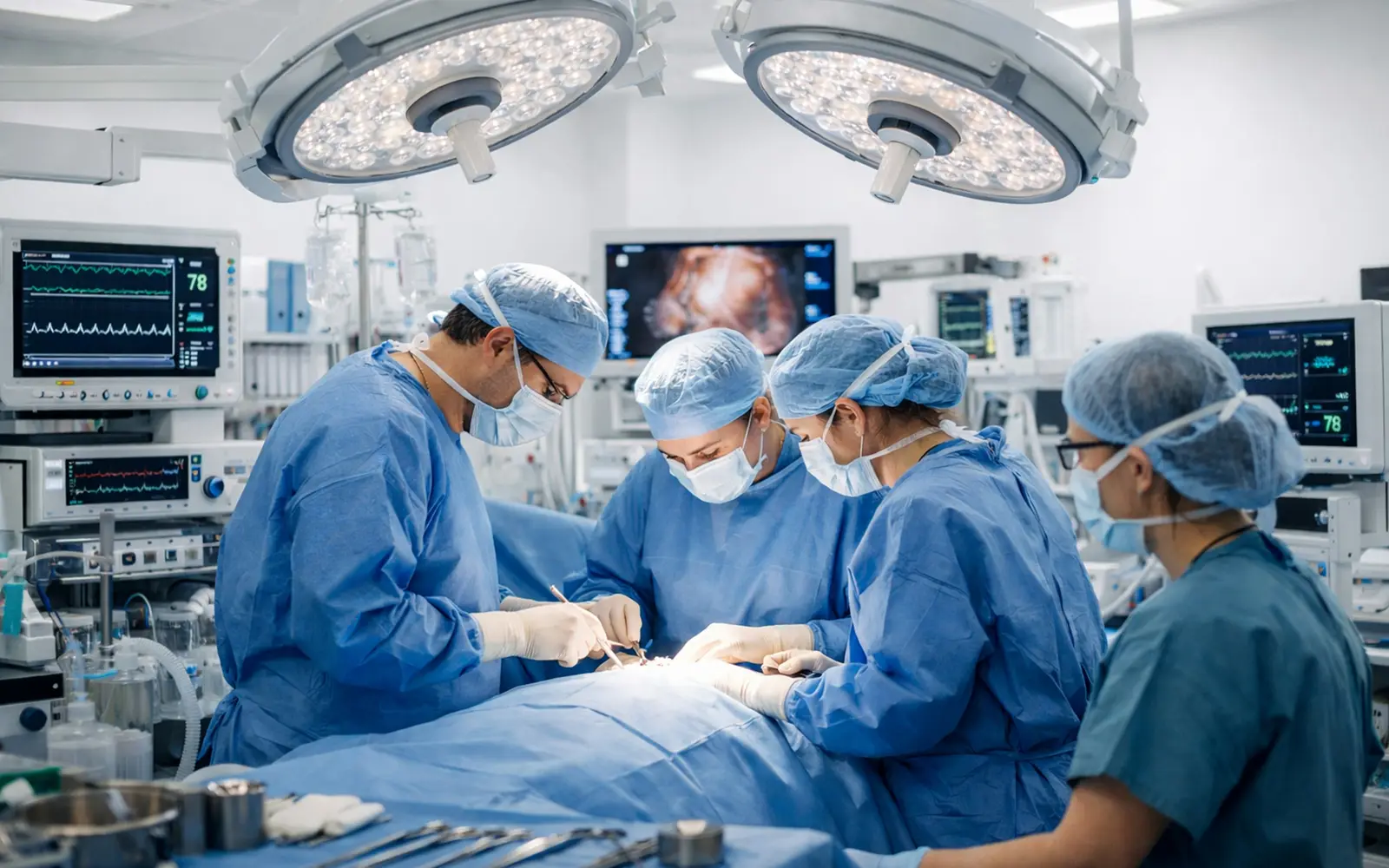
Fitting a pacemaker is not open heart surgery. It is done through a small cut, with you awake and the area numbed, and most people go home the next day.
Who needs it
The heart has its own electrical system. A natural pacemaker in the upper chamber fires the signal, and that signal travels down to the lower chambers to make them pump. A pacemaker is usually advised when this system fails in one of these ways:
- Heart block. The signal from the upper chambers is delayed or stopped before it reaches the lower chambers.
- Sick sinus syndrome. The natural pacemaker fires too slowly, pauses, or swings between slow and fast rhythms.
- Slow atrial fibrillation. An irregular rhythm where the lower chambers beat too slowly.
- Heart failure with delayed signals. A special pacemaker that paces both lower chambers, called CRT (cardiac resynchronisation therapy), can help them pump together.
Before recommending a device, the cardiologist looks for causes that can be reversed. Some blood pressure and heart medicines slow the heart, as can low thyroid hormone levels or high potassium in the blood. Sometimes adjusting these is enough.
Doctors may also discuss an ICD (implantable cardioverter defibrillator). It looks similar but is designed to stop dangerous fast rhythms with a shock, and it is a different decision. If both have been mentioned, ask which one your reports point to.
How it is done
Tests before the procedure
Usually these take a day. You can expect an ECG (a tracing of the heart's electrical activity), and often a Holter monitor if one has not been done at home. This is a small recorder worn for 24 to 48 hours to catch slow rhythms that come and go. You will also have an echocardiogram (an ultrasound scan of the heart) to check pumping strength, blood tests including potassium, thyroid and clotting, and a medicine review. If you take blood thinners, the team will tell you whether to pause them.
The procedure
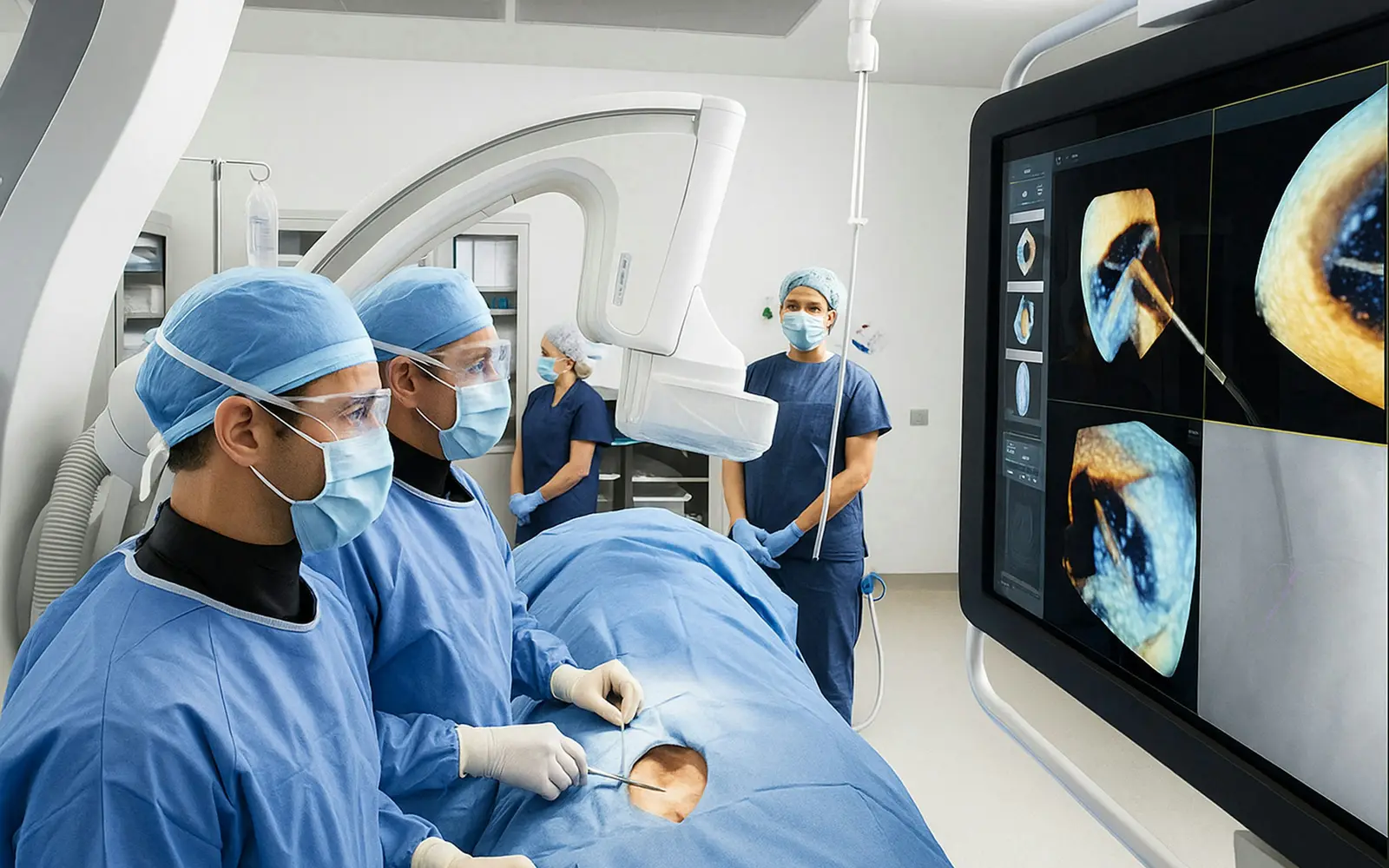
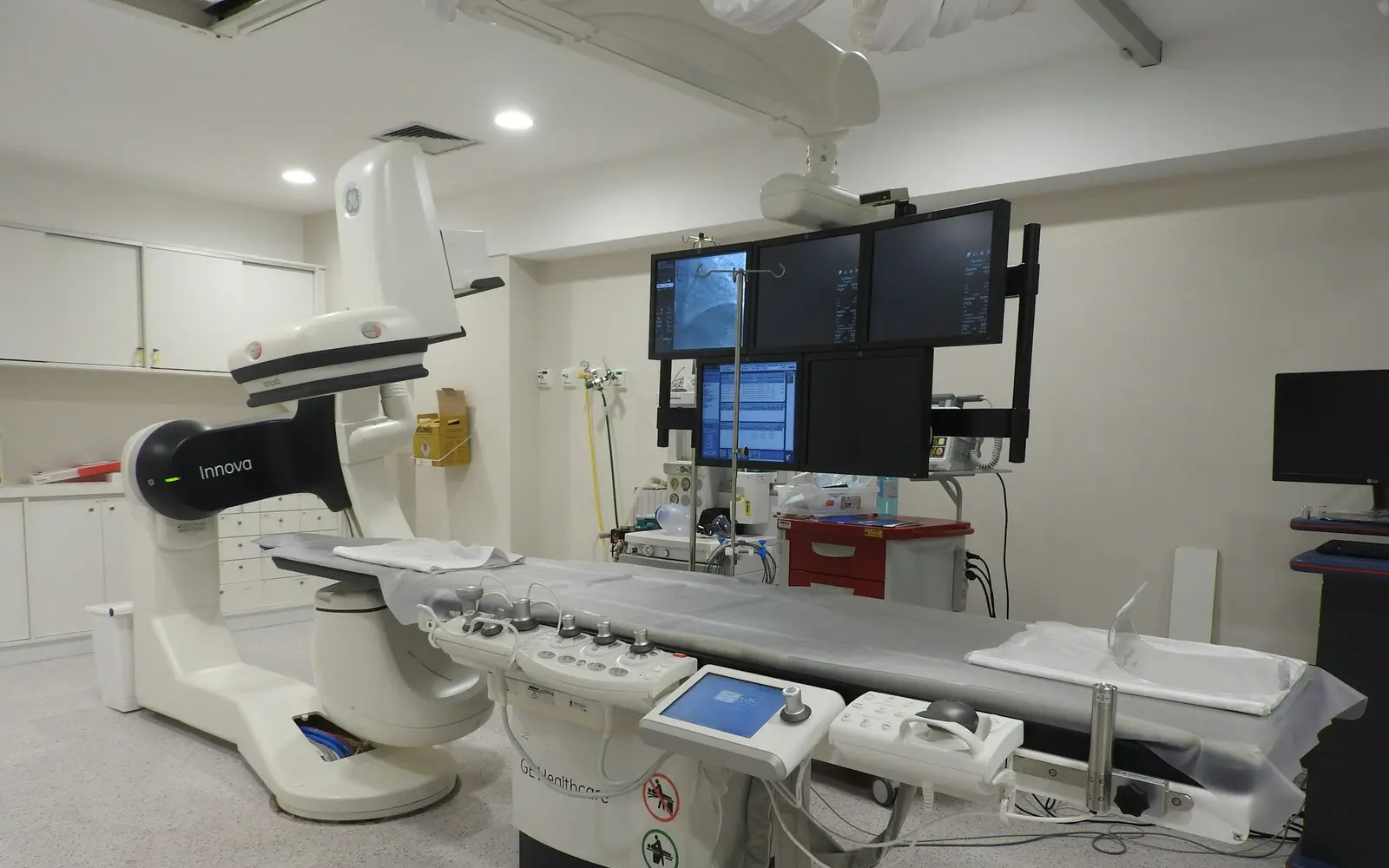
You lie in a catheter laboratory. The skin below the collarbone, usually on the left, is numbed with local anaesthetic, and you are given sedation to keep you calm. The cardiologist makes a cut of a few centimetres and guides the leads through a vein into the heart using live X-ray pictures. Each lead is fixed to the heart wall and tested. The pacemaker is connected to the leads and placed in a small pocket under the skin, and the cut is closed. The whole procedure usually takes about an hour, sometimes longer for a CRT device.
Some patients are suitable for a leadless pacemaker. This is a small capsule placed directly inside the heart through a vein in the groin, with no leads and no pocket under the skin. It suits certain rhythm problems only, so ask whether it applies to you.
Choosing a device you can have checked at home
There are several pacemaker manufacturers, and each one needs its own programming machine to check the device. Before the procedure, ask your clinic at home which brands they can check. Tell your coordinator, who passes this on to the hospitals when they quote. That works the same whether you name one preferred country on the quote form or ask hospitals in several countries to quote. Without this step, you might fly home with a device no local clinic can read.
Recovery and how long you stay
Most people stay one night in hospital, sometimes two or three. Before discharge, you will have a chest X-ray to check the lead positions and the lungs, and a device check through a wand placed over the skin. You will be given a pacemaker identification card listing the make, model and settings. Keep it with your passport.
For the first four to six weeks, the leads are settling into the heart wall. During this time cardiologists usually advise:
- keeping the arm on the pacemaker side below shoulder height
- not lifting heavy bags with that arm, and leaving swimming and golf for later
- keeping the wound dry for the first several days, as the nurses direct
- reporting any redness, swelling, discharge or fever
Your own cardiologist will give you the exact limits and tell you when they end.
Many hospitals close the wound with dissolving stitches. If yours are the ordinary kind, they come out about 7 to 10 days after the procedure. Plan on 6 to 10 days in total in the country where you are treated, so the wound can be checked before you leave. Flying is often allowed a couple of days after an uncomplicated implant, but staying for the wound check is the safer plan.
When you are discharged, we send the device details to your clinic at home so it can book the first check, usually a few weeks after the implant.
Questions to ask your doctor
- What rhythm problem do my reports show, and why is a pacemaker the right answer for it?
- Will I have a single chamber, dual chamber or CRT device?
- Which brand and model will you use, and can my clinic at home check it?
- Is the system MRI conditional?
- Am I suitable for a leadless pacemaker?
- What settings will the device have, and when is the first check due?
On the way home, carry the device card in your hand luggage and not in a checked bag. At security before your flight home, and again at any transit airport, show it before you reach the arch, so staff can check you by hand instead of holding a wand over the device.
Indicative cost by country
Ranges for a standard case at a private hospital. They help you plan; your chosen hospital's quote for your case is the figure to plan around.
- IndiaIndicative priceUS$4,000 to US$7,500Hospital stay1 to 3 daysTotal time in the country6 to 10 days
What the range usually covers: A standard single or dual chamber pacemaker, the implant procedure, cardiologist fees and a short hospital stay. Excludes CRT and ICD devices, flights and hotel.
- TurkeyIndicative priceUS$7,000 to US$13,000Hospital stay1 to 3 daysTotal time in the country6 to 10 days
What the range usually covers: A standard single or dual chamber pacemaker, the implant procedure, cardiologist fees and a short hospital stay. Excludes CRT and ICD devices, flights and hotel.
- ThailandIndicative priceUS$12,000 to US$18,000Hospital stay1 to 3 daysTotal time in the country6 to 10 days
What the range usually covers: A standard single or dual chamber pacemaker, the implant procedure, cardiologist fees and a short hospital stay. Excludes CRT and ICD devices, flights and hotel.
- MalaysiaIndicative priceUS$5,000 to US$13,500Hospital stay1 to 3 daysTotal time in the country6 to 10 days
What the range usually covers: A standard single or dual chamber pacemaker, the implant procedure, cardiologist fees and a short hospital stay. Excludes CRT and ICD devices, flights and hotel.
- MexicoIndicative priceUS$8,000 to US$11,000Hospital stay1 to 3 daysTotal time in the country6 to 10 days
What the range usually covers: A standard single or dual chamber pacemaker, the implant procedure, cardiologist fees and a short hospital stay. Excludes CRT and ICD devices, flights and hotel.
Indicative range. Your final cost depends on your reports and the hospital you choose.
Questions families ask
Can I use a mobile phone with a pacemaker?
Yes. Device makers usually advise keeping the phone about 15 centimetres from the pacemaker, which in practice means holding it to the ear on the opposite side and not carrying it in a shirt pocket over the device. Household appliances such as microwaves and televisions are fine to use.
How long does the battery last?
Pacemaker batteries usually last many years, and how long depends on how often the device needs to pace your heart. The battery is checked at every follow-up visit, so a replacement is planned well in advance. Changing the generator is a shorter procedure than the first implant, and the leads are usually left in place.
Can I have an MRI scan with a pacemaker?
Many modern pacemakers are designed to be safe in an MRI scanner under specific conditions, but older or mixed systems may not be. Ask whether your device and leads are MRI conditional, and keep the details on your device card. Any scan must be arranged with the cardiology team so the device can be set correctly first.
What happens at airport security?
Show your pacemaker identification card to the security staff. Walking through the arch detector briefly is generally considered safe, but ask staff not to hold a hand-held metal detector over the device for long. The pacemaker may set off the alarm, which is expected.
Will I feel the pacemaker working?
Most people do not feel it pacing at all. You may feel the device under the skin, especially if you are slim, and the area can be sore for a week or two after the procedure. If you notice hiccups that do not stop or twitching muscles in the chest, tell your cardiologist, as the settings may need adjusting.
This page is general information. Your treating doctor decides your treatment plan.