Overview
Your immune system already looks for abnormal cells every day. Cancer survives partly by hiding from it or switching it off. Immunotherapy is the group of treatments that helps the immune system find and attack the cancer again. Two kinds come up most often, and they are very different in practice.
Checkpoint inhibitors are drugs given by drip. Immune cells called T cells carry "brakes", proteins such as PD-1 and CTLA-4 that stop them attacking the body's own tissue. Some cancers press on those brakes. Drugs such as pembrolizumab and nivolumab (both PD-1 blockers) release them, so the T cells can attack the tumour. They are used for many solid cancers, including melanoma, lung, kidney, bladder, head and neck cancers and some stomach, bowel and womb cancers, and for Hodgkin lymphoma.
CAR-T cell therapy is a personalised treatment. Your own T cells are collected, changed in a laboratory so that they carry a new receptor called a chimeric antigen receptor (CAR), grown in large numbers and returned to you by drip. The new receptor lets them recognise a marker on cancer cells, such as CD19 on many B-cell lymphomas and leukaemias, or BCMA on myeloma cells.
Both are prescribed by oncologists or haematologists. MediCurage's role is practical: finding hospitals that offer the treatment for your diagnosis, collecting their quotes and arranging the stay around the schedule.
Who needs it
Checkpoint inhibitors
Whether a checkpoint inhibitor is likely to help often depends on tests on the tumour:
- PD-L1, a protein measured on a biopsy sample. A higher level suggests a better chance of response in some cancers, such as lung cancer.
- MSI-high or dMMR (microsatellite instability or mismatch repair deficiency), a sign that the tumour cannot repair its own DNA errors properly. These tumours, found in some bowel, stomach and womb cancers, often respond well.
- Tumour mutational burden, a count of gene changes in the tumour, used in some situations.
Checkpoint inhibitors can be given alone, with chemotherapy, before surgery or after it. They are not suitable for everyone. People with active autoimmune diseases or some organ transplants need careful assessment first.
CAR-T
CAR-T is used mainly for certain blood cancers that have come back or have not responded to standard treatment. These include some large B-cell and other non-Hodgkin lymphomas, B-cell acute lymphoblastic leukaemia (particularly in children and young adults) and multiple myeloma. Each approved product has its own conditions, such as how many earlier treatments you must have had. You also need to be well enough to cope with the side effects, with adequate heart, lung and kidney function.
For a quote, hospitals ask for the biopsy report, the full treatment history with dates, the latest PET-CT or bone marrow results, and recent blood tests. You can name the country you prefer on the quote form, or ask hospitals in several countries to quote.
Where CAR-T is offered
Availability is limited and differs strongly from country to country. Some countries have approved commercial products. Others offer CAR-T only at a few university hospitals or within clinical trials. If you are treated in India, the national drug regulator, the Central Drugs Standard Control Organisation (CDSCO), has approved CAR-T products developed and made in India: the first in October 2023 for certain relapsed or refractory B-cell lymphomas and leukaemias, and a second in early 2025 for adults with relapsed or refractory B-cell non-Hodgkin lymphoma. Not every hospital offers them. MediCurage checks which hospitals in your chosen country can treat your specific diagnosis.
How it is done
A course of checkpoint inhibitors
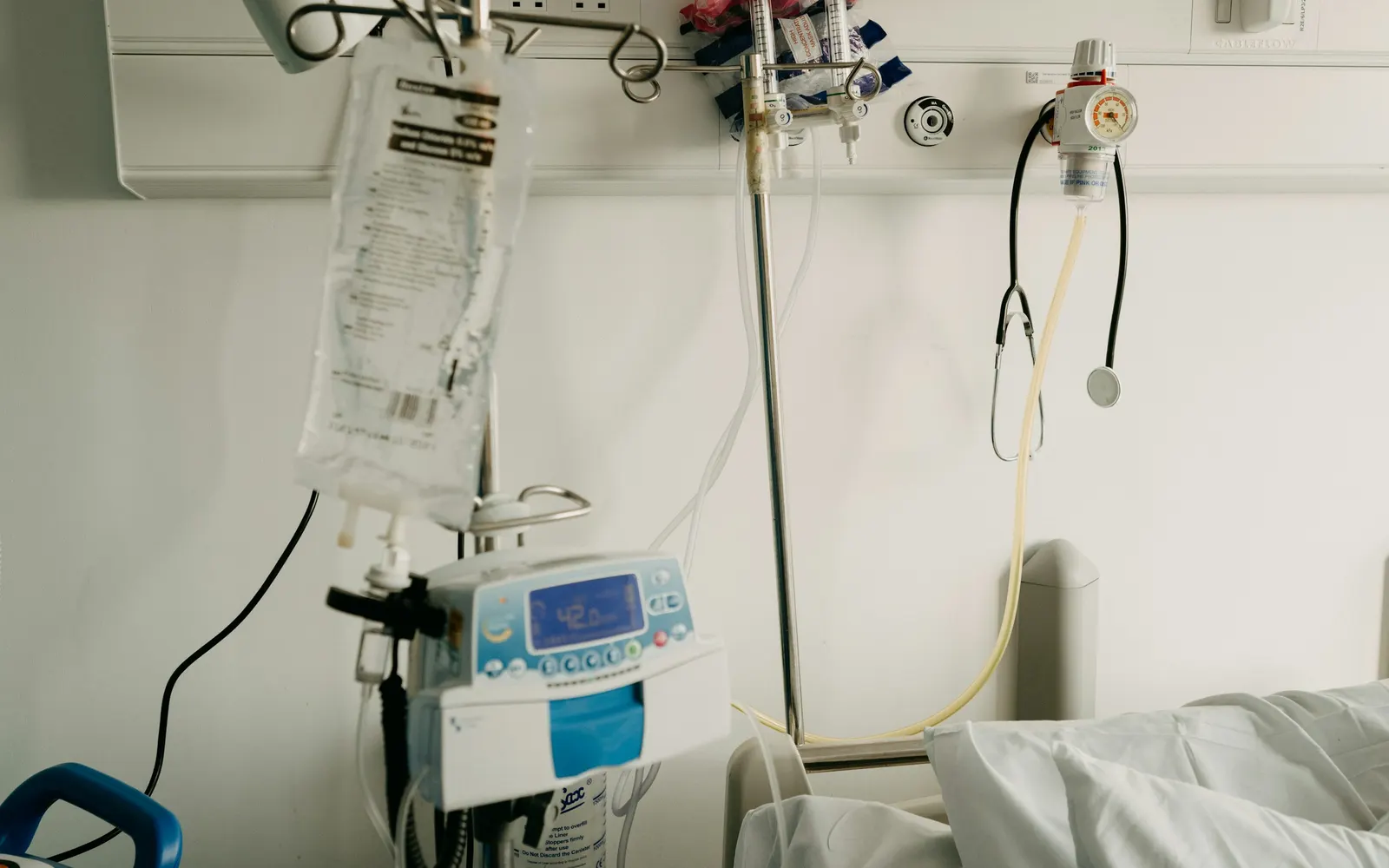
Treatment is a drip in a day care unit, usually lasting 30 to 60 minutes. Depending on the drug, it is repeated every two, three, four or six weeks, often for up to two years if it is working. Blood tests before each dose check your liver, kidneys, thyroid and blood sugar. Scans every two to three months show whether the cancer is responding.
CAR-T, step by step
- Assessment. Tests confirm the diagnosis, the target marker and your fitness.
- Collection. Your T cells are collected by apheresis, a machine that draws blood from a vein, keeps the white cells and returns the rest. It takes a few hours, as a day procedure.
- Manufacturing. The cells go to a laboratory to be modified and multiplied, which usually takes two to five weeks. Many patients receive bridging treatment during this time to keep the cancer under control.
- Lymphodepleting chemotherapy. A short course of chemotherapy, usually over about three days, lowers your existing white cells to make room for the CAR-T cells.
- Infusion. The cells are given by drip, often in less than an hour, much like a blood transfusion.
- Monitoring. You are watched closely for at least the first one to two weeks, either in hospital or with daily visits.
Side effects
Checkpoint inhibitors can cause immune-related side effects, when the released immune system inflames healthy organs. These include diarrhoea and colitis (inflamed bowel), skin rash, cough or breathlessness from pneumonitis (inflamed lungs), hepatitis (inflamed liver) and thyroid or other hormone problems. Most are treated with steroids, and treatment may be paused.
CAR-T has two main early risks. Cytokine release syndrome (CRS) happens when the activated cells release large amounts of chemical messengers, causing fever, low blood pressure and sometimes breathing difficulty. Neurotoxicity, often called ICANS, can cause confusion, difficulty finding words, shaking or, rarely, seizures. Both are known risks, and the team checks for them several times a day, with medicines ready to treat them. Low blood counts and infections can continue for weeks or months afterwards.
Recovery and how long you stay
For checkpoint inhibitors, many patients stay for the first one or two doses so the oncologist can see how they tolerate the drug, which usually means three to six weeks. If the same drug is available at home, treatment can continue there with a written plan.
CAR-T needs a much longer stay. From assessment to infusion is often four to six weeks. Afterwards, teams commonly ask patients to stay within easy reach of the centre with a caregiver for two to four weeks or longer, depending on the product and the centre, and not to drive for a period. Overall, plan for six to twelve weeks, with the chance of extending. Your caregiver must be with you around the clock in the early weeks, because confusion can start suddenly.
We book accommodation that can be extended, close enough for a quick return to the hospital at night, and keep the coordinator's number and the CAR-T team's emergency number in both your phones.
Questions to ask your doctor
- Is immunotherapy or CAR-T likely to help my type of cancer, and why?
- Which biomarker results support this choice, and are any still pending?
- How often will doses be given, and for how long?
- Which side effects should make me call you immediately?
- For CAR-T, which product would be used, and how long does manufacturing take here?
- What bridging treatment will I have while the cells are made?
- How long must I stay nearby after the infusion, and when may I fly?
- Which follow up tests, injections or vaccinations will I need at home?
Before flying, ask for a letter describing the treatment and its possible late side effects. Show it to any doctor or emergency department you visit at home, because many will not have seen a patient who has had CAR-T.
Indicative cost by country
Ranges for a standard case at a private hospital. They help you plan; your chosen hospital's quote for your case is the figure to plan around.
- IndiaIndicative priceUS$34,000 to US$60,000Hospital stay1 to 21 daysTotal time in the country21 to 90 days
What the range usually covers: The CAR-T cell product only (one treatment made from your own cells). Cell collection, bridging and lymphodepleting chemotherapy, the hospital stay, intensive care if needed, tests, flights and hotel are quoted separately.
- TurkeyIndicative pricePrice on requestHospital stay1 to 21 daysTotal time in the country21 to 90 days
What the range usually covers: The CAR-T cell product only (one treatment made from your own cells). Cell collection, bridging and lymphodepleting chemotherapy, the hospital stay, intensive care if needed, tests, flights and hotel are quoted separately.
- ThailandIndicative pricePrice on requestHospital stay1 to 21 daysTotal time in the country21 to 90 days
What the range usually covers: The CAR-T cell product only (one treatment made from your own cells). Cell collection, bridging and lymphodepleting chemotherapy, the hospital stay, intensive care if needed, tests, flights and hotel are quoted separately.
- MalaysiaIndicative pricePrice on requestHospital stay1 to 21 daysTotal time in the country21 to 90 days
What the range usually covers: The CAR-T cell product only (one treatment made from your own cells). Cell collection, bridging and lymphodepleting chemotherapy, the hospital stay, intensive care if needed, tests, flights and hotel are quoted separately.
- MexicoIndicative pricePrice on requestHospital stay1 to 21 daysTotal time in the country21 to 90 days
What the range usually covers: The CAR-T cell product only (one treatment made from your own cells). Cell collection, bridging and lymphodepleting chemotherapy, the hospital stay, intensive care if needed, tests, flights and hotel are quoted separately.
Indicative range. Your final cost depends on your reports and the hospital you choose.
Questions families ask
My oncologist mentioned immunotherapy. Is it the same as CAR-T?
No. Most immunotherapy given today is a drip of a checkpoint inhibitor, a ready made drug given in a day care unit every few weeks, used for many solid cancers. CAR-T is a one time treatment made from your own white blood cells, used mainly for certain blood cancers, and it needs several weeks near a specialist centre. Your doctor can tell you which, if either, fits your diagnosis.
Can my father have CAR-T for lung or bowel cancer?
At present CAR-T is approved mainly for some blood cancers, such as certain lymphomas, B-cell acute lymphoblastic leukaemia and myeloma, usually after other treatments have stopped working. For solid tumours it is still being studied in clinical trials. Checkpoint inhibitors, on the other hand, are used widely in lung cancer and in some bowel cancers.
Why does the CAR-T team want us to stay near the hospital for weeks after the infusion?
The most serious side effects, cytokine release syndrome and neurological effects, usually appear in the first one to two weeks but can come later. Teams commonly ask patients to stay close to the centre with a caregiver for two to four weeks after the infusion, sometimes longer, so they can return quickly. Driving is also usually not allowed for a period afterwards.
The side effects of my immunotherapy started months after the first dose. Is that normal?
It can happen. Immune-related side effects, such as diarrhoea, rash, a cough or thyroid problems, may begin weeks or even months into treatment, and sometimes after it has ended. Report any new symptom to the oncology team quickly and carry the treatment summary so any doctor you see knows you have had immunotherapy.
Is CAR-T available in every country MediCurage works with?
No. CAR-T needs a specialist centre, approved products and a laboratory that can make the cells, so it is offered in far fewer hospitals than chemotherapy. MediCurage checks which hospitals in your preferred country can offer it for your diagnosis before you make any travel plans.
This page is general information. Your treating doctor decides your treatment plan.