The return ticket is often the first thing families want to book, and the last thing that should be fixed. How soon you can fly after an operation depends on what was done, how your recovery is going and how long the flight is. Aviation and health bodies publish general waiting times, and they are a useful starting point for planning. The final answer comes from the surgeon who operated on you.
Why a flight is different after surgery
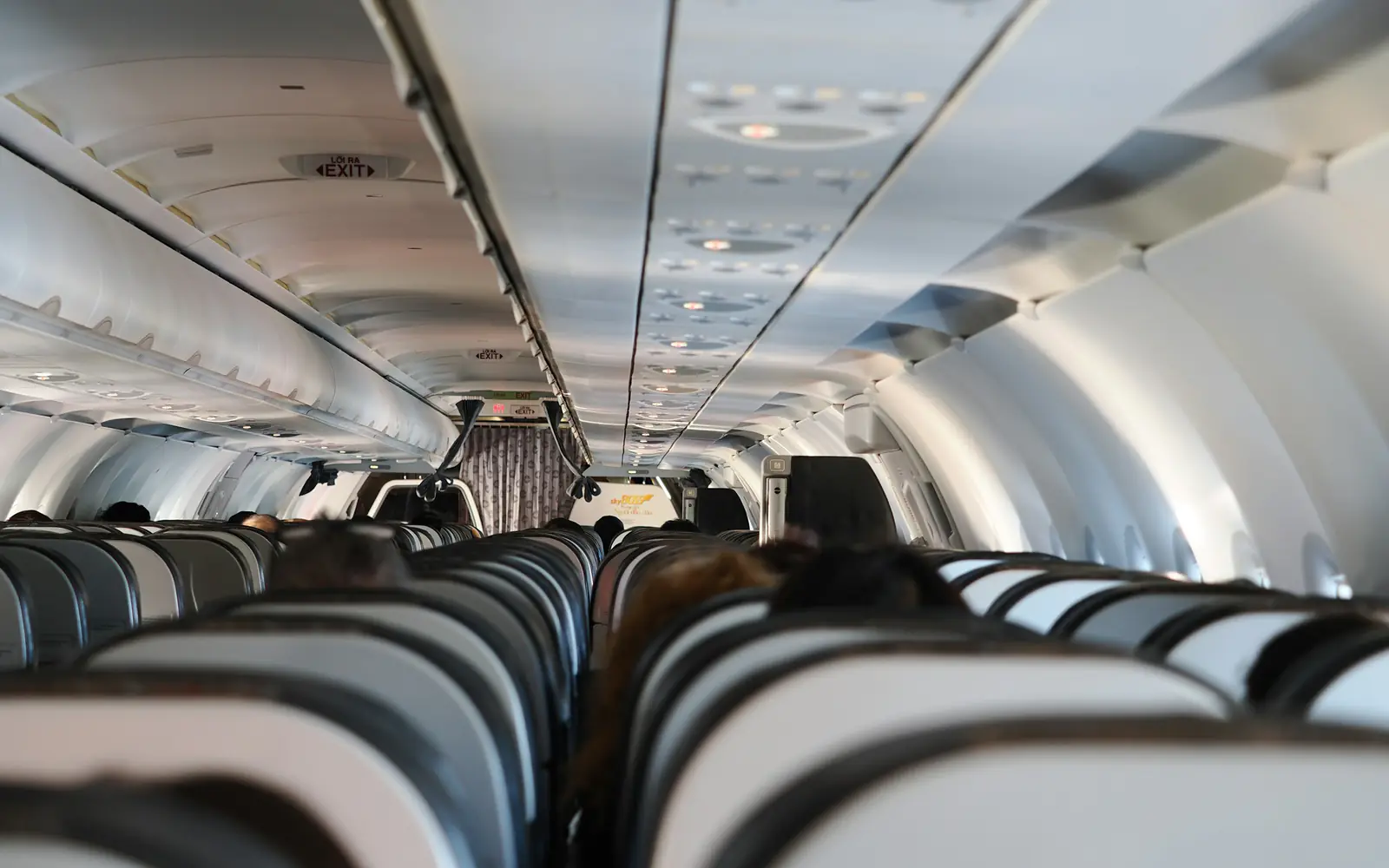
Two things change in an aircraft cabin. The air pressure is lower than on the ground, so any gas trapped in the body expands. After some operations, air or gas stays inside the chest, abdomen, skull or eye for a while, and it needs time to be absorbed. Oxygen levels in the blood also drop a little at altitude, which matters if your heart or lungs are still recovering.
The second change is sitting still for hours. Surgery already raises the risk of deep vein thrombosis (DVT), a blood clot in a deep vein, usually in the leg. The NHS lists both recent surgery and trips of more than four hours by plane, car or train as times of higher risk. A clot that travels to the lungs, called a pulmonary embolism, is a medical emergency.
Published waiting times by type of surgery
The table below gathers figures from the UK Civil Aviation Authority (CAA), the NHS and the CDC. They describe uncomplicated recoveries. A complication, a longer operation or reduced mobility can all mean a longer wait.
| Type of surgery |
General guidance before flying |
Source |
| Keyhole (laparoscopic) surgery |
About 24 hours |
CAA |
| Colonoscopy |
24 hours |
CAA |
| Open abdominal surgery |
10 days |
CAA, CDC |
| Coronary artery bypass (CABG) |
About 10 to 14 days, so the air in the chest can be absorbed |
CAA |
| Uncomplicated angioplasty with a stent |
May be fit after 3 days, with individual assessment |
CAA |
| Pacemaker |
Once medically stable |
CAA |
| Brain surgery |
About 7 days |
CAA |
| Eye surgery with a gas bubble (retinal detachment) |
About 2 weeks or about 6 weeks, depending on the gas used |
CAA |
| Other operations inside the eye |
1 week |
CAA |
| Breast surgery or liposuction |
5 to 7 days |
NHS |
| Facial cosmetic surgery or tummy tuck |
7 to 10 days |
NHS |
| Leg or arm in a plaster cast |
Many airlines: 24 hours for flights under 2 hours, 48 hours for longer flights |
CAA |
The 24 hour keyhole figure fits short, simple operations. Bigger keyhole operations, such as weight loss surgery or kidney donation, usually mean one to three weeks before flying; see each treatment page for the typical stay.
The CDC Yellow Book gives the same 10 day figure for chest or abdominal surgery and adds that holiday activities during recovery, such as swimming or long tours, can delay healing.
For hip and knee replacement, spine surgery and transplants, the decision depends heavily on how you are walking, how your wound is healing and which medicines you are on. The general bodies above do not give one figure for them, and surgeons set the date case by case. Ask your surgeon for an estimate at the first consultation so you can plan your stay around it.
Preventing blood clots on the way home
Doctors usually give a few practical instructions for the flight:
- Move. Walk up and down the aisle when the crew allows. NHS 111 Wales describes simple seat exercises: raise your heels with toes on the floor, then lower them, ten times, and do the same with your toes, at least every half hour.
- Drink water and avoid alcohol. The NHS also suggests loose clothing.
- Choose your seat. An aisle seat makes it easier to get up. Ask for extra legroom if your surgery allows.
- Take your medicines as prescribed. Some patients are sent home on blood-thinning injections or tablets. Do not stop or change them without the doctor's advice.
Compression stockings
Compression stockings (often sold as flight socks) squeeze the lower leg gently and help blood flow back towards the heart. NHS 111 Wales says that wearing them on flights of four hours or more can reduce the risk of DVT and leg swelling, but that badly fitting stockings could increase the risk. Ask your surgeon whether you should wear them, and have a pharmacist or nurse measure you for the right size.
After you land, get medical help urgently for pain or swelling in one leg, chest pain or shortness of breath. The NHS advises calling emergency services if leg symptoms come with chest pain or breathlessness.
Airline medical clearance
Airlines make their own decision about who they carry. The CAA notes that most airlines have medical advisers who clear passengers as fit to fly, and that the final decision belongs to the airline. Clearance is often done with a MEDIF, a standard medical information form that your doctor fills in and the airline's medical team reviews. Each airline has its own version and its own deadline for receiving it, so check before the last hospital visit.
Tell the airline in advance if you need a wheelchair, extra legroom or oxygen. These requests take time to arrange.
When the surgeon says yes
Book a flexible return ticket if you can, so that a few extra days do not become a crisis. When MediCurage plans a patient's stay, the return date follows the surgeon's estimate, and we arrange the airline paperwork and wheelchair requests before the final check-up. If the surgeon asks you to stay longer, the plan changes with them. A few more days near the hospital is a small price for a flight home you can take without worry.