Overview
When a biopsy confirms breast cancer, the next few weeks are spent answering two questions. How far has it spread, and what kind of breast cancer is it? Those answers shape everything that follows. Breast cancer is rarely treated with one thing alone. Most women (and the small number of men who get it) receive a combination of surgery, drug therapy and radiation, given in a set order over several months.
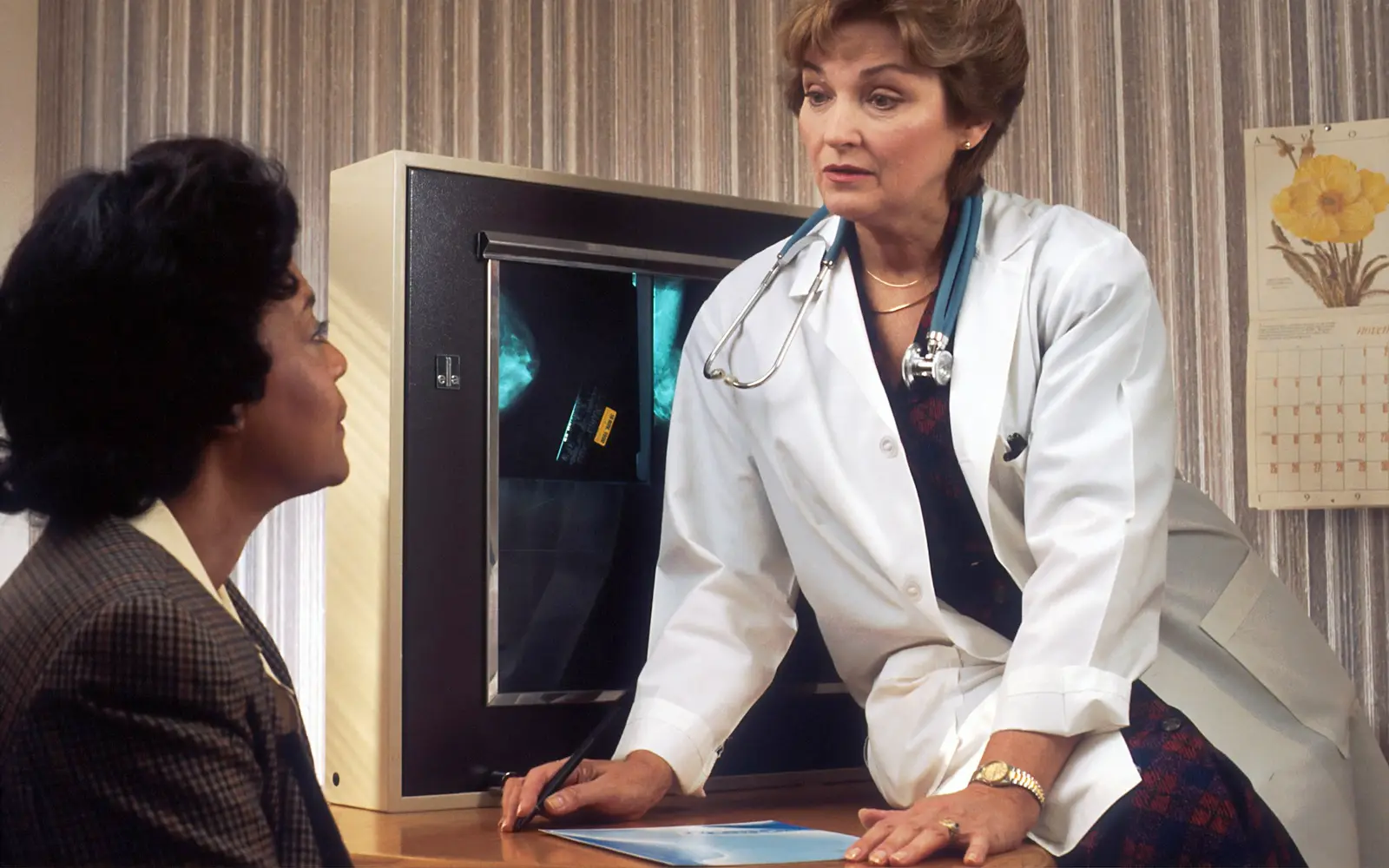
The order and the mix are decided by a tumour board. This is a regular meeting where breast surgeons, medical oncologists (doctors who give cancer drugs), radiation oncologists, pathologists and radiologists look at your case together and agree a plan. It is worth asking for, because it means more than one specialist has studied your reports.
MediCurage coordinates and the hospital's team treats. If radiation follows your surgery, we look for a stay close to the radiation unit, because you will go there every weekday for about three weeks.
Who needs it
Treatment is planned for anyone whose biopsy shows invasive breast cancer or ductal carcinoma in situ (DCIS, abnormal cells still confined inside the milk ducts). The plan depends on a few things the hospital will want to see or test again:
- Stage. Staging is the process of working out the size of the tumour, whether lymph nodes in the armpit are involved, and whether the cancer has reached other organs. Stages run from 0 to IV.
- Receptor status. The pathologist tests the tumour for oestrogen and progesterone receptors (ER and PR) and for a protein called HER2. Hormone receptor positive cancers respond to hormone tablets. HER2 positive cancers respond to targeted drugs such as trastuzumab. Triple negative cancers have none of the three and are usually treated with chemotherapy.
- Grade and genetics. Grade describes how abnormal the cells look under the microscope. If you are young or have relatives with breast or ovarian cancer, genetic testing for BRCA changes may be offered, because the result can change the surgical advice.
- Your general health. Heart function, diabetes and other conditions affect which drugs are safe for you.
Cancer that has already spread to distant organs (stage IV, also called metastatic) still needs treatment, but the aim moves towards control and comfort, and surgery plays a smaller part.
Before a quote, hospitals usually ask for the biopsy report, any mammogram, ultrasound or MRI of the breasts, and recent blood tests. If you can get the biopsy slides and paraffin blocks (the small wax blocks holding the tissue sample), bring them. Most hospitals will want their own pathologist to review them. You can name the country you prefer on the quote form, or let hospitals in several countries quote so you can compare.
How it is done
Tests on arrival
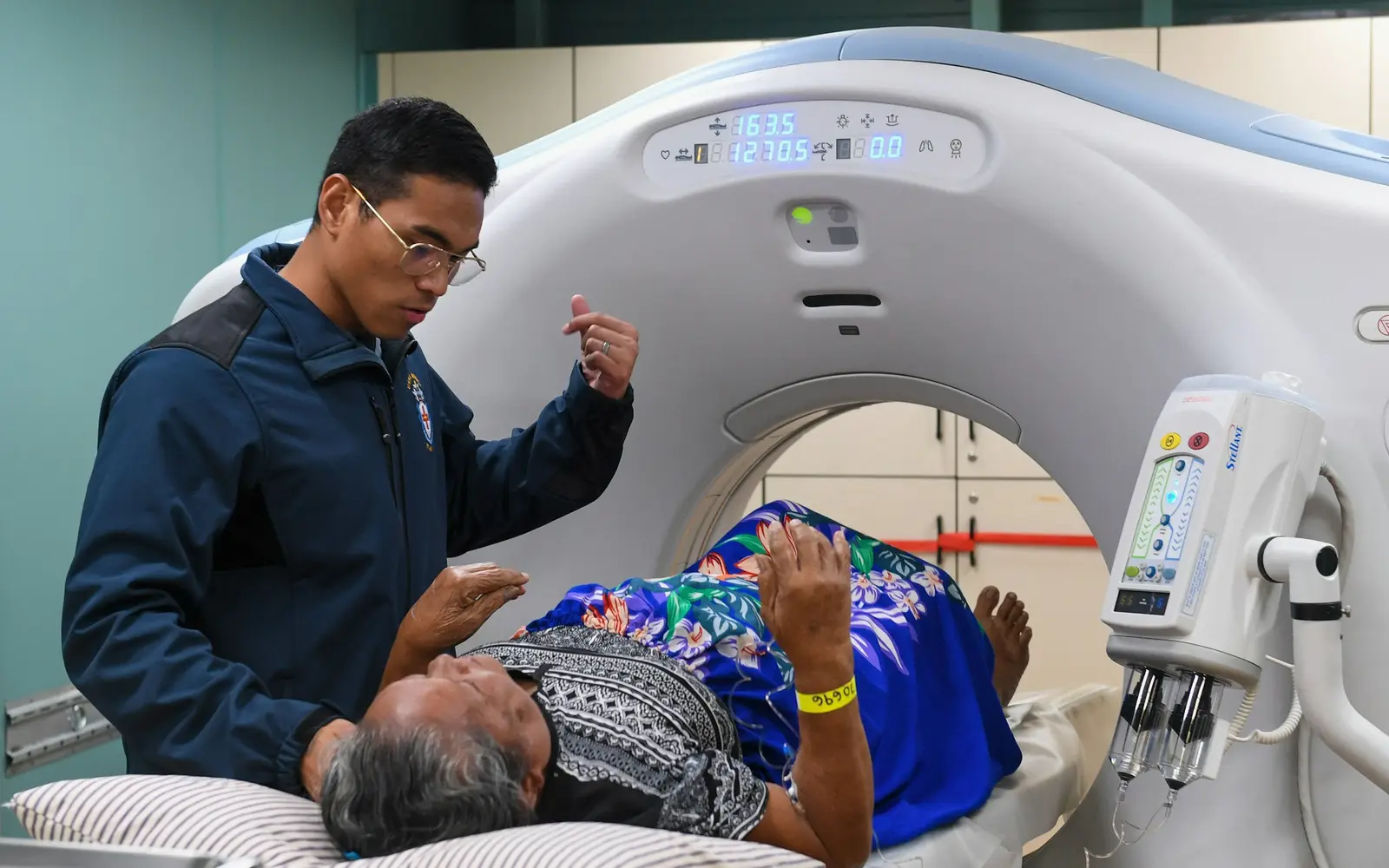
Expect the first three to seven days to be mostly tests. These often include a review of your biopsy, fresh breast imaging if your scans are old, blood tests, an echocardiogram (an ultrasound scan of the heart, needed before some drugs) and a scan to check whether the cancer has spread. For many patients that scan is a PET-CT, which combines a CT scan with an injection of slightly radioactive sugar that highlights active cancer cells. Some hospitals use a CT scan and a bone scan instead. The tumour board then meets, and the oncologist explains the plan to you with the interpreter present.
Surgery
There are two main operations.
- Breast conserving surgery (lumpectomy or wide local excision). The surgeon removes the tumour with a rim of healthy tissue and keeps the rest of the breast. Radiation almost always follows.
- Mastectomy. The whole breast is removed. Reconstruction, using an implant or tissue from your own body, may be done at the same time or later.
Most patients also need the lymph nodes in the armpit checked. In a sentinel lymph node biopsy, the surgeon removes only the first one to three nodes that drain the breast. If those are clear, the rest are usually left alone. If cancer is found, more nodes may be removed (axillary dissection) or the armpit may be treated with radiation instead.
Drug treatment
Chemotherapy is sometimes given before surgery (neoadjuvant treatment) to shrink a large tumour, and sometimes after it (adjuvant treatment) to lower the chance of the cancer coming back. HER2 positive cancers get targeted drugs alongside chemotherapy, usually continued every three weeks for about a year. Hormone tablets such as tamoxifen or letrozole are taken daily for five years or more, at home.
Radiation
After breast conserving surgery, and after some mastectomies, the remaining breast or the chest wall is treated with radiation. Many centres now give it over three weeks (15 short sessions on weekdays), and some suitable patients have a one week course. Radiation normally starts a few weeks after surgery once the wound has healed, or after chemotherapy ends.
Recovery and how long you stay
The time you spend abroad depends on how much of the plan you complete there. This is the part that is easiest to underestimate.
- Surgery only: about 1 to 4 nights in hospital, then a week or so nearby until the drain is removed, the wound is checked and the final pathology report is ready. Plan for three to four weeks in total, including tests.
- Surgery plus radiation: add the time for healing and the radiation course itself. Six to eight weeks is a common total.
- Chemotherapy in the same country: chemotherapy runs in cycles, usually every two or three weeks, over four to six months. Some families stay for the whole course. Others complete the first cycle abroad, see how the patient copes, and continue with an oncologist at home using the same written protocol.
Pain after breast surgery is usually controlled with tablets. You may go home from hospital with a drain (a thin tube that carries fluid away from the wound) for a week or more. A physiotherapist will show you arm and shoulder exercises that keep the shoulder moving and lower the risk of lymphoedema (swelling of the arm after lymph nodes are removed).
Your coordinator books the follow up visits, makes sure the interpreter is there for each one, and collects the discharge summary and final pathology report for your doctor at home.
Questions to ask your surgeon
Take these to the first meeting. Your interpreter can help you ask them in your own words.
- What stage is the cancer, and what are the ER, PR and HER2 results?
- Am I suitable for breast conserving surgery, or do you advise a mastectomy, and why?
- Will you do a sentinel lymph node biopsy?
- Can reconstruction be done in the same operation, and how would it change my stay?
- Will I need chemotherapy, and if so, before or after surgery?
- How many weeks of radiation will I need, and when would it start?
- Which parts of this plan could an oncologist in my country continue, and will you write the protocol down for them?
- Who do I contact after I go home if I notice swelling, fever or a new lump?
If lymph nodes were removed from your armpit, also ask whether the long flight home needs any care for that arm. Some teams suggest a compression sleeve for flying, some suggest only moving the arm and hand during the flight, and some see no need for either. Your own surgeon will tell you what applies to you.
Indicative cost by country
Ranges for a standard case at a private hospital. They help you plan; your chosen hospital's quote for your case is the figure to plan around.
- IndiaIndicative priceUS$3,500 to US$6,500Hospital stay1 to 4 daysTotal time in the country21 to 60 days
What the range usually covers: Surgery only: mastectomy or breast-conserving surgery with lymph node surgery, pathology and the listed hospital days. Chemotherapy, radiotherapy and reconstruction are quoted separately.
- TurkeyIndicative priceUS$4,500 to US$9,000Hospital stay1 to 4 daysTotal time in the country21 to 60 days
What the range usually covers: Surgery only: mastectomy or breast-conserving surgery with lymph node surgery, pathology and the listed hospital days. Chemotherapy, radiotherapy and reconstruction are quoted separately.
- ThailandIndicative priceUS$8,000 to US$12,000Hospital stay1 to 4 daysTotal time in the country21 to 60 days
What the range usually covers: Surgery only: mastectomy or breast-conserving surgery with lymph node surgery, pathology and the listed hospital days. Chemotherapy, radiotherapy and reconstruction are quoted separately.
- MalaysiaIndicative priceUS$4,500 to US$8,500Hospital stay1 to 4 daysTotal time in the country21 to 60 days
What the range usually covers: Surgery only: mastectomy or breast-conserving surgery with lymph node surgery, pathology and the listed hospital days. Chemotherapy, radiotherapy and reconstruction are quoted separately.
- MexicoIndicative priceUS$5,000 to US$9,000Hospital stay1 to 4 daysTotal time in the country21 to 60 days
What the range usually covers: Surgery only: mastectomy or breast-conserving surgery with lymph node surgery, pathology and the listed hospital days. Chemotherapy, radiotherapy and reconstruction are quoted separately.
Indicative range. Your final cost depends on your reports and the hospital you choose.
Questions families ask
Should I bring the biopsy slides and blocks, or is the report enough?
Bring both if you can. Hospitals usually want their own pathologist to look again at the original slides and paraffin blocks, and to confirm the receptor tests (ER, PR and HER2) that decide which drugs will work. Ask the laboratory at home to release them to you before you travel.
Can I have surgery abroad and the rest of my treatment at home?
Often, yes. It is common to have the surgery and the treatment plan abroad, then continue hormone tablets or some drug treatment with an oncologist at home. Whether this works depends on what is available in your country, so raise it at the first consultation and ask for a written handover plan.
Will I lose my whole breast?
Not always. Many women with early breast cancer can have breast conserving surgery, where only the tumour and a margin of healthy tissue are removed, followed by radiation. Some need a mastectomy because of the size or position of the tumour or for genetic reasons, and reconstruction can sometimes be done in the same operation.
How soon after surgery can I fly home?
If you have surgery only, many patients are cleared to fly once the drain is out and the wound has been checked, often 10 to 14 days after the operation. If radiation follows in the same country, you stay for that course as well. The surgeon makes the final decision based on how you are healing.
Can a family member stay with me in hospital?
Most hospitals allow one attendant to stay in the patient's room, and other family members can stay at the guest house or hotel we arrange near the hospital. Visa rules for attendants differ by country, so we check them for the country you choose. Where an invitation letter is needed, we request it from the hospital for both of you, check it against both passports, and help your attendant prepare their own application.
This page is general information. Your treating doctor decides your treatment plan.