Overview
Chemotherapy uses drugs that kill cells which divide quickly, as cancer cells do. Some healthy cells also divide quickly, such as those in the bone marrow, the hair roots and the lining of the mouth and gut, and that is why chemotherapy has side effects. The drugs travel in the bloodstream, so they can reach cancer cells almost anywhere in the body.
It is given for different reasons. It can be the main treatment, as in many lymphomas and leukaemias. It can shrink a tumour before surgery (neoadjuvant chemotherapy), lower the chance of cancer returning after surgery (adjuvant chemotherapy), make radiation work better when the two are given together (chemoradiation), or control an advanced cancer and ease its symptoms.
The word now often covers a wider family of drugs. Targeted therapy acts on a specific change inside cancer cells. Immunotherapy helps your own immune system recognise and attack the cancer. Your oncologist may combine these with chemotherapy, and the practical side for your family (cycles, blood tests, hours in the day care unit) is much the same.
MediCurage does not decide which drugs you receive. The treating oncologist and the hospital's tumour board (a meeting of cancer specialists who review each case together) do that from your reports. For a long course, we look for a stay with a kitchen and a short ride to the day care unit, because home cooked food is often easier on a sensitive stomach than restaurant meals.
Who needs it
Chemotherapy is part of the plan for many solid cancers, including breast, lung, stomach, bowel, ovarian and head and neck cancers, and for most blood cancers. Whether you need it depends on:
- The type of cancer, confirmed by a biopsy (a sample of tissue examined under a microscope).
- The stage, meaning how large the cancer is and how far it has spread.
- Tests on the tumour, such as hormone receptors or gene changes, which may point to targeted drugs instead of chemotherapy or alongside it.
- Your general health, including kidney, liver and heart function and your blood counts.
- Your own wishes, once the expected benefits and side effects have been explained.
For a quote, hospitals need the biopsy and pathology reports, recent scans (CT, MRI or PET-CT), blood results including kidney and liver function, and details of any treatment already given. If you have had chemotherapy before, the names of the drugs and the number of cycles matter a great deal, so bring the old prescriptions or treatment charts. You can name the country you would prefer, or ask hospitals in several countries to quote for the same plan.
How it is done
Planning the course
The oncologist chooses a regimen, which means the specific drugs, their doses and the schedule. Treatment is given in cycles. Each cycle has one or a few treatment days followed by a rest period that lets healthy cells recover. Cycles commonly repeat every one, two, three or four weeks. A full course is often four to eight cycles over three to six months, and some treatments continue for longer.
Doses are usually calculated from your height and weight, so you will be weighed before each cycle.
Before each cycle
You will have a blood test a day or two before each cycle, or on the morning itself. It checks your blood counts and how your liver and kidneys are working. The oncologist reviews the results and confirms the dose. If your counts are low, the cycle may be delayed by a few days.
The treatment day
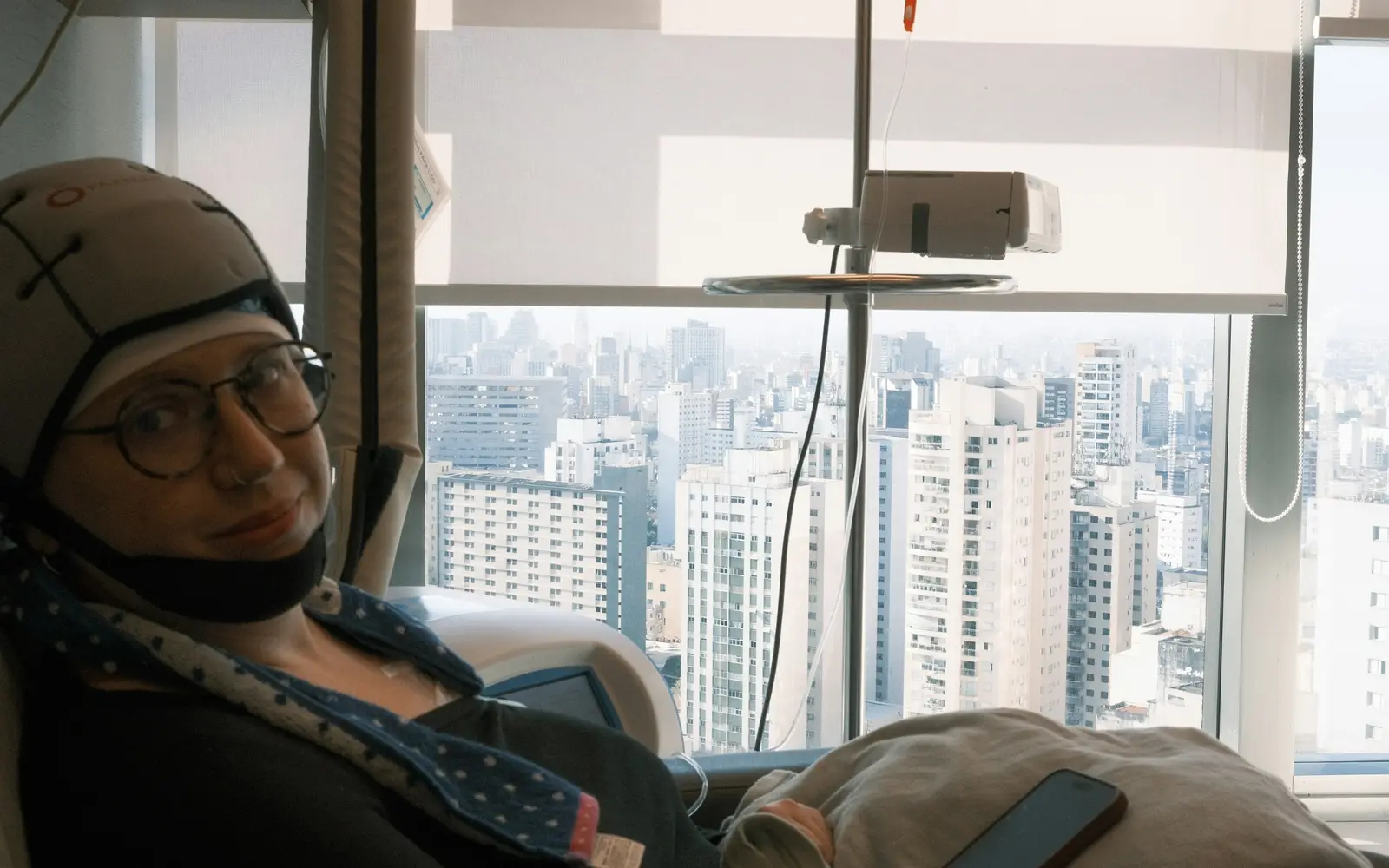
Most chemotherapy is given in a day care unit, where you sit in a reclining chair or lie on a bed for a few hours. First you receive medicines to prevent nausea and allergic reactions. The cancer drugs then go in through a drip. Some people have a cannula (a short, thin tube placed in a vein in the arm) each time. If you need many cycles, or your veins are difficult, the team may suggest a PICC line or a port. A PICC line is a thin tube inserted in the arm that stays in for weeks or months. A port is a small device placed under the skin of the chest in a short procedure.
Some regimens include tablets taken at home. A few need a small pump that delivers the drug over two days, or a hospital admission of one to a few days.
Side effects
Side effects depend on the drugs and vary a lot between people. Common ones include tiredness, nausea, mouth sores, hair loss, changes in bowel habit and a higher risk of infection when white blood cells are low. Some drugs cause numbness or tingling in the hands and feet. The team gives you medicines to take home and a number to call. A fever during chemotherapy needs urgent attention, because it can signal a serious infection.
Recovery and how long you stay
Chemotherapy is unlike an operation. There is no single recovery period at the end. Each cycle has its own pattern instead. You may feel tired or unwell for a few days after treatment, then gradually better until the next cycle begins.
For a family, the real decision is how much of the course to complete abroad. There are two common approaches.
- The full course abroad. You stay for the entire treatment, typically three to six months. Everything stays with one team, but it is a long time away from home, work and other children. Visa rules differ by country, and some medical visas cannot be extended, so check before you travel that yours will cover the whole course. We check the rules for the country you choose and request a hospital letter where one is needed.
- The first cycles abroad, the rest at home. The plan is made, any port is placed and the first one or two cycles are given abroad, so the oncologist can see how you cope. You then continue with an oncologist in your country, following a written protocol. This works only if the same drugs are available there.
Between cycles you stay in accommodation near the hospital. Oncology teams often suggest light walking, small frequent meals and plenty of fluids, and your own oncologist will tell you what suits your drugs. Your coordinator keeps the appointment calendar, arranges transport for each treatment day and makes sure the interpreter is present whenever results or dose changes are discussed.
Questions to ask your doctor
- What is the aim of this chemotherapy, and which drugs will I receive?
- How many cycles, how often, and how long will the whole course take?
- Will I need a PICC line or a port?
- Which side effects are most likely with these drugs, and what should I do about each one?
- What temperature counts as a fever, and who do I call at night?
- Could some cycles be given in my home country, and will you write out the full protocol?
- Are targeted drugs or immunotherapy an option for my cancer?
- Which scans will check whether the treatment is working, and when?
Of these, the fever question is the one to settle before the first cycle. Many oncology teams tell patients to call if their temperature reaches 38 degrees Celsius, and some use a different number for certain drugs, so ask for yours in writing. A thermometer at your accommodation and the emergency number saved in more than one phone mean the call can be made at 2 in the morning without anyone searching for it.
Indicative cost by country
Ranges for a standard case at a private hospital. They help you plan; your chosen hospital's quote for your case is the figure to plan around.
- IndiaIndicative priceUS$400 to US$1,500Hospital stay1 to 3 daysTotal time in the country90 to 180 days
What the range usually covers: Price per cycle for standard chemotherapy drugs given as a day care infusion, with routine blood tests and the oncologist's review. Targeted drugs and immunotherapy cost more.
- TurkeyIndicative priceUS$1,500 to US$3,500Hospital stay1 to 3 daysTotal time in the country90 to 180 days
What the range usually covers: Price per cycle for standard chemotherapy drugs given as a day care infusion, with routine blood tests and the oncologist's review. Targeted drugs and immunotherapy cost more.
- ThailandIndicative priceUS$1,000 to US$3,000Hospital stay1 to 3 daysTotal time in the country90 to 180 days
What the range usually covers: Price per cycle for standard chemotherapy drugs given as a day care infusion, with routine blood tests and the oncologist's review. Targeted drugs and immunotherapy cost more.
- MalaysiaIndicative priceUS$700 to US$4,000Hospital stay1 to 3 daysTotal time in the country90 to 180 days
What the range usually covers: Price per cycle for standard chemotherapy drugs given as a day care infusion, with routine blood tests and the oncologist's review. Targeted drugs and immunotherapy cost more.
- MexicoIndicative priceUS$1,100 to US$4,500Hospital stay1 to 3 daysTotal time in the country90 to 180 days
What the range usually covers: Price per cycle for standard chemotherapy drugs given as a day care infusion, with routine blood tests and the oncologist's review. Targeted drugs and immunotherapy cost more.
Indicative range. Your final cost depends on your reports and the hospital you choose.
Questions families ask
Can I start chemotherapy abroad and finish it at home?
This is a common approach. The first cycle or two are given abroad so the oncologist can see how you tolerate the drugs, and the rest continues with an oncologist in your country using the same written protocol. It works only if the same drugs and blood tests are available at home, so check this before you travel.
Will I lose my hair?
It depends on the drugs. Some regimens cause hair loss, usually starting two to three weeks after the first cycle, and others cause little or none. Hair normally grows back after treatment ends. Ask the oncologist about your specific drugs.
Do I have to stay in hospital for chemotherapy?
Usually not. Most cycles are given in a day care unit over a few hours, and you return to your accommodation the same day. Some regimens run over a day or more or need close monitoring, and these need a short admission.
What happens if I get a fever during treatment?
A fever during chemotherapy can be a sign of infection at a time when white blood cell counts are low, and it needs urgent attention. The oncology team will give you an emergency number and tell you which temperature to act on. Your coordinator makes sure you know how to reach the hospital emergency department at any hour.
Why was my cycle postponed when I feel well?
Before each cycle, a blood test checks your blood counts and how your liver and kidneys are working. If the counts have not recovered, the oncologist may delay the cycle by a few days or adjust the dose. This is a routine safety step, and your coordinator will rearrange your accommodation and transport if the schedule shifts.
This page is general information. Your treating doctor decides your treatment plan.