
Overview
For some people with epilepsy, the seizures start in one small patch of brain. If doctors can find that patch, and if it can be removed or disconnected without taking away speech, movement or memory, surgery may stop the seizures or make them far less frequent. That is the aim of epilepsy surgery.
It is a process in two parts. The first part is the evaluation, a set of tests to find where the seizures begin and what that area does. The second part is the treatment, which may be an operation to remove the area, a laser procedure, or an implanted device such as a vagus nerve stimulator. Not everyone who has the evaluation goes on to surgery. Sometimes the tests show that the seizures come from several places, or from an area that cannot be touched safely, and that answer is useful too.
Who needs it
Epilepsy surgery is considered for drug-resistant epilepsy. Doctors usually use this term when seizures continue after trying two suitable seizure medicines, taken properly at adequate doses. Many neurologists recommend a referral for a surgical opinion at that point, rather than after years of trying more medicines.
People who are often assessed for surgery include those with:
- Mesial temporal sclerosis, scarring in a deep part of the temporal lobe (the part of the brain behind the temple) that is a common cause of focal seizures in adults.
- A visible lesion on MRI, such as a cavernoma (a small cluster of abnormal blood vessels), a low grade tumour, or a focal cortical dysplasia (an area where the brain developed abnormally before birth).
- Seizures that start in one hemisphere in children, sometimes after an early stroke or a developmental condition.
- Drop attacks or seizures from many areas, where a disconnection operation or a stimulator may reduce the most dangerous seizures.
How it is done
The evaluation
Video EEG monitoring is the central test. EEG (electroencephalography) records the brain's electrical activity through small discs attached to the scalp. In video EEG, you stay in a special hospital room while the EEG runs day and night and a camera records you. Doctors often reduce your medicines under supervision so that a few typical seizures happen while the equipment is recording. Matching the video with the brain waves shows where each seizure starts. This usually takes several days and sometimes a week or more.
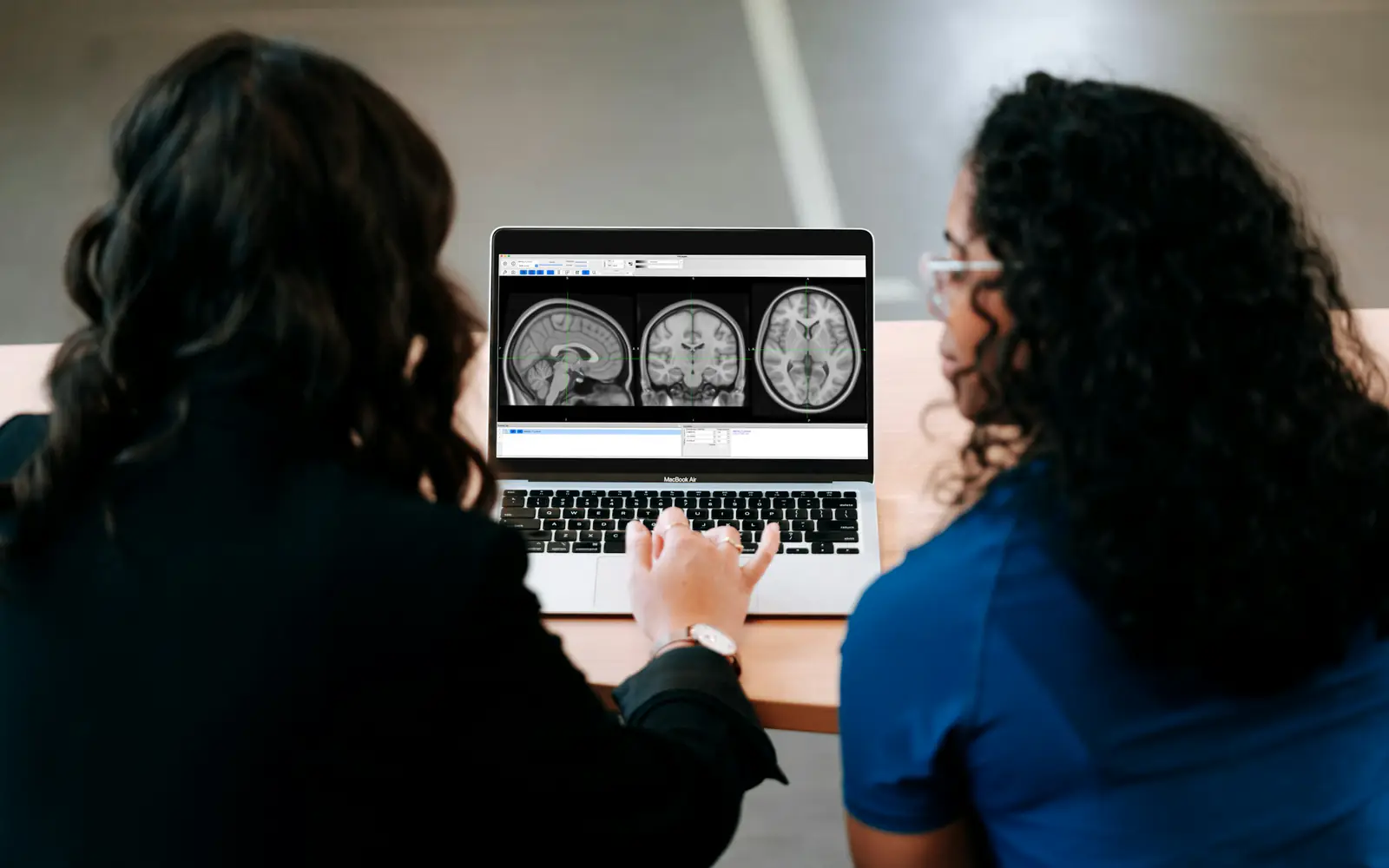
You will also usually have an MRI with an epilepsy protocol, a set of thin, detailed images designed to show small abnormalities that a routine scan can miss. Other tests may include a PET scan (which shows how different areas use sugar), a functional MRI to map language and movement, and neuropsychological testing, a series of memory and thinking tasks that help predict how surgery might affect you.
The neurologists, neurosurgeons, radiologists and psychologists then review everything together. If the results agree on one area, surgery can be planned. If they do not, some patients need stereo EEG (SEEG). Here the surgeon places thin electrodes into the brain through tiny holes in the skull, guided by a stereotactic system (a 3D coordinate method built from your scans), and recording continues for about one to two weeks. The electrodes are then removed. Occasionally this is done on a separate trip.
The treatment
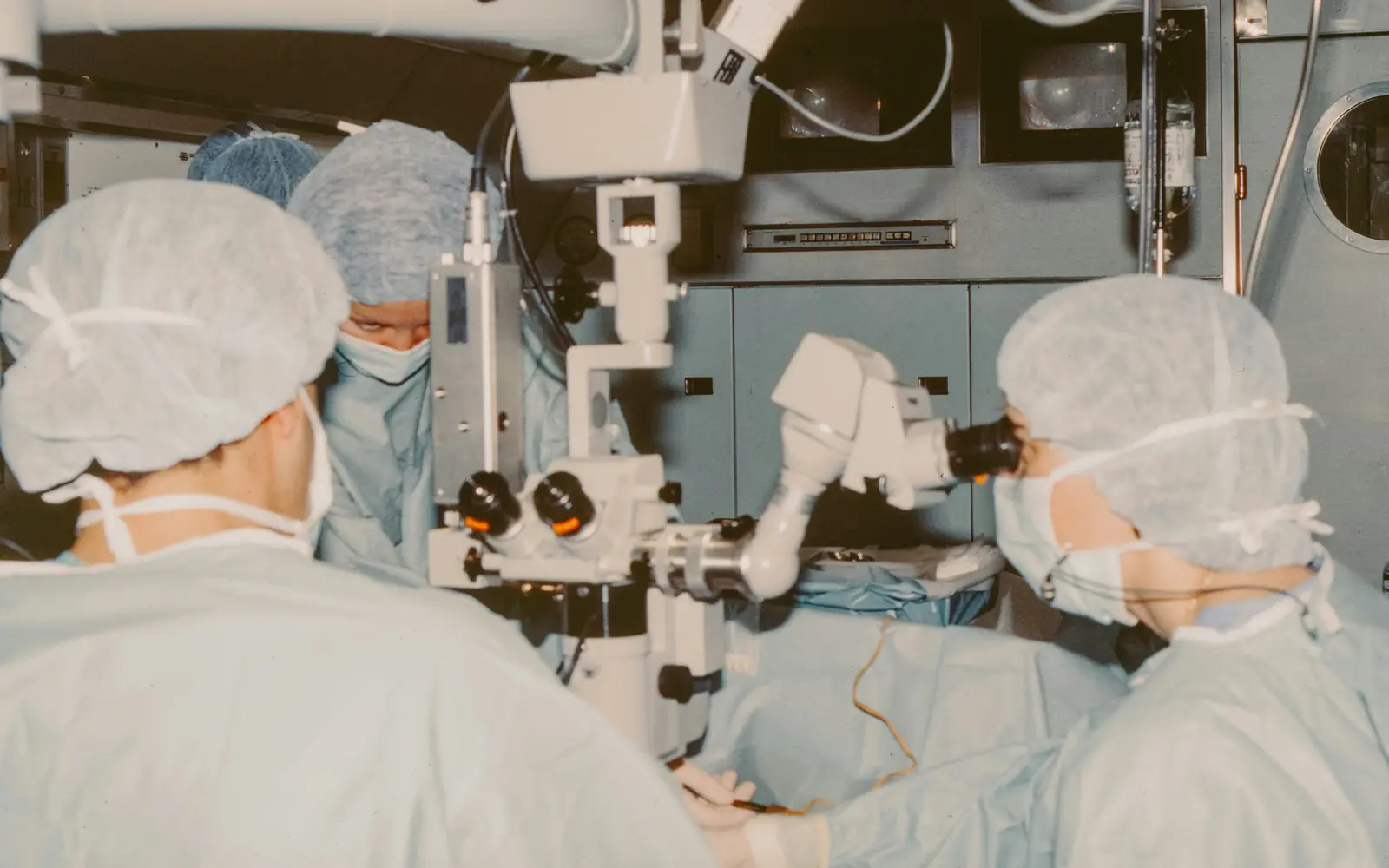
- Resective surgery removes the area where seizures start, through a craniotomy (temporarily removing a piece of skull). The most common example is an anterior temporal lobectomy, which removes the front part of the temporal lobe. A lesionectomy removes a visible lesion and a small margin around it.
- Laser ablation (LITT) heats and destroys a small target through a thin probe passed through a hole a few millimetres wide, under MRI guidance. It suits some deep, small areas and is not available at every hospital.
- Disconnection surgery cuts the pathways that seizures use to spread. Examples are a corpus callosotomy, which reduces drop attacks, and a hemispherotomy in children.
- Vagus nerve stimulation (VNS) places a small generator under the skin of the chest with a wire to the vagus nerve in the left side of the neck. It is switched on a couple of weeks later and adjusted over months. Patients can also swipe a magnet over it at the start of a seizure. In some countries, other stimulation devices are also used.
Recovery and how long you stay
After resective surgery, expect about 4 to 7 days in hospital. Headache and tiredness are common in the first weeks, and some people have short-lived changes in mood or word finding after temporal lobe surgery. Most people return to everyday activities over about six weeks. VNS is a smaller operation, often with a stay of one night.
How long you stay in the country where you are treated depends on which tests you need there. If the evaluation and surgery are done in one trip, plan for about 3 to 5 weeks. If stereo EEG is needed, the time is longer, and some teams ask you to go home between the evaluation and the operation.
You will keep taking seizure medicines after surgery, often for a year or more. Follow up EEG and MRI can usually be done at home. Driving rules after seizures differ between countries, and your own country's rules apply. If a second trip is needed, we keep the same coordinator for both trips and ask for the same interpreter where possible, so the doctors hear your history told the same way twice.
Questions to ask your surgeon
- Do all my tests point to the same area, or is anything uncertain?
- Do I need stereo EEG, and could it be done on a separate trip?
- Which operation do you recommend, and what are the alternatives?
- What is the risk to my memory, language, vision or movement?
- If surgery is not possible, would VNS or another device help me?
- How long will I take seizure medicines afterwards?
- When can I travel, work or study again?
- What follow up EEG and MRI will you want, and when?
One practical step helps from the start. Ask a family member to film your next seizure on a phone, from the beginning if possible, and send it with your reports. Epilepsy teams learn a great deal from those first few seconds.
Indicative cost by country
Ranges for a standard case at a private hospital. They help you plan; your chosen hospital's quote for your case is the figure to plan around.
- IndiaIndicative priceUS$5,000 to US$9,500Hospital stay4 to 7 daysTotal time in the country21 to 35 days
What the range usually covers: Resective surgery such as temporal lobectomy, neurosurgeon and anaesthesia fees, and ICU and ward stay for the listed days. Pre surgical video EEG monitoring and invasive electrode studies are quoted separately.
- TurkeyIndicative priceUS$12,000 to US$28,000Hospital stay4 to 7 daysTotal time in the country21 to 35 days
What the range usually covers: Resective surgery such as temporal lobectomy, neurosurgeon and anaesthesia fees, and ICU and ward stay for the listed days. Pre surgical video EEG monitoring and invasive electrode studies are quoted separately.
- ThailandIndicative priceUS$10,000 to US$20,000Hospital stay4 to 7 daysTotal time in the country21 to 35 days
What the range usually covers: Resective surgery such as temporal lobectomy, neurosurgeon and anaesthesia fees, and ICU and ward stay for the listed days. Pre surgical video EEG monitoring and invasive electrode studies are quoted separately.
- MalaysiaIndicative pricePrice on requestHospital stay4 to 7 daysTotal time in the country21 to 35 days
What the range usually covers: Resective surgery such as temporal lobectomy, neurosurgeon and anaesthesia fees, and ICU and ward stay for the listed days. Pre surgical video EEG monitoring and invasive electrode studies are quoted separately.
- MexicoIndicative pricePrice on requestHospital stay4 to 7 daysTotal time in the country21 to 35 days
What the range usually covers: Resective surgery such as temporal lobectomy, neurosurgeon and anaesthesia fees, and ICU and ward stay for the listed days. Pre surgical video EEG monitoring and invasive electrode studies are quoted separately.
Indicative range. Your final cost depends on your reports and the hospital you choose.
Questions families ask
Will I still need to take seizure medicines after epilepsy surgery?
Yes, at least for a while. Surgeons and neurologists usually keep the same medicines for a year or more after surgery and then consider lowering them slowly if seizures have stopped. Any reduction is planned with your neurologist.
Can children have epilepsy surgery?
Yes. Children with drug-resistant focal epilepsy are assessed in the same way, with video EEG and MRI, and some have surgery at a young age. Teams usually prefer a hospital with a paediatric epilepsy service for children. Ask each hospital whether it treats children of your child's age.
Which reports should I send for an epilepsy surgery opinion?
Send your neurologist's letters, a list of every seizure medicine you have tried with doses, all EEG reports, and your brain MRI on a disc or download link with the radiologist's report. A seizure diary and a phone video of a typical seizure are very useful.
How is VNS different from brain surgery?
VNS does not involve opening the skull. A small device under the skin of the chest stimulates the vagus nerve in the neck. It usually reduces how often or how strongly seizures happen rather than stopping them, so it is mainly offered when the seizure area cannot be removed.
Can I have the video EEG in my own country first?
Sometimes. If you have already had a good quality video EEG and an epilepsy protocol MRI at home, the surgical team may accept them and you may need a shorter stay. Many teams still repeat some tests themselves before operating. Send what you have and ask.
This page is general information. Your treating doctor decides your treatment plan.