Overview
Blood cancers start in the cells that make blood or in the cells of the immune system. They often involve the whole body from the start, carried in the blood, the bone marrow (the soft tissue inside bones where blood is made) or the lymph nodes. Surgery plays almost no part in treating them; drugs, and sometimes a transplant, do most of the work.
There are three main groups, and they behave so differently that it helps to think of them as separate illnesses:
- Leukaemia is a cancer of the white blood cells that starts in the bone marrow. Acute leukaemias, such as acute myeloid leukaemia (AML) and acute lymphoblastic leukaemia (ALL), develop quickly and need treatment within days. Chronic leukaemias, such as chronic myeloid leukaemia (CML) and chronic lymphocytic leukaemia (CLL), develop slowly and are often controlled for years.
- Lymphoma starts in lymphocytes, a type of white cell found mostly in the lymph nodes. It is divided into Hodgkin lymphoma and non-Hodgkin lymphoma, which has many subtypes, some slow growing and some fast.
- Myeloma (often called multiple myeloma) is a cancer of plasma cells, the bone marrow cells that make antibodies. It can weaken bones, affect the kidneys and lower blood counts.
The doctor in charge is usually a haematologist, a specialist in blood diseases and blood cancers. Knowing early which group you are dealing with helps your family plan, because it decides how long you stay and how often you need to be in hospital.
Who needs it
Blood cancer is often first suspected from a routine blood test, or from symptoms such as tiredness, repeated infections, easy bruising, fevers, night sweats, bone pain or swollen lymph nodes. Treatment is offered once the diagnosis and subtype are confirmed.
Not everyone needs treatment straight away. Some slow growing lymphomas and early CLL are watched with regular checks, and treatment starts only if the disease begins to cause problems. Acute leukaemia, by contrast, needs treatment urgently, so travel has to be planned within days.
To prepare a quote, hospitals usually ask for:
- Recent full blood counts and the peripheral smear report (blood looked at under a microscope).
- The bone marrow or lymph node biopsy report, and the slides or blocks if your laboratory will release them.
- Any flow cytometry, cytogenetic or molecular results.
- Scan reports and images, such as PET-CT or CT.
- Kidney and liver function results, and details of any treatment already given.
You can say which country you prefer on the quote form, or ask hospitals in several countries to quote for the same plan.
How it is done
Tests that confirm the type
Most patients have some of these during the first week:
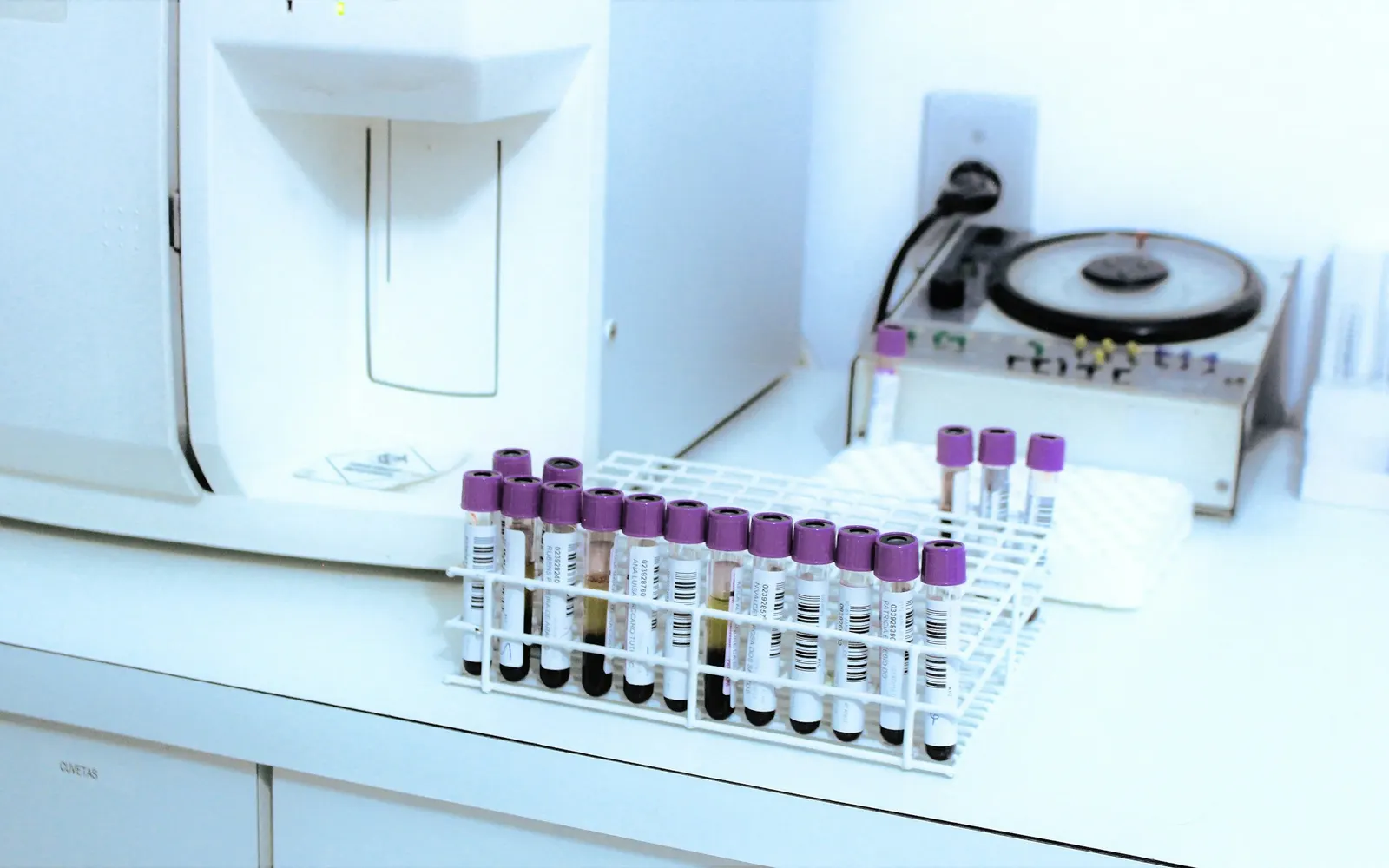
- Blood counts and blood film, to see how many red cells, white cells and platelets you have and whether abnormal cells are circulating.
- Bone marrow aspiration and biopsy, where a needle takes a small sample of marrow from the back of the hip bone under local anaesthetic. The area is sore for a few days.
- Flow cytometry, a laboratory test that reads the markers on the surface of cells and shows exactly which type of cell has become cancerous.
- Cytogenetics and molecular tests, which look for changes in chromosomes and genes. In CML, for example, they confirm the Philadelphia chromosome; in AML, changes in genes such as FLT3 or NPM1 help decide the treatment.
- Lymph node biopsy for suspected lymphoma, usually removing a whole node or a core of tissue so the pathologist has enough to work with.
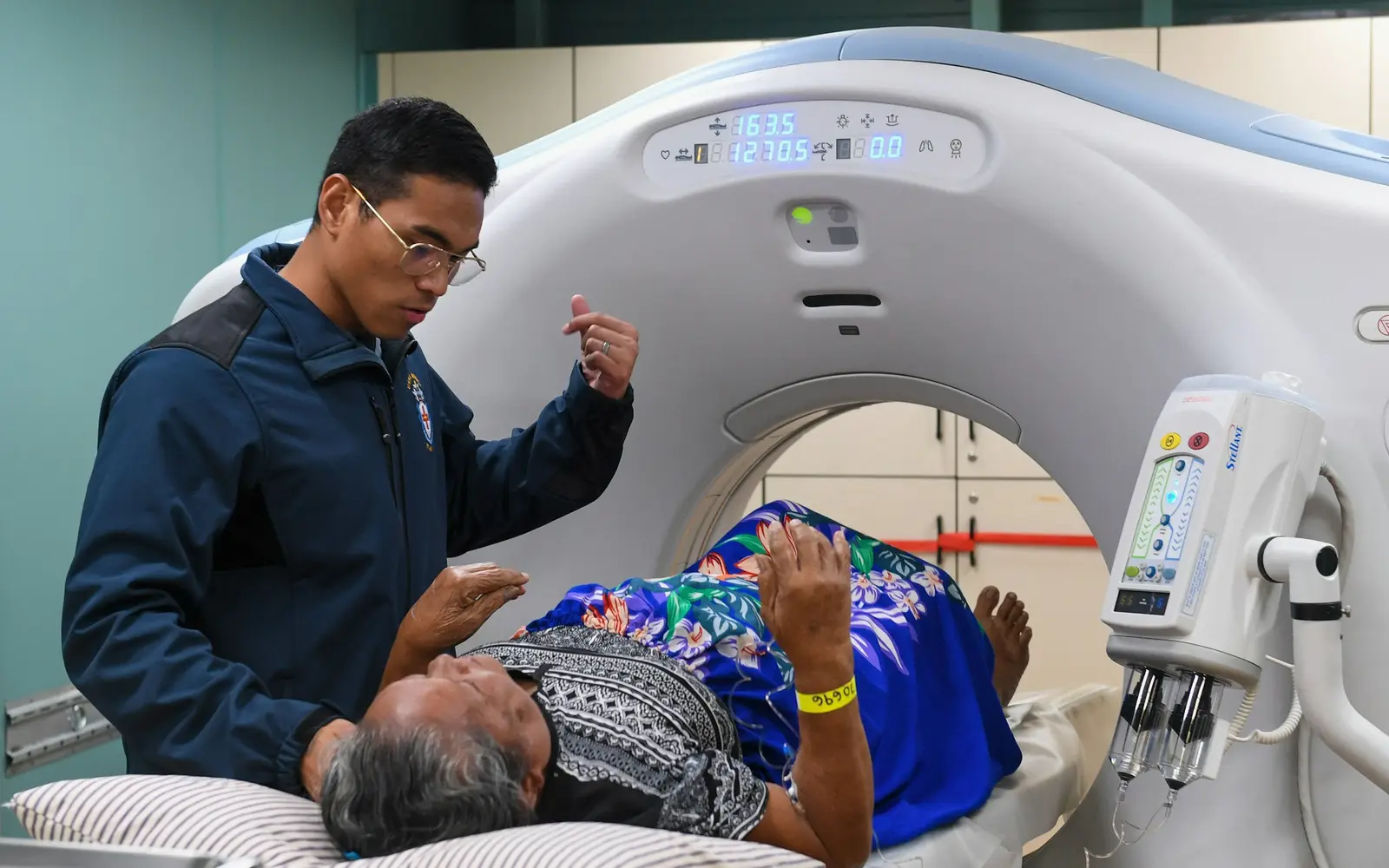
- PET-CT for lymphoma, a scan that shows active disease throughout the body and is used for staging and later to check response.
- For myeloma, blood and urine tests for the abnormal protein the cancer makes, kidney function and calcium levels, and imaging of the bones.
Some results take a week or more, and treatment for slower diseases usually waits for them.
Drug treatment
Chemotherapy remains the backbone for many blood cancers, and our chemotherapy page explains how cycles work. The details differ by group:
- Acute leukaemia starts with induction, an intensive course aimed at clearing the leukaemia from the marrow, followed by consolidation to stop it returning. ALL is then usually followed by maintenance, mostly tablets, for two years or more.
- Lymphoma is often treated with combinations given every two or three weeks for four to eight cycles, frequently including rituximab, an antibody that attaches to a marker on lymphoma cells.
- Myeloma is usually treated with combinations of newer drugs taken as tablets or injections, often over three to six months before the next decision.
Targeted drugs act on a specific fault in the cancer cells, such as the tablets many people with CML and CLL take at home for years. Immunotherapy (treatment that uses the immune system against the cancer) is used for some lymphomas and myeloma.
Radiation
Radiation is used for some early stage lymphomas, for bulky nodes after chemotherapy, and to ease painful bone areas in myeloma. A course may run for two to four weeks.
Transplant and CAR-T
A stem cell transplant replaces the bone marrow after high dose treatment. It is common in myeloma, using your own cells, and is used for some acute leukaemias and relapsed lymphomas, often with donor cells. Our bone marrow transplant page explains the types and donor testing. For some lymphomas, leukaemias and myeloma that return after treatment, CAR-T cell therapy may be an option where it is available.
Recovery and how long you stay
The length of stay depends heavily on the group.
- Acute leukaemia: induction usually means four to five weeks in hospital. Blood counts fall very low, so you may be in a single room with strict hand washing, filtered air in some units, and limits on visitors and fresh flowers. Blood and platelet transfusions are common. Families should plan for several months nearby if consolidation is also given abroad.
- Lymphoma: most cycles are given in day care. Many families stay for the first one or two cycles and a mid treatment PET-CT, then continue at home if the same drugs are available there.
- Myeloma: many patients start induction abroad and return later for a transplant, or stay through both, which can mean three to six months in total.
During treatment, infection is the main risk. The team will advise on food safety, avoiding crowds and caring for any central line (a thin tube placed in a large vein for drugs and blood tests). A fever needs urgent attention. Your coordinator saves the hospital emergency number in your phone and your attendant's, arranges transport for every visit, and asks for a written treatment summary before you fly.
Questions to ask your doctor
- Exactly which type and subtype of blood cancer is this?
- Which test results are still pending, and will they change the plan?
- Does this need treatment now, or can it be watched?
- How many phases or cycles are planned, and which need a hospital stay?
- Will a stem cell transplant be considered, and when?
- Which parts of the treatment could continue in my home country?
- What should I do if I get a fever, and whom do I call at night?
- How will we know the treatment is working?
Answers can change as results come in, so bring the list to each review and keep the written notes with your reports for the doctor who will look after you at home.
Indicative cost by country
Ranges for a standard case at a private hospital. They help you plan; your chosen hospital's quote for your case is the figure to plan around.
- IndiaIndicative priceUS$6,000 to US$15,500Hospital stay5 to 35 daysTotal time in the country42 to 180 days
What the range usually covers: One induction course of chemotherapy for acute leukaemia, with the usual four to five weeks in hospital. Diagnostic tests, intensive care for complications, later phases of treatment, any transplant, flights and hotel are quoted separately.
- TurkeyIndicative pricePrice on requestHospital stay5 to 35 daysTotal time in the country42 to 180 days
What the range usually covers: One induction course of chemotherapy for acute leukaemia, with the usual four to five weeks in hospital. Diagnostic tests, intensive care for complications, later phases of treatment, any transplant, flights and hotel are quoted separately.
- ThailandIndicative priceUS$15,000 to US$22,000Hospital stay5 to 35 daysTotal time in the country42 to 180 days
What the range usually covers: One induction course of chemotherapy for acute leukaemia, with the usual four to five weeks in hospital. Diagnostic tests, intensive care for complications, later phases of treatment, any transplant, flights and hotel are quoted separately.
- MalaysiaIndicative pricePrice on requestHospital stay5 to 35 daysTotal time in the country42 to 180 days
What the range usually covers: One induction course of chemotherapy for acute leukaemia, with the usual four to five weeks in hospital. Diagnostic tests, intensive care for complications, later phases of treatment, any transplant, flights and hotel are quoted separately.
- MexicoIndicative pricePrice on requestHospital stay5 to 35 daysTotal time in the country42 to 180 days
What the range usually covers: One induction course of chemotherapy for acute leukaemia, with the usual four to five weeks in hospital. Diagnostic tests, intensive care for complications, later phases of treatment, any transplant, flights and hotel are quoted separately.
Indicative range. Your final cost depends on your reports and the hospital you choose.
Questions families ask
My brother was told he has lymphoma. Why does the hospital want the biopsy slides and not just the report?
Lymphoma has dozens of subtypes, and the subtype decides the treatment. Haematopathologists (doctors who specialise in diagnosing blood cancers under the microscope) usually want to look at the original slides and tissue blocks themselves and may run extra stains. If your laboratory will release them, bring them with you so the biopsy does not have to be repeated.
How long will my daughter be in hospital for acute leukaemia?
The first phase, called induction, is usually given as an inpatient and often takes four to five weeks, because blood counts fall very low and infections need fast treatment. After that, many later phases are given in day care or with short admissions. The haematologist will explain the full schedule once the bone marrow results are back.
Do all blood cancers need a bone marrow transplant?
No. Many patients never need one. A transplant is considered for some people with acute leukaemia, for many people with myeloma who are fit enough, and for some lymphomas that return after treatment. The haematologist decides based on the type of disease, test results and how it responds to the first treatment.
Can someone with chronic myeloid leukaemia be treated without a long stay?
Often, yes. Most people with chronic myeloid leukaemia (CML) take a daily tablet called a tyrosine kinase inhibitor, which blocks the abnormal protein that drives the disease. A short visit for diagnosis, starting the tablet and early checks may be enough, as long as the same medicine and regular blood monitoring are available at home.
What should we do if my mother gets a fever between treatments?
Treat it as urgent. During treatment for blood cancer, white blood cell counts are often low, and a fever can be the first sign of a serious infection. The team will tell you which temperature to act on and whom to call, and your coordinator makes sure you can reach the hospital emergency department at any hour.
This page is general information. Your treating doctor decides your treatment plan.