A cancer quote is only as good as the reports behind it. Two patients with "breast cancer" written on their files can need very different treatment: one may need surgery and a short course of radiation, the other chemotherapy first, then surgery, then targeted drugs for a year. The oncologist (cancer specialist) can only tell which plan fits once they see the details. So can the hospital's billing team.
Below is the list we ask families to collect, roughly in order of importance. You will not always have everything. Send what you have, and we will tell you what is missing.
The biopsy and histopathology report
This is the single most important document. A biopsy is a small sample of the tumour taken with a needle or during surgery. The histopathology report is what the pathologist (the doctor who examines tissue under a microscope) writes about it. It names the type of cancer, its grade (how abnormal the cells look) and, after surgery, how far it has spread in the removed tissue and whether the edges are clear.
Send the full report, every page, with the hospital's name and the date visible. A photo of the last line ("diagnosis: carcinoma") is not enough.
If you still have the tissue blocks and slides from the biopsy, ask the laboratory how to get them. The treating hospital may want to review the tissue in its own lab before it starts treatment, and the US National Cancer Institute notes that a second opinion on pathology usually needs these slides or blocks. Do not post them abroad on your own; your coordinator will tell you if and when the chosen hospital wants them.
IHC and other marker tests
IHC means immunohistochemistry, a stain that shows which proteins the cancer cells carry. The results often decide which drugs will work. In breast cancer, for example, the report shows ER, PR and HER2 status. Lung cancer reports may show PD-L1, and molecular tests may look for changes such as EGFR or ALK.
If these tests were done, send the results. If they were not, say so. The hospital may need to do them after you arrive, and that changes both the quote and the number of days before treatment starts.
Scans: PET-CT, CT, MRI and others
Scans show where the cancer is and whether it has spread. That is the stage, and the stage drives most of the treatment plan. The usual ones are:
- PET-CT, a scan that combines a CT with a tracer that lights up active cancer cells, often used to check the whole body for spread
- CT or MRI of the affected area
- Mammogram or ultrasound for breast cancer
- Bone scan in some cancers
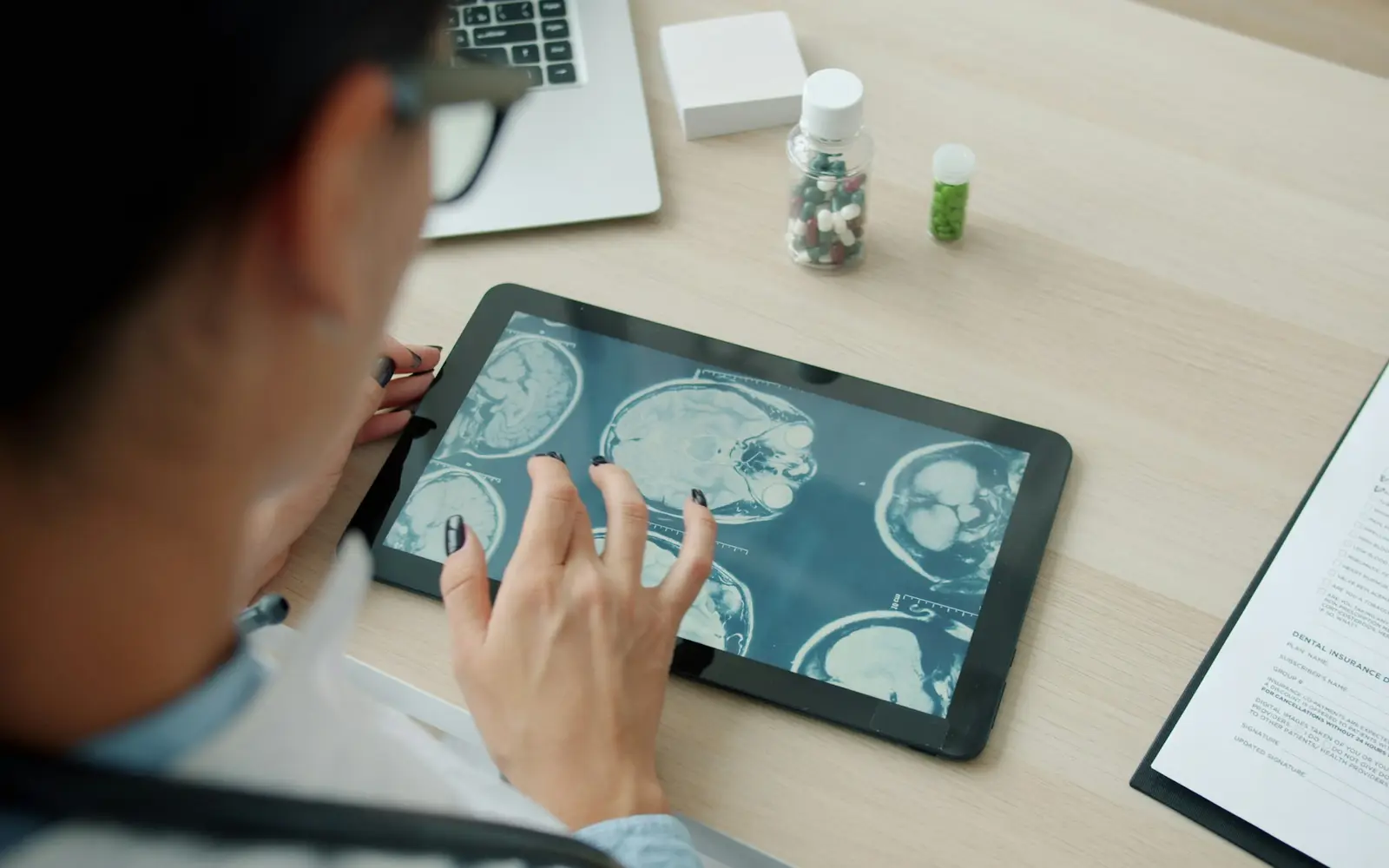
Send both the written report and the images. The report tells the doctor what the radiologist saw. The images let the oncologist and the radiation team see it for themselves and plan around it, which matters a great deal for radiation therapy.
Images should be in DICOM format, the international standard for medical images. Imaging centres usually hand them over on a CD or DVD, or through a download link. Ask for "the full study in DICOM", not a PDF or a few printed photos.
Blood work and general health
Recent blood tests help the team judge if your body is ready for surgery or chemotherapy:
- full blood count
- kidney and liver function
- blood sugar or HbA1c if you have diabetes
- tumour markers if your doctor ordered them (for example CA 15-3, CEA or PSA)
Also tell us about other conditions such as heart disease, diabetes or past strokes, and list every medicine you take.
Your treatment history
If you have already had treatment, the new team needs to know exactly what was done. Send:
- discharge summaries and operation notes
- chemotherapy records with drug names, doses, number of cycles and dates
- radiation records with the area treated, total dose and dates
- the most recent scans after treatment, so the team can see how the cancer responded
Radiation history is easy to forget and very important. Tissue that has already been treated can only take a limited further dose, so it affects what the radiation team can offer.
How to send large imaging files
A PET-CT study can be hundreds of megabytes, far too big for email or for the upload box on our form. These are the options that work:
- Upload the DICOM folder from the CD to a cloud storage service (such as Google Drive or WeTransfer) and send us the link. Copy the whole folder, not single images.
- If the imaging centre has an online portal, ask them for a shareable link to the study.
- If neither is possible, tell your coordinator. We will work out another way with you.
Small documents such as reports and blood tests can go straight through the upload on our quote form, or on WhatsApp. Name each file clearly, for example "2026-08 PET-CT report.pdf".
Why missing documents change the quote
Hospitals quote for the plan they expect to deliver. If they have no IHC result, they may quote for tests after you arrive and a range of possible drugs. If the scans are old, they may add a fresh PET-CT. If the treatment history is unclear, they may allow for more days before treatment begins. Each gap widens the quote or changes it after you arrive.
When the file is complete, partner hospitals quote on the same facts, and you can compare them fairly before you choose. Gather what you can this week, send it over, and we reply within 24 hours with anything still missing.